
Why Car Insurance Costs More in Oregon
Free to compare
Oregon Builds a Higher Coverage Floor
You're shopping coverage for two or three vehicles and Oregon quotes land consistently higher than what friends in neighboring states describe. The gap isn't carrier pricing—it's Oregon's mandatory coverage structure. The state requires four separate coverages before you add collision, comprehensive, or any optional protection: bodily injury liability ($25,000 per person, $50,000 per accident), property damage liability ($20,000), personal injury protection (PIP), and uninsured motorist coverage. Most states stop at the first two. Oregon adds two more to the baseline, and every vehicle on your policy carries that four-coverage floor.
This isn't a surcharge or a filing penalty. It's the state's structural answer to a high uninsured-driver rate and a no-fault injury system. When 14.7% of Oregon motorists drive without insurance—nearly one in seven—the mandatory uninsured-motorist coverage protects you when the other driver can't pay. PIP covers your own medical bills and lost wages regardless of fault, reducing litigation and speeding injury claims. Both coverages cost money, and both sit in the base premium before you choose a deductible or add a second car.
“Oregon requires four coverages before optional add-ons—liability, PIP, and uninsured motorist—and every vehicle on your policy carries that floor.”

See What Oregon Drivers Pay for the Coverage They Need
Get My Oregon Car Insurance Quote14.7%
Oregon Uninsured Motorist Rate
Nearly one in seven Oregon drivers operates without insurance, well above the national median. The mandatory uninsured-motorist coverage requirement reflects this gap—when the at-fault driver has no policy, your UM coverage pays your claim.
Insurance Information Institute, 2023
Four Mandatory Coverages, Not Two
Most drivers arrive expecting to pay for liability only—bodily injury and property damage. That's the model in states like California, Texas, and Florida (outside PIP states). Oregon operates differently. The state treats personal injury protection and uninsured motorist as mandatory, not optional. You cannot decline them. Every policy written in Oregon includes all four coverages, and the premium reflects that.
PIP pays your medical bills, rehabilitation costs, and a portion of lost wages after a crash, regardless of who caused it. The coverage eliminates the need to wait for a liability settlement before treatment begins. Uninsured motorist coverage steps in when the at-fault driver has no insurance or insufficient limits—your carrier pays your bodily injury claim as if the other driver had carried adequate liability. Both coverages add cost to the base premium, but both also close gaps that liability alone leaves open.
When you add a second or third vehicle to your policy, each vehicle carries the same four-coverage floor. The multi-car discount reduces the per-vehicle cost, but it applies to a higher starting point than it would in a liability-only state. A household insuring three cars in Oregon pays for twelve mandatory coverages (four per vehicle) before adding collision, comprehensive, or higher liability limits.
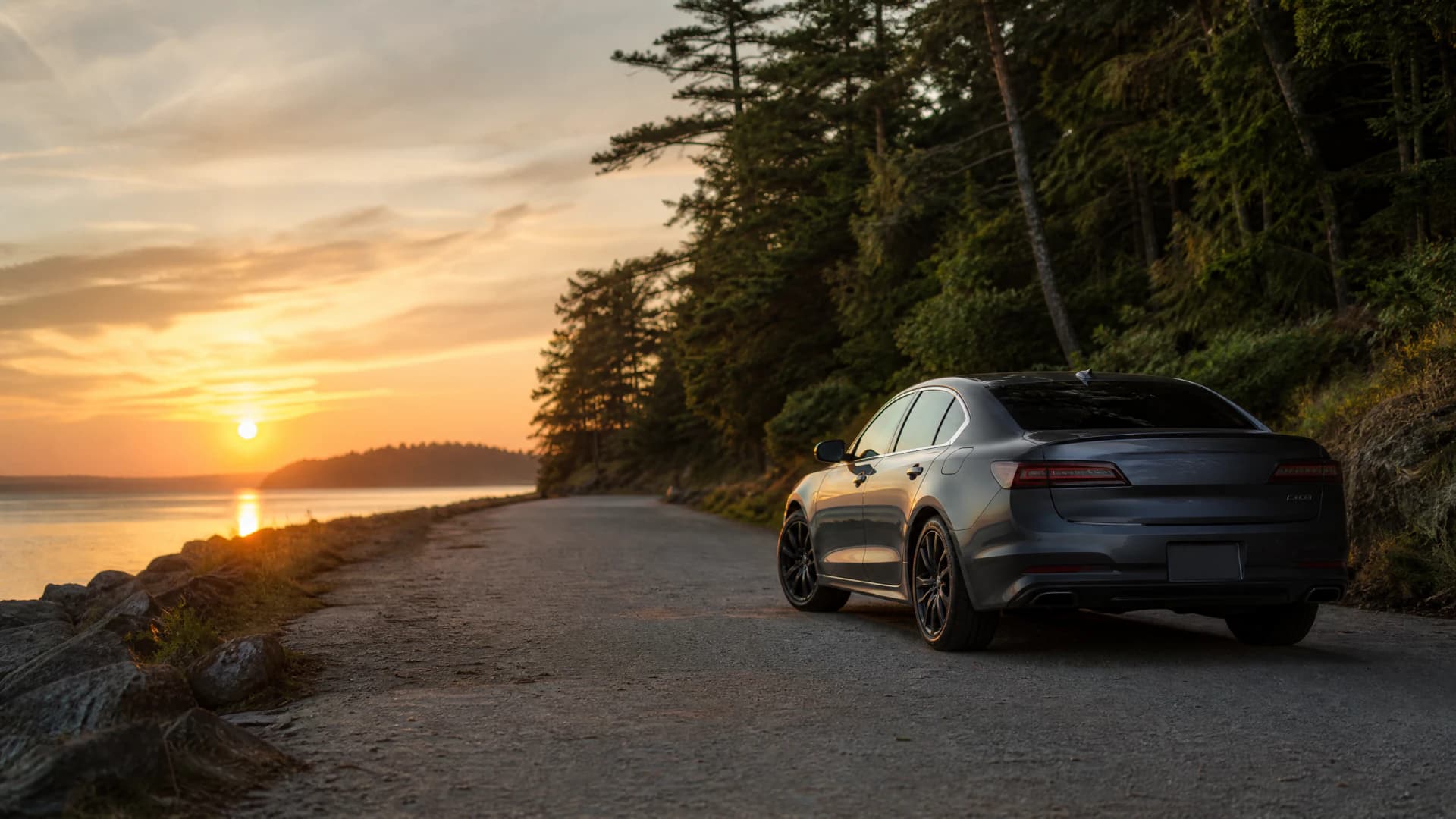
Oregon's mandatory PIP and uninsured-motorist requirements mean every vehicle on your policy starts with four coverages, not two—the base premium reflects that before any optional coverage.



How Adding Vehicles Changes the Math
The multi-car discount reduces per-vehicle cost, but it doesn't eliminate the four-coverage floor. When you add a second vehicle to an existing Oregon policy, the carrier applies the discount to the new vehicle's premium and often re-rates the first vehicle downward as well. The combined premium for two vehicles typically runs lower than twice the single-vehicle rate—but both vehicles still carry liability, PIP, uninsured motorist, and any optional coverages you selected.
Adding a third or fourth vehicle continues the pattern. The discount deepens with each additional vehicle, but each vehicle's base premium still reflects Oregon's mandatory coverage structure. A household insuring four cars pays for sixteen mandatory coverages before collision, comprehensive, or higher liability limits enter the equation. Carriers that specialize in multi-vehicle households—Progressive, State Farm, and Geico among them—often deliver better combined rates than carriers optimized for single-vehicle policies, because their base pricing anticipates the multi-car structure from the start.
If your household includes a teen driver or a driver with a recent violation, that driver's risk profile affects every vehicle on the policy. Oregon carriers assign the highest-risk driver to the highest-value vehicle for rating purposes, then apply that combined risk to the policy premium. A teen driver adding a vehicle of their own doesn't isolate the risk—the entire policy re-rates to reflect the new driver and the new vehicle together.
$25,000 / $50,000 / $20,000
Oregon Minimum Liability Limits
Oregon requires $25,000 bodily injury per person, $50,000 per accident, and $20,000 property damage. These minimums sit below the cost of many serious crashes—most multi-vehicle households carry higher limits to protect household assets.
Oregon Department of Transportation, Driver and Motor Vehicle Services Division
Why Minimum Coverage Still Costs More Here
Even a minimum-coverage policy in Oregon costs more than minimum coverage in a liability-only state, because Oregon's minimum includes PIP and uninsured motorist. An Oregon driver buying minimum coverage pays for liability at $25,000/$50,000/$20,000 plus mandatory PIP and mandatory uninsured motorist. The Oregon minimum is structurally more expensive because it includes more coverages.
Higher limits add cost, but the mandatory PIP and uninsured-motorist coverages remain in the base regardless of how high you raise liability.
Compare Carriers Writing Your Household
Oregon's mandatory coverage structure is the same across all carriers—every policy includes liability, PIP, and uninsured motorist—but carrier pricing for those coverages varies widely. A household insuring two or three vehicles should compare quotes from at least three carriers writing multi-car policies in Oregon: State Farm, Geico, Progressive, Allstate, USAA (if eligible), Farmers, Nationwide, or Travelers. Each carrier prices the mandatory coverages differently, and each applies the multi-car discount to a different base rate.
Request quotes with identical coverage limits and deductibles across carriers so you're comparing the same protection. Specify the number of vehicles, the drivers in your household, and the garaging address—all three affect the premium. A carrier quoting one vehicle may not offer the best rate for three. The goal is to find the carrier whose base pricing and multi-car discount structure deliver the lowest combined premium for your household's specific vehicle count and risk profile. Oregon's higher mandatory coverage floor doesn't change, but the carrier you choose determines how much you pay for it.
What Drives Oregon Premium Differences
Carriers writing Oregon policies—State Farm, Geico, Progressive, Allstate, USAA, Farmers, and others—price the mandatory coverages differently. One carrier may price PIP aggressively and uninsured motorist conservatively; another reverses the emphasis. When you're insuring multiple vehicles, a carrier whose base rates favor multi-car households can deliver a lower combined premium even if its single-vehicle quote looks average. The multi-car discount percentage matters less than the base rate it applies to—a smaller discount on a lower base often beats a larger discount on a higher one.
Your garaging address, the vehicles you're insuring, and your household's driving records all feed into the calculation. Urban garaging addresses in Portland or Eugene face higher theft and collision frequency than rural counties, raising comprehensive and collision premiums. Older vehicles with lower replacement costs reduce those premiums but still carry the same mandatory liability, PIP, and uninsured-motorist floor. A household with one recent ticket or claim sees a rate increase across every vehicle on the policy when the policy renews, because Oregon carriers re-rate the entire policy at renewal, not just the vehicle involved in the incident.
Get Your Free Quote
Get My Oregon Car Insurance QuoteFrequently Asked Questions
Why does Oregon require uninsured motorist coverage?
Oregon mandates uninsured motorist coverage because 14.7% of drivers operate without insurance. When an uninsured driver causes a crash, your UM coverage pays your bodily injury claim as if the at-fault driver had carried liability. Without it, you'd file a lawsuit to recover damages from someone with no assets.
Can I decline PIP coverage in Oregon?
No. Oregon requires personal injury protection on every auto policy. PIP pays your medical bills and a portion of lost wages after a crash, regardless of fault. You cannot waive it or remove it from your policy.
Does the multi-car discount apply to mandatory coverages?
Yes. The multi-car discount reduces the per-vehicle premium across all coverages, including mandatory liability, PIP, and uninsured motorist. The discount lowers your total cost, but each vehicle still carries Oregon's four-coverage floor before optional coverages.
How does adding a third vehicle change my Oregon premium?
Adding a third vehicle applies the multi-car discount to the new vehicle and often deepens the discount on existing vehicles. The combined premium for three vehicles typically costs less than three times a single-vehicle rate, but all three vehicles carry the mandatory liability, PIP, and uninsured-motorist coverages.
Do all Oregon carriers price mandatory coverages the same?
No. Every carrier must include liability, PIP, and uninsured motorist, but each prices those coverages differently. State Farm, Geico, Progressive, and other carriers writing Oregon policies apply different base rates and multi-car discount structures—compare quotes to find the lowest combined premium for your household.