
Finding Cheap Car Insurance — Oregon
Free to compare
What Oregon Requires Before You Can Compare Rates
Oregon law mandates four separate coverage components: $25,000 bodily injury per person, $50,000 per accident, $20,000 property damage, plus uninsured motorist coverage and personal injury protection. Every policy you compare must include all four. The cheapest policy is the one that delivers these four components at the lowest combined premium, not the one advertising the lowest liability-only rate.
When you manage multiple vehicles, each car on your policy carries the same liability limits but adds its own collision, comprehensive, and physical-damage premium. The multi-vehicle discount applies to the combined policy premium, but the size of that discount and the base rate it applies to vary by carrier. A smaller discount on a lower base rate often beats a larger discount on a higher one.
“The cheapest Oregon policy delivers all four mandatory components at the lowest combined premium, not the lowest liability-only rate.”

See What Oregon Drivers Pay for the Coverage They Need
Get My Oregon Car Insurance Quote$25,000 / $50,000 / $20,000
Oregon Minimum Liability Limits
Oregon Revised Code requires $25,000 bodily injury per person, $50,000 per accident, and $20,000 property damage. Uninsured motorist and personal injury protection are also mandatory, making Oregon's minimum coverage more comprehensive than many states.
Oregon Revised Code, Driver and Motor Vehicle Services Division
Why Oregon Policies Cost More Than Minimum-Limit States
Oregon is not a minimum-liability-only state. The mandatory uninsured motorist and PIP requirements mean every compliant policy includes injury protection for you and your passengers, not just liability coverage for others. This structure raises the floor: the cheapest Oregon policy costs more than the cheapest policy in a state that requires only liability.
The uninsured motorist requirement exists because 14.7% of Oregon drivers carry no insurance. When an uninsured driver hits you, your uninsured motorist coverage pays your injury costs up to your policy limits. PIP covers medical expenses and lost wages for you and your passengers regardless of fault. Both are mandatory, and both add cost to every policy.
Carriers price these components differently. One carrier may offer competitive liability rates but expensive PIP; another may price PIP lower but charge more for uninsured motorist coverage. Comparing only the liability premium misses half the cost structure.
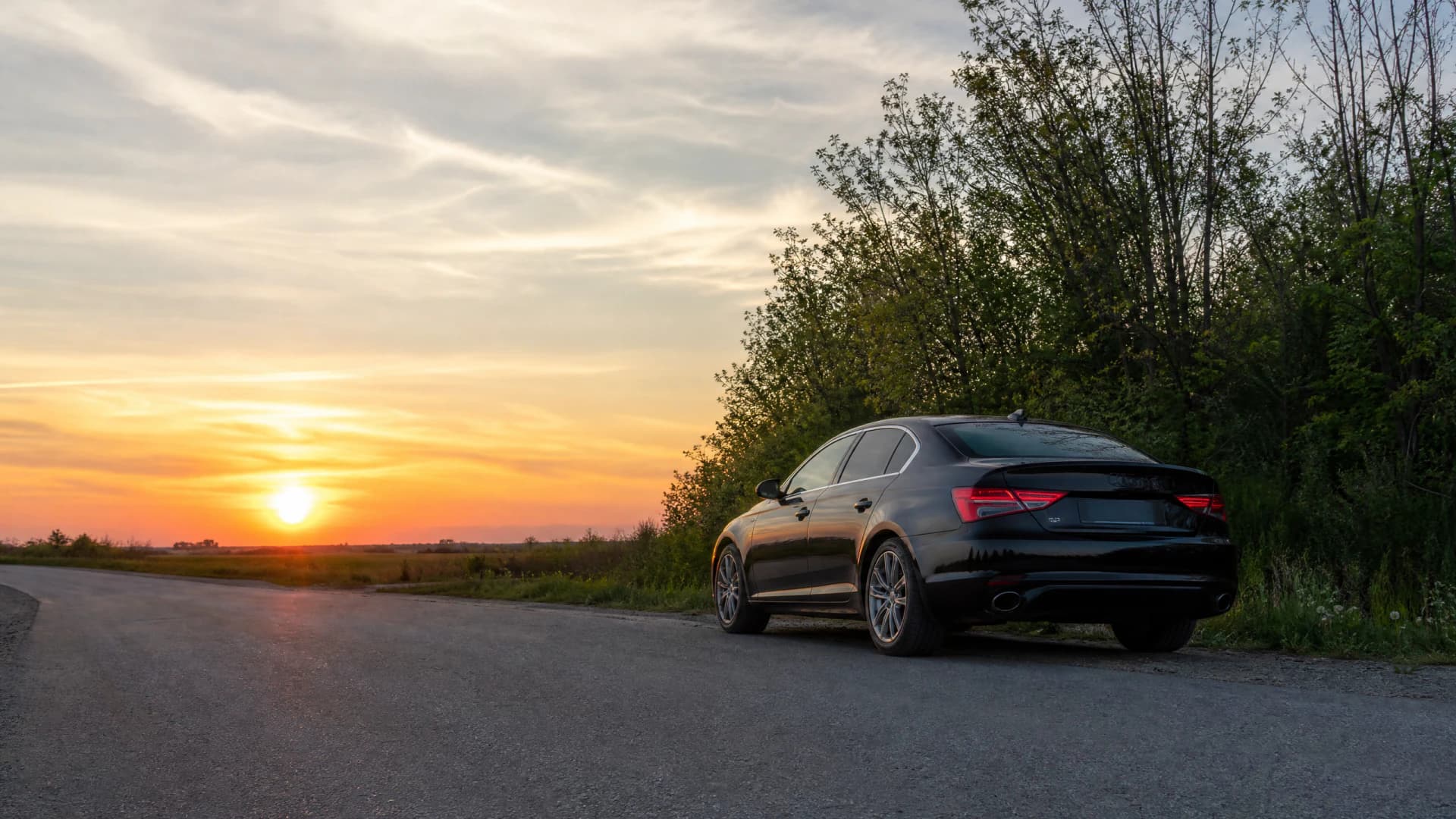
The cheapest Oregon policy is the one with the lowest combined premium across all four mandatory components, not the one advertising the lowest liability rate.



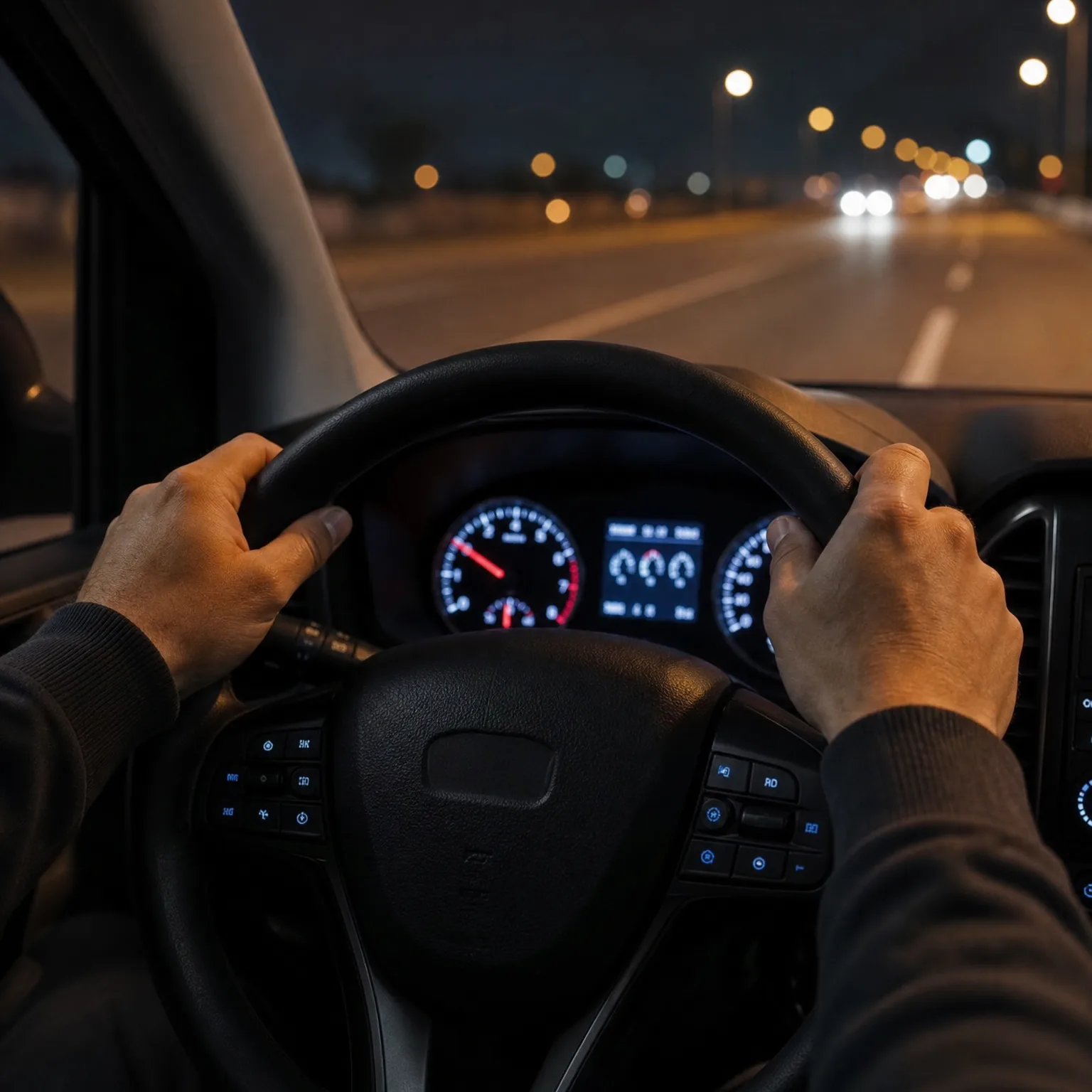



What Drives Your Premium Beyond the Minimum Limits
Oregon law allows carriers to price policies based on driving record, age, credit history, vehicle type, annual mileage, and garaging location. A clean driving record lowers your premium; a DUI, at-fault accident, or suspended license raises it. Carriers treat violations differently: one may surcharge a speeding ticket for three years, another for five.
Credit-based insurance scoring is legal in Oregon. Carriers use your credit history to predict claim likelihood, and a lower credit score typically raises your premium. Vehicle type matters: a car with high theft rates or expensive repair costs costs more to insure than a low-theft, low-repair-cost model. Annual mileage affects risk: a car driven 5,000 miles per year costs less to insure than one driven 20,000 miles.
Garaging location determines your base rate. Portland, Eugene, and Salem have higher claim frequencies and theft rates than rural counties, and carriers price policies accordingly. Moving from a high-claim ZIP code to a low-claim one can lower your premium even if nothing else changes.
20+ carriers
Oregon Auto Insurance Market
Oregon's competitive carrier market includes State Farm, GEICO, Progressive, Allstate, Farmers, Nationwide, USAA, Travelers, and more than a dozen regional and non-standard carriers. Each prices mandatory coverages differently, and comparing multiple carriers is the only way to find the lowest compliant rate.
Oregon Division of Financial Regulation carrier roster

When Raising Liability Limits Costs Less Than You Expect
Oregon's minimum $25,000 per person bodily injury limit covers medical bills, lost wages, and pain-and-suffering damages for one injured person. A serious injury often exceeds $25,000, leaving you personally liable for the difference.
Higher liability limits protect your assets if you cause a serious accident. If you own a home, have retirement savings, or earn a steady income, minimum limits leave those assets exposed to lawsuit judgments. Carriers price higher limits as incremental additions to the base premium, not as separate policies.
Compare Carriers That Write Your Household's Vehicles
Not every carrier writes every vehicle type or every driver profile. Non-standard carriers specialize in high-risk drivers and older vehicles; preferred carriers write clean-record drivers with newer cars. If your household includes a teen driver, a vehicle with a salvage title, or a driver with a recent violation, confirm the carrier writes that profile before requesting a quote.
Request quotes from at least three carriers that write multi-vehicle policies in Oregon. Provide identical coverage limits and deductibles to each so you can compare premiums directly. The lowest quote is the one that delivers Oregon's mandatory coverages and your chosen liability limits at the lowest combined cost for every vehicle on your policy. Confirm the multi-vehicle discount applies, verify the garaging address matches every vehicle's actual location, and check that every driver in your household is listed correctly. A quote based on incomplete or inaccurate information produces a premium that changes when you bind the policy.
How to Compare Carriers Writing Multi-Vehicle Policies
Start by listing every vehicle you need to insure: make, model, year, and garaging address. Carriers price each vehicle separately based on theft rates, repair costs, and claim history for that model in your ZIP code. A 2015 Honda Accord garaged in Portland prices differently than the same car garaged in Bend, and differently again from a 2020 Ford F-150 at the same address. Request quotes that include liability, uninsured motorist, PIP, and any physical-damage coverage you want for each vehicle.
The multi-vehicle discount applies when every car sits on the same policy. Most carriers require all vehicles to share a garaging address, though some allow different addresses if the vehicles belong to the same household. Confirm the discount applies before finalizing: adding a second or third vehicle without the discount often costs more than insuring each car separately.
Get Your Free Quote
Get My Oregon Car Insurance QuoteFrequently Asked Questions
What is the cheapest car insurance in Oregon?
The cheapest car insurance in Oregon is the policy that delivers the state's four mandatory coverages — liability, uninsured motorist, and PIP — at the lowest combined premium for your household's vehicles and drivers. Rates vary by carrier, driving record, vehicle type, and location, so comparing quotes from multiple carriers is the only way to find the lowest rate.
Does Oregon require uninsured motorist coverage?
Yes. Oregon law requires uninsured motorist coverage on every auto insurance policy. This coverage pays your injury costs when an uninsured driver causes an accident. Oregon's uninsured motorist rate is 14.7%, making this coverage a critical component of every compliant policy.
How much does car insurance cost in Oregon for multiple vehicles?
Cost depends on the number of vehicles, their make and model, your driving record, your location, and the carrier you choose. Most carriers offer multi-vehicle discounts when every car sits on the same policy, but the discount size and the base rate it applies to vary by carrier. Comparing quotes from multiple carriers is the only way to determine your household's actual cost.
Can I get car insurance in Oregon with a suspended license?
Some non-standard carriers write policies for drivers with suspended licenses, but rates are higher and coverage options are limited. If you need a hardship permit to drive during suspension, you must file an SR-22 certificate and maintain continuous coverage for three years. Not all carriers file SR-22 certificates, so confirm the carrier writes suspended-license policies before requesting a quote.
What is the multi-vehicle discount in Oregon?
The multi-vehicle discount is a rate reduction carriers offer when you insure two or more vehicles on the same policy. The discount applies to the combined policy premium, but the size varies by carrier. Most carriers require all vehicles to share a garaging address and belong to the same household. Confirm the discount applies before binding the policy.
Does Oregon use credit scores to set car insurance rates?
Yes. Oregon law allows carriers to use credit-based insurance scores when pricing policies. A lower credit score typically raises your premium because carriers use credit history to predict claim likelihood. Not all carriers weight credit scores equally, so comparing quotes from multiple carriers can reveal significant rate differences based on how each prices credit risk.