
Monthly Car Insurance Cost — Oregon
Free to compare
What Oregon Drivers Pay Across Multiple Vehicles
You're adding a second or third car to your Oregon policy and trying to forecast what the combined premium will look like each month. The state's mandatory coverage stack — liability, personal injury protection, and uninsured motorist coverage — means every vehicle you add carries more than just the basic liability minimums most drivers think about.
Oregon requires $25,000 per person and $50,000 per accident in bodily injury liability, $20,000 in property damage liability, plus mandatory PIP and uninsured motorist coverage on every vehicle. When you're insuring multiple cars on one policy, each vehicle must meet these requirements, and the way carriers price that stack varies significantly across the 25 carriers writing auto policies in Oregon.
“Oregon's mandatory PIP and uninsured motorist coverage mean every vehicle you add carries more than just liability minimums.”

See What Oregon Drivers Pay for the Coverage They Need
Get My Oregon Car Insurance Quote$25,000/$50,000/$20,000
Oregon Minimum Liability Limits
Every vehicle on your policy must carry at least $25,000 per person, $50,000 per accident in bodily injury liability, and $20,000 in property damage liability. PIP and uninsured motorist coverage are mandatory on top of these minimums.
Oregon Department of Motor Vehicles
The Mandatory Coverage Stack That Drives Oregon Premiums
Oregon is one of the few states that mandates both PIP and uninsured motorist coverage on every auto policy. PIP covers medical expenses and lost wages for you and your passengers regardless of fault. Uninsured motorist coverage protects you when the at-fault driver has no insurance — a real concern in a state where 14.7% of motorists are uninsured.
When you add a second or third vehicle to your policy, each car carries this full mandatory stack. The multi-car discount applies to the total premium, but the base you're discounting from is higher than in states that require only liability. Carriers price PIP and uninsured motorist coverage differently, so the same household with three cars can see wide premium variation across carriers even when buying identical liability limits.
The state's no-fault PIP system means your own carrier pays your medical bills after a crash, regardless of who caused it. That shifts risk to the carrier and raises the base premium compared to tort states. When you're comparing quotes for multiple vehicles, the PIP component is often the second-largest line item after liability.
Oregon also allows carriers to use credit-based insurance scores in pricing, which affects how much the multi-car discount saves you. A household with strong credit may see a larger percentage discount on a multi-vehicle policy than a household with weaker credit, even when both are insuring the same cars.
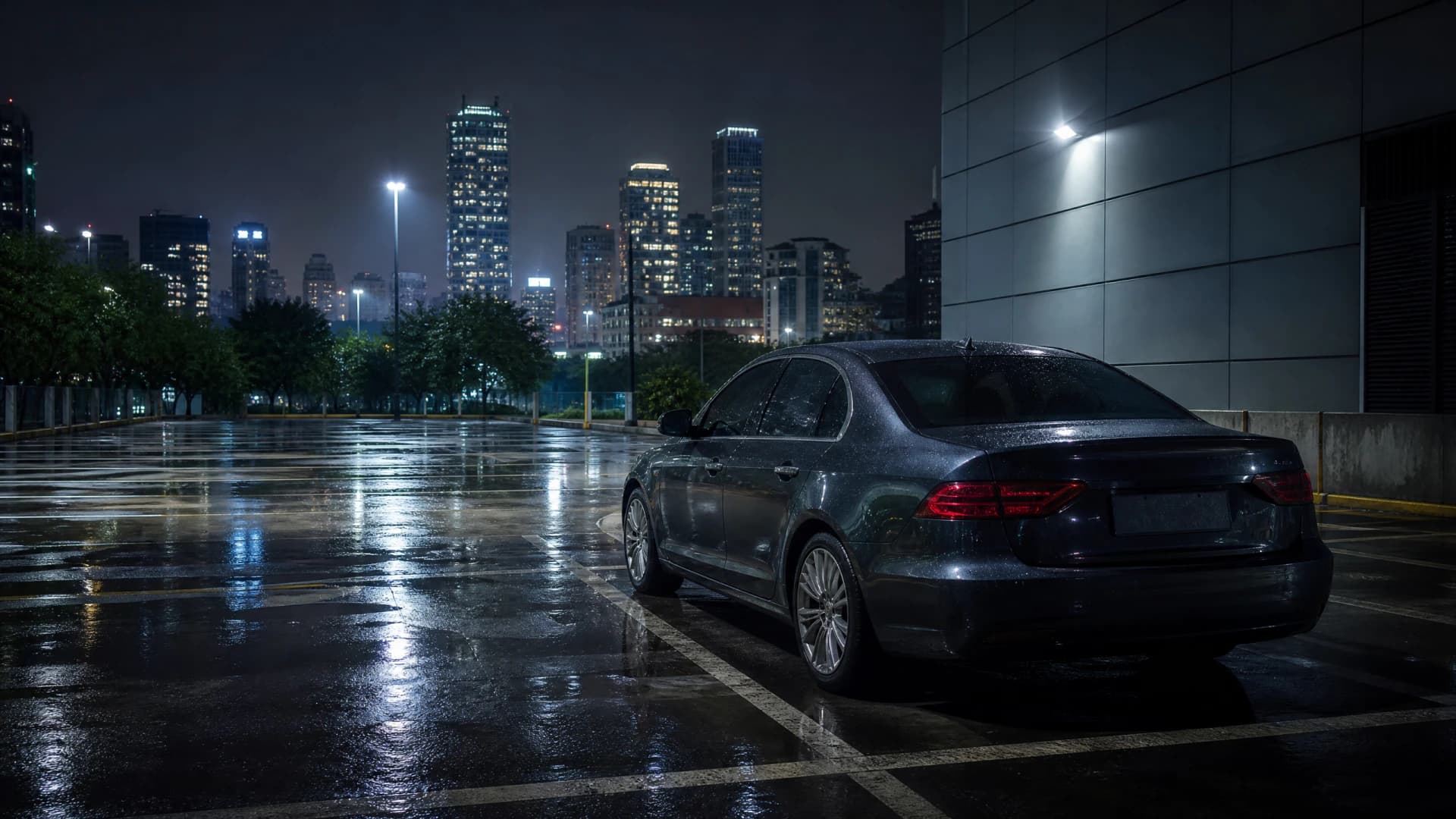
Oregon's mandatory PIP and uninsured motorist coverage requirements mean the minimum-coverage premium is higher than liability-only states, and every vehicle you add carries that full stack.




What Drives Premium Differences Across Your Vehicles
Oregon carriers price each vehicle on your policy based on its own risk profile: the car's year, make, model, safety features, theft rate, and repair cost. A 2018 sedan and a 2022 SUV on the same policy will carry different premiums even when both have identical liability and PIP limits. The multi-car discount applies to the combined total, but the underlying per-vehicle base varies.
Where you garage each vehicle matters. Oregon carriers use ZIP code and sometimes street address to price collision and comprehensive coverage, because theft rates and crash frequency vary by neighborhood. If you garage one car in Portland and another in a rural county, the Portland-garaged vehicle will typically carry a higher comprehensive premium due to the higher theft rate. The state's 2024 motor vehicle theft rate was 296.5 per 100,000 population, concentrated in urban areas.
Driver assignment also affects the premium. Carriers ask which household member is the primary driver of each vehicle, and they price that vehicle based on that driver's age, driving record, and claims history. If you assign your teenager to the oldest, safest car on the policy, that vehicle's premium will still reflect the teen's higher risk profile. Some carriers let you exclude a driver from a specific vehicle to lower the premium, but that driver then has no coverage when driving that car.
Oregon allows carriers to offer usage-based insurance programs that track mileage and driving behavior through a mobile app or plug-in device. When you're insuring multiple vehicles, enrolling all of them in a usage-based program can lower the combined premium if your household drives fewer miles or drives safely. The discount applies per vehicle based on each car's tracked data, so a rarely-driven third car can earn a larger discount than the daily commuter.
14.7%
Oregon Uninsured Motorist Rate
Nearly one in seven Oregon drivers has no insurance, which is why the state mandates uninsured motorist coverage on every policy. That coverage protects you when an at-fault driver cannot pay for the damage they caused.
Insurance Information Institute, 2023

Structuring Coverage Across Multiple Vehicles
Oregon requires every vehicle on your policy to carry the same liability limits. If you want higher liability limits on one vehicle, you must raise the limits on all vehicles, which increases the total premium. Some households split vehicles across two policies to avoid this, but that forfeits the multi-car discount.
Collision and comprehensive coverage are optional in Oregon, and you can choose different deductibles for each vehicle. A $500 deductible on your newer car and a $1,000 deductible on your older car is a common structure. Dropping collision and comprehensive entirely on an older, low-value vehicle lowers the premium without affecting the mandatory liability, PIP, and uninsured motorist coverage that vehicle must still carry.
Compare Carriers That Write Multi-Vehicle Policies in Oregon
Twenty-five carriers write auto insurance in Oregon, and their multi-vehicle pricing varies widely. State Farm, Geico, Progressive, Allstate, and USAA all write multi-car policies in the state, but their base rates, discount structures, and PIP pricing differ. Request quotes from at least three carriers and compare the total premium for all vehicles combined, not just the per-vehicle breakdown. The carrier with the lowest premium for one car may not be the lowest for three cars on the same policy.
How Carriers Price the Multi-Vehicle Stack
Most carriers apply the multi-car discount to the total premium after calculating each vehicle's base cost. That base includes liability, PIP, uninsured motorist, and any optional coverages like collision or comprehensive. The discount typically ranges from a modest percentage to a more substantial reduction, but the actual dollar savings depend on the base premium before the discount applies. A carrier with a lower base rate and a smaller discount can beat a carrier with a higher base rate and a larger discount.
Oregon carriers also vary in how they price PIP across multiple vehicles. Some carriers use a per-person PIP structure, where the coverage follows the person rather than the vehicle. Others use a per-vehicle structure, where each car carries its own PIP limit. When you're insuring three or four vehicles with multiple household drivers, the per-person structure can save money because you're not stacking PIP limits across every car. Ask each carrier which PIP structure they use before comparing quotes.
Get Your Free Quote
Get My Oregon Car Insurance QuoteFrequently Asked Questions
Does Oregon require the same liability limits on every vehicle on my policy?
Yes. Oregon requires every vehicle on your policy to carry the same liability limits. You cannot insure one car at the state minimum and another at higher limits on the same policy. If you want higher liability on one vehicle, you must raise the limits on all vehicles, which increases the total premium.
Can I drop PIP coverage on one of my vehicles to lower the premium?
No. Oregon mandates PIP coverage on every vehicle on your policy. You cannot drop it or waive it, even if you have health insurance or are insuring an older car you rarely drive. Every vehicle must carry PIP and uninsured motorist coverage in addition to liability.
How does the multi-car discount work in Oregon?
The multi-car discount applies to the total premium after each vehicle's base cost is calculated. The discount percentage varies by carrier, and the actual dollar savings depend on the base premium before the discount. A carrier with a lower base rate and smaller discount can cost less than a carrier with a higher base rate and larger discount.
Can I insure vehicles garaged at different addresses on one policy?
Yes, but each vehicle's premium will reflect its own garaging address. Oregon carriers use ZIP code and sometimes street address to price collision and comprehensive coverage, because theft and crash rates vary by location. A car garaged in Portland will typically cost more to insure than one garaged in a rural county.
What happens if I add a third vehicle mid-term to my Oregon policy?
Adding a vehicle mid-term re-rates your entire policy, not just the new car. The carrier recalculates the premium for all vehicles based on the new multi-car discount structure, and you pay the prorated difference for the remainder of the term. The new vehicle must meet Oregon's mandatory coverage requirements from the day you take possession.
Can I drop collision coverage on an older car and keep it on my newer cars?
Yes. Collision and comprehensive coverage are optional in Oregon, and you can choose different coverage and deductibles for each vehicle on your policy. Dropping collision and comprehensive on an older, low-value car lowers the premium without affecting the mandatory liability, PIP, and uninsured motorist coverage that vehicle must still carry.