
Liability vs Full Coverage — Oregon
Free to compare
The Multi-Vehicle Coverage Decision
You own two, three, or four vehicles in Oregon. One is a daily commuter, another sits in the driveway most of the week, maybe a third belongs to a teenager who just started driving. Every vehicle on your policy carries the same coverage right now — either minimum liability across the board or full coverage on everything — because that is how the carrier set it up when you added each car. You are paying the same premium structure for a rarely-driven sedan as you are for the vehicle you put 15,000 miles on every year.
The structural reality: Oregon law requires liability coverage on every registered vehicle, but it does not require collision or comprehensive. You can carry different coverage levels on different vehicles within the same policy. The decision comes down to replacement cost, how you use each vehicle, and what happens if one is totaled.
“You can carry different coverage levels on different vehicles within the same policy — Oregon law requires liability on every car, but not collision or comprehensive.”

See What Oregon Drivers Pay for the Coverage They Need
Get My Oregon Car Insurance Quote$25,000/$50,000/$20,000
Oregon Minimum Liability Limits
Oregon requires $25,000 per person for bodily injury, $50,000 per accident, and $20,000 for property damage. Personal injury protection and uninsured motorist coverage are also mandatory. These minimums apply to every vehicle you register.
Oregon Department of Motor Vehicles
What Liability-Only Actually Covers Across Multiple Vehicles
Liability-only means each vehicle carries the state-required minimums: bodily injury and property damage coverage that pays the other driver if you cause a crash, plus Oregon's mandatory personal injury protection and uninsured motorist coverage. It does not pay to repair or replace your own vehicle. If you total a car carrying liability-only, the carrier pays nothing toward your vehicle. You walk away with whatever salvage value remains.
Full coverage adds collision and comprehensive. Collision pays to repair or replace your vehicle after a crash you cause or a single-vehicle accident. Comprehensive covers theft, vandalism, weather damage, and animal strikes. Both pay up to the vehicle's actual cash value, minus your deductible. The question for a multi-vehicle household: which cars are worth insuring for their own replacement cost, and which are you prepared to replace out of pocket if they are totaled.
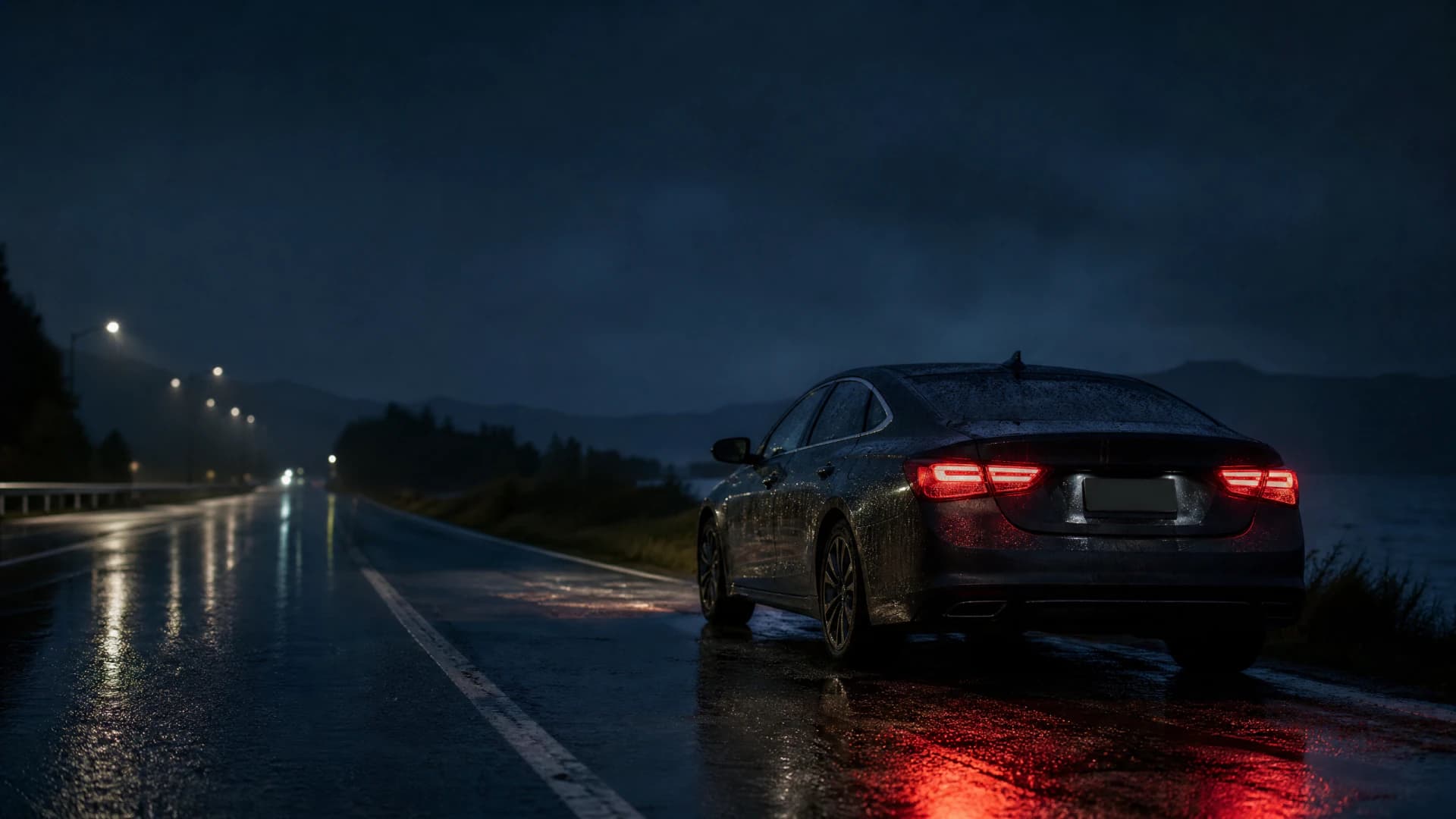
A vehicle financed or leased must carry full coverage until the loan is paid off. The lender requires it. Liability-only is an option only for vehicles you own outright.
Related Articles




When Liability-Only Works for a Vehicle
Liability-only makes sense when the vehicle's value has dropped below the point where paying for collision and comprehensive is worth the annual cost. The math does not work.
Liability-only also works for a vehicle you drive infrequently. A third car that sits in the driveway most of the week, used only for errands or as a backup when another vehicle is in the shop, presents lower crash risk. If it is totaled, you still have two other vehicles to cover household transportation while you replace it. The financial disruption is smaller. Dropping to liability-only on that vehicle cuts your total policy premium without leaving your household stranded.
The threshold is not universal. The question is whether you can replace the vehicle out of pocket if it is totaled, and whether losing it creates an immediate transportation crisis. If the answer to both is no, keep full coverage. If you can cover the loss and the vehicle is not critical to daily function, liability-only is the lower-cost choice.
14.7%
Oregon Uninsured Motorist Rate
Nearly 15% of Oregon drivers carry no insurance. Uninsured motorist coverage is mandatory in Oregon and protects you when an at-fault driver cannot pay. It applies across every vehicle on your policy, regardless of whether you carry collision on that vehicle.
Insurance Information Institute, 2023
How to Structure Coverage Across Your Vehicles
Start with the vehicle you drive most and depend on for work or daily obligations. That vehicle carries full coverage. If it is totaled, you need it replaced immediately, and full coverage makes that possible. Next, evaluate the second vehicle. If it is also driven daily by another household member — a spouse commuting separately, a teenager driving to school — and its value exceeds what you can replace out of pocket, it also carries full coverage.
The third or fourth vehicle is where the decision splits. Drop it to liability-only. A vehicle driven daily by a teen driver, even if its value is modest, may still warrant full coverage if losing it disrupts the teen's ability to get to school or work and you cannot immediately replace it. The coverage decision follows use pattern and replacement urgency, not just vehicle value.
Compare Carriers That Write Multi-Vehicle Policies in Oregon
Oregon households insuring multiple vehicles can compare coverage options and premium structures across carriers writing in the state. Allstate, American Family, Farmers, Geico, Liberty Mutual, Progressive, State Farm, and USAA all write multi-vehicle policies in Oregon and allow different coverage levels on different vehicles within the same policy. Request quotes that reflect your intended coverage structure — full coverage on the primary vehicles, liability-only on the others — so you see the actual premium difference. Carriers price multi-vehicle policies differently; one may charge significantly less for the same coverage mix across your household's cars. Use the comparison tool on this site to see which carriers write your coverage structure and request quotes that match your household's vehicle count and use patterns.
When Full Coverage Makes Sense for a Vehicle
A totaled vehicle means either paying cash for another one immediately or going without transportation while you save. For a household juggling multiple drivers and schedules, losing one vehicle disrupts everyone. Full coverage keeps that vehicle in service after a crash.
If the vehicle is financed, leased, or worth more than you have in savings, full coverage is the only realistic option. You still owe the loan balance, and now you need another vehicle. Full coverage pays the actual cash value, clears the loan, and gets you back on the road.
Get Your Free Quote
Get My Oregon Car Insurance QuoteFrequently Asked Questions
Can I carry full coverage on one vehicle and liability-only on another in Oregon?
Yes. Oregon allows different coverage levels on different vehicles within the same policy. You can carry full coverage on your primary vehicle and drop to liability-only on a second or third car. The carrier prices each vehicle separately based on its coverage level.
What happens if I total a vehicle that only has liability coverage?
The carrier pays nothing toward your vehicle. Liability coverage pays the other driver if you cause a crash, but it does not cover your own vehicle's damage. You receive only the salvage value, typically a few hundred dollars, and must replace the vehicle out of pocket.
Does Oregon require collision and comprehensive coverage?
No. Oregon requires liability coverage ($25,000/$50,000/$20,000), personal injury protection, and uninsured motorist coverage. Collision and comprehensive are optional unless your vehicle is financed or leased, in which case the lender requires them until the loan is paid off.
How much does full coverage cost compared to liability-only in Oregon?
The difference depends on the vehicle's value, your driving record, and the deductible you choose. Collision and comprehensive premiums rise with vehicle value. Compare quotes from multiple carriers to see the premium difference for your specific vehicles.
Probably not. Liability-only is the better financial choice for most households at that value threshold.
Can I change coverage levels on individual vehicles mid-policy?
Yes. Contact your carrier to adjust coverage on any vehicle. The change takes effect immediately, and your premium adjusts for the remaining policy term. Most carriers allow you to make the change online or by phone without rewriting the entire policy.