
Minimum Coverage for Multiple Vehicles — Oregon
Free to compare
The Shared-Limit Reality
You carry Oregon minimum liability on a policy covering two or three household vehicles. Each car meets the state's registration requirement. The question you face now: is $25,000 per person and $50,000 per accident enough when multiple household drivers are on the road at the same time, or does the shared per-accident cap create exposure the minimum does not address?
Oregon structures liability as per-person and per-accident limits. The $50,000 per-accident cap applies to the entire policy, not to each vehicle separately. When two cars from the same household are involved in separate incidents during the same policy period, each draws from that shared pool. When one incident exhausts the cap, the household's assets answer for the remainder.
“The per-accident cap applies to the policy, not to each vehicle—two cars on minimum coverage share one $50,000 ceiling.”
See What Oregon Drivers Pay for the Coverage They Need
Get My Oregon Car Insurance Quote$50,000
Oregon Per-Accident Liability Cap
Oregon minimum liability is $25,000 per person and $50,000 per accident. The per-accident figure is the shared ceiling across all vehicles on the policy, not a per-vehicle allocation.
Oregon DMV liability requirements
What Minimum Liability Actually Covers
Oregon minimum liability is $25,000 bodily injury per person, $50,000 bodily injury per accident, and $20,000 property damage per accident. The state also mandates personal injury protection and uninsured motorist coverage. These minimums satisfy registration and proof-of-insurance requirements for each vehicle on the policy.
The per-accident cap is the structural constraint. If one household vehicle causes an accident injuring three people, the $50,000 per-accident limit is the maximum the policy pays for all three claims combined. If total medical bills and lost wages exceed $50,000, the household pays the difference out of pocket. The per-person cap of $25,000 applies within that shared pool.
Property damage works the same way: $20,000 per accident is the ceiling. When two household vehicles are on the road daily, the probability that one will exhaust the per-accident cap during the policy term rises with each additional car and driver.
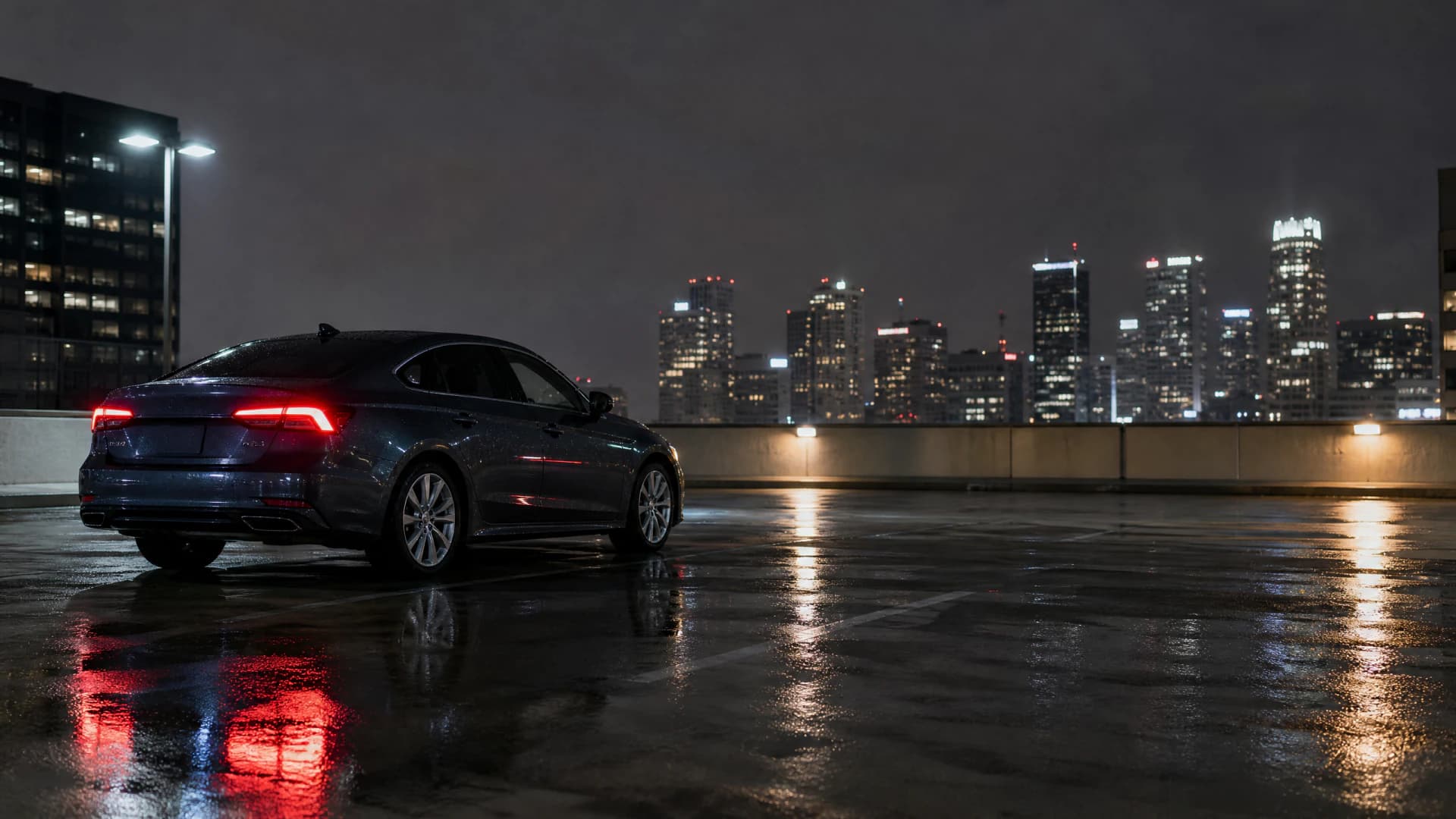
The per-accident cap applies to the policy, not to each vehicle. Two cars on minimum coverage share one $50,000 ceiling.


How Multi-Vehicle Exposure Compounds
Each additional vehicle on the policy increases total miles driven and the number of drivers operating under the household's liability umbrella. A household with two cars and two drivers might log 25,000 combined miles per year. Add a third car for a newly-licensed teen, and annual mileage climbs to 35,000 or more. Higher mileage raises the statistical probability of an at-fault accident, but the per-accident liability cap remains fixed at $50,000.
Oregon does not allocate liability limits per vehicle. The policy covers every car listed, and every driver authorized to operate them, under one shared set of limits. If two household vehicles are involved in separate at-fault accidents on the same day, both claims draw from the same $50,000 per-accident cap. The second accident may receive zero coverage if the first exhausted the limit.
Uninsured motorist coverage in Oregon is mandatory, but it protects the household when another driver lacks insurance. It does not raise the household's own liability ceiling. When your household driver causes the accident, only your liability limits apply. Minimum coverage leaves the gap between $50,000 and the actual claim amount as the household's direct obligation.
14.7%
Oregon Uninsured Motorist Rate
Nearly 15% of Oregon drivers operate without insurance. Uninsured motorist coverage is mandatory and protects your household when an uninsured driver causes an accident, but it does not increase your own liability limits when your driver is at fault.
Oregon insurance statistics, 2023
Structuring Higher Limits Across Vehicles
The higher per-accident cap provides a larger shared pool when multiple household cars are on the road. Carriers writing Oregon multi-vehicle policies include State Farm, Geico, Progressive, Allstate, Farmers, USAA, Nationwide, Liberty Mutual, Travelers, and American Family. Each quotes higher limits as an option at the time of policy setup or renewal.
Some households add umbrella liability coverage on top of the auto policy. The umbrella sits above the auto policy and activates only after the auto liability limit is exhausted. For households with significant assets and multiple vehicles, the umbrella structure offers broader protection than minimum auto liability alone.
Compare Carriers and Raise Limits
Minimum coverage satisfies Oregon registration requirements but does not address the shared-limit exposure a multi-vehicle household creates. The per-accident cap applies to the policy, not to each car. When two or three household vehicles operate daily, the probability that one will generate a claim exceeding $50,000 rises with each additional driver and mile driven. Compare carriers writing Oregon multi-vehicle policies and request quotes at higher liability limits before renewing at the state minimum.
When Minimum Coverage Falls Short
When a household operates two or three vehicles, the combined mileage and driver count increase the likelihood of a serious accident. A single at-fault crash involving multiple injuries can generate claims that exceed $50,000 within hours. The minimum per-accident cap is exhausted before the second claimant's bills arrive.
Households with multiple vehicles typically own other assets: a home, retirement accounts, savings. Oregon is not a community-property state, but creditors can pursue joint assets when a judgment exceeds policy limits. Minimum coverage satisfies the state's registration requirement but leaves the household's net worth exposed.
Get Your Free Quote
Get My Oregon Car Insurance QuoteFrequently Asked Questions
Does Oregon minimum liability cover each vehicle separately?
No. Oregon minimum liability is $25,000 per person and $50,000 per accident, and the per-accident cap applies to the entire policy. All vehicles listed on the policy share that $50,000 ceiling. If two household cars are involved in separate at-fault accidents, both claims draw from the same limit.
What happens if one accident exhausts the per-accident limit?
The household pays the difference between the policy limit and the total claim amount out of pocket. Oregon creditors can pursue joint household assets, including home equity and savings, to satisfy a judgment that exceeds policy limits. Minimum coverage satisfies state registration requirements but does not protect household assets above $50,000 per accident.
How much does it cost to raise liability limits on a multi-vehicle Oregon policy?
Premium varies by carrier, driving history, location, and vehicle count. Request quotes from carriers writing Oregon multi-vehicle policies to compare.
Does uninsured motorist coverage increase my liability limits?
No. Oregon mandates uninsured motorist coverage, which protects your household when another driver lacks insurance. It does not raise your own liability ceiling. When your household driver causes an accident, only your liability limits apply. Uninsured motorist coverage and liability coverage serve different purposes.
Should I add umbrella liability if I insure multiple vehicles?
For households with significant assets and multiple vehicles, umbrella coverage offers broader protection than minimum auto liability alone.