
Liability-Only vs Full Coverage — Oregon
Free to compare
The Coverage Decision for Multiple Vehicles
You own two or more vehicles in Oregon and you're deciding whether to carry the state's minimum liability coverage or add collision and comprehensive to each car. The decision feels straightforward for one vehicle, but when you're structuring coverage across three cars, the cost difference between liability-only and full coverage multiplies while the protection gap widens unevenly.
Oregon requires $25,000 bodily injury per person, $50,000 per accident, $20,000 property damage, plus personal injury protection and uninsured motorist coverage on every policy. That baseline applies whether you insure one car or five. Collision and comprehensive are optional, priced per vehicle, and stack on top of the mandatory coverages. The structural reality: liability protects you from what you cause; collision and comprehensive protect the vehicles you own. When you add a third or fourth car, the collision premium for that car is a separate line item, but your liability limit does not change.
“Liability applies per policy. Collision and comprehensive stack per vehicle. The cost gap widens with every car you add.”

See What Oregon Drivers Pay for the Coverage They Need
Get My Oregon Car Insurance Quote$25,000 / $50,000 / $20,000
Oregon Minimum Liability
Oregon law requires $25,000 bodily injury per person, $50,000 per accident, and $20,000 property damage on every auto policy. Personal injury protection and uninsured motorist coverage are also mandatory.
Oregon Revised Statutes 806.070
What Liability-Only Covers Across Your Vehicles
Liability-only means you carry Oregon's mandatory minimums and nothing else. The policy pays for damage you cause to another person's vehicle or property, and for injuries you cause, up to the limits you selected. It does not pay to repair or replace your own vehicles after a crash, theft, or weather event.
When you insure multiple vehicles on one policy with liability-only coverage, every car on the policy is covered for what it causes, but none of them are covered for what happens to them. If your teenager backs one car into another car you own in your driveway, liability does not apply because you cannot be liable to yourself. If someone hits your parked car and drives away, your liability coverage does not pay for the damage. If hail dents three vehicles parked at your home, liability-only leaves you with three repair bills.
The cost advantage is real. Liability premiums do not scale linearly with vehicle count the way collision and comprehensive do. Adding a third vehicle to a liability-only policy increases the premium, but the increase reflects the additional exposure, not a per-vehicle collision deductible and comprehensive deductible. Households that own older vehicles with low market value often choose liability-only because the annual collision premium exceeds what the vehicle is worth.
The structural trade: you save money every month, but you accept full financial responsibility for repairing or replacing every vehicle you own after any non-liability event. For a household with four vehicles, that exposure is four times larger than for a household with one.
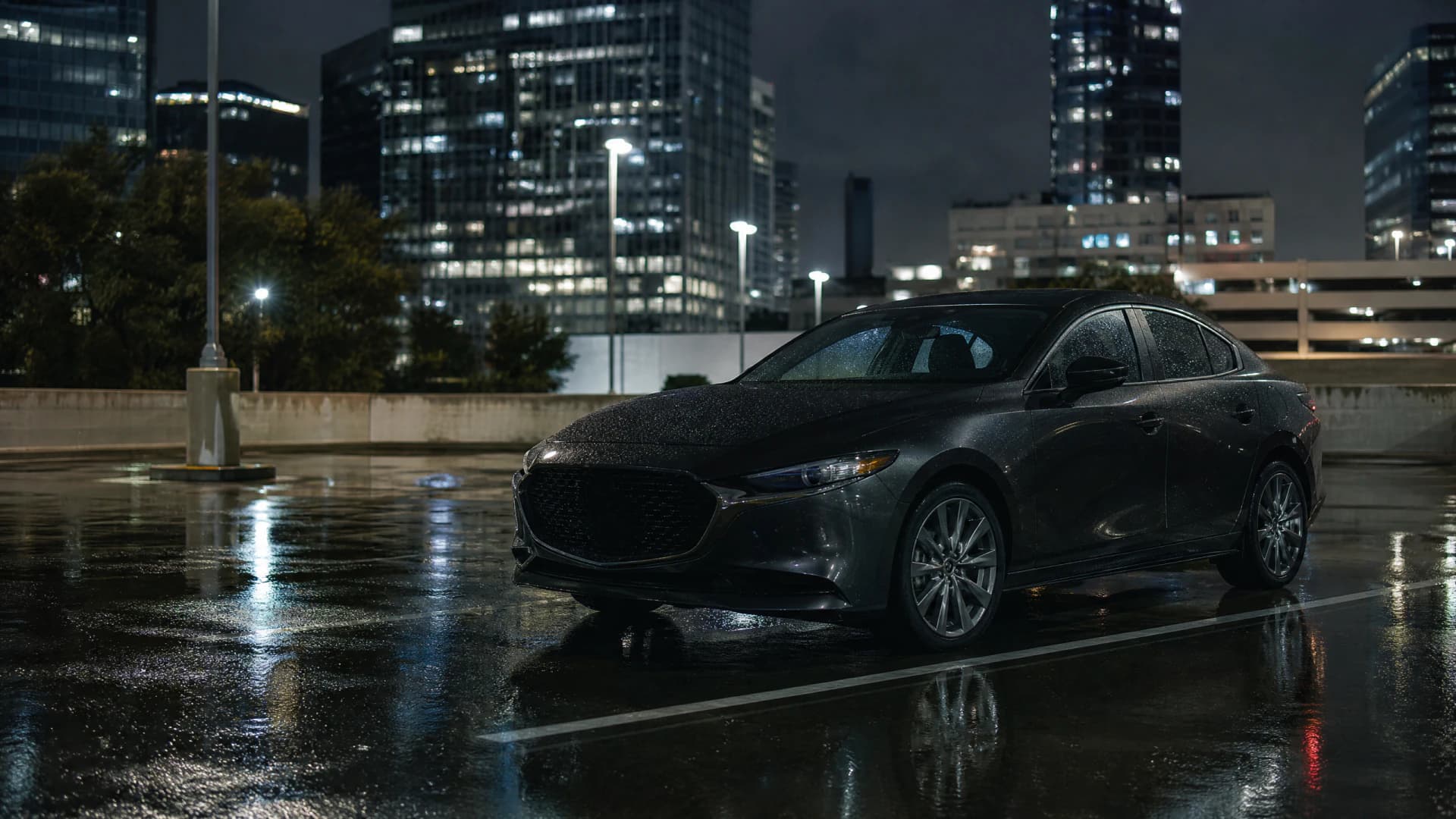
Collision and comprehensive premiums stack per vehicle. Liability applies per policy. The cost gap widens as vehicle count increases, but so does your unprotected asset exposure.
Related Articles




How Vehicle Value Shapes the Decision
Collision and comprehensive pay no more than the actual cash value of the vehicle minus your deductible.
Households with multiple older vehicles face this calculation for each car separately. A common threshold: when the annual collision and comprehensive premium exceeds 10 percent of the vehicle's value, many households drop those coverages and self-insure the vehicle.
Newer vehicles with higher values and outstanding loans shift the calculation. Lenders require collision and comprehensive until the loan is paid off. If two of your four vehicles are financed, you must carry full coverage on those two regardless of your preference. The other two remain your choice. Many households run a split structure: full coverage on financed or high-value vehicles, liability-only on older paid-off cars.
Oregon does not regulate this choice beyond the liability, PIP, and UM mandates. You may carry any combination of collision and comprehensive across your vehicles as long as every vehicle meets the state's minimum liability requirement.
14.7%
Oregon Uninsured Motorist Rate
Nearly 15 percent of Oregon drivers carry no insurance. Uninsured motorist coverage, mandatory in Oregon, pays for injuries caused by an uninsured driver, but it does not cover vehicle damage unless you add uninsured motorist property damage.
Insurance Research Council, 2023

Uninsured Motorist Property Damage and the Liability-Only Gap
Oregon requires uninsured motorist coverage for bodily injury, but uninsured motorist property damage is optional. If you carry liability-only and an uninsured driver hits your parked car, your liability coverage does not apply because you did not cause the crash. Your mandatory UM bodily injury coverage does not apply because no one in your vehicle was injured. Without collision or uninsured motorist property damage, you pay for the repair yourself.
Uninsured motorist property damage fills part of this gap. It pays for damage to your vehicle caused by an uninsured or hit-and-run driver, subject to a deductible. It costs less than collision because it applies only when the at-fault driver is uninsured, not in every crash. For households running liability-only on multiple vehicles, adding UM property damage provides a middle layer of protection: you remain self-insured for at-fault crashes and comprehensive events, but you are covered when someone else causes the damage and has no insurance. Given Oregon's 14.7 percent uninsured rate, this coverage addresses a measurable risk.
Compare Carriers That Write Multi-Vehicle Policies in Oregon
Collision and comprehensive premiums vary significantly by carrier, vehicle, driver, and location within Oregon. The multi-car discount most carriers offer applies to the liability portion of the premium, not to collision and comprehensive, which means the per-vehicle cost difference between carriers becomes the dominant variable when you insure three or more cars with full coverage.
Twenty-four carriers write auto insurance in Oregon, including Allstate, American Family, Farmers, Geico, Progressive, State Farm, and USAA. Not all carriers offer the same collision and comprehensive rates for the same vehicle and driver profile. Some specialize in multi-vehicle households and structure their pricing to reward consolidating every car on one policy. Others price each vehicle independently with minimal multi-car adjustment. Request quotes that break out liability, collision, and comprehensive separately so you can see where the cost difference lives. Compare the same deductible across carriers: a $500 collision deductible at one carrier may cost the same as a $1,000 deductible at another, and the $1,000 deductible leaves you with higher out-of-pocket risk for the same premium. The decision is not binary. You can carry $500 deductibles on two high-value vehicles and $1,000 deductibles on two older ones, all on the same policy, if the carrier allows per-vehicle deductible selection.
What Full Coverage Adds Per Vehicle
Collision pays to repair or replace your vehicle after a crash with another vehicle or object, regardless of fault, minus your deductible. Comprehensive pays for damage from theft, vandalism, fire, weather, falling objects, and animal strikes, minus your deductible. Both coverages are optional under Oregon law, priced separately for each vehicle on the policy, and subject to the actual cash value of the vehicle at the time of loss.
When you add collision and comprehensive to a multi-vehicle policy, each car gets its own collision and comprehensive line with its own premium. A household insuring three vehicles with full coverage pays three collision premiums and three comprehensive premiums on top of the single liability, PIP, and UM base. The deductible you choose applies per vehicle per incident: a $500 collision deductible means you pay $500 out of pocket for each car involved in a covered collision event.
Get Your Free Quote
Get My Oregon Car Insurance QuoteFrequently Asked Questions
Can I carry full coverage on one vehicle and liability-only on another on the same Oregon policy?
Yes. Oregon allows you to structure collision and comprehensive separately for each vehicle on a multi-car policy. Many households carry full coverage on financed or newer vehicles and liability-only on older paid-off cars. Every vehicle must meet Oregon's mandatory liability, PIP, and UM minimums regardless of whether you add collision and comprehensive.
Does the multi-car discount apply to collision and comprehensive premiums in Oregon?
The multi-car discount typically applies to the liability portion of the premium, not to collision and comprehensive, which are priced per vehicle. Some carriers apply a smaller discount to physical-damage coverages, but the per-vehicle collision and comprehensive cost remains the largest variable when insuring multiple cars with full coverage.
What happens if I drop collision on one vehicle mid-term in Oregon?
Dropping collision or comprehensive mid-term triggers a policy re-rate and a prorated refund for the unused portion of that coverage. The liability, PIP, and UM portions remain unchanged. If the vehicle is financed, your lender will require you to reinstate collision and comprehensive or face a force-placed policy at higher cost.
Is uninsured motorist property damage worth adding to a liability-only policy in Oregon?
Uninsured motorist property damage covers vehicle damage caused by an uninsured or hit-and-run driver. Oregon's uninsured motorist rate is 14.7 percent, which makes this coverage a cost-effective middle layer for households running liability-only on multiple vehicles. It costs less than collision and addresses a measurable risk.
How do I decide whether to carry collision on an older vehicle in Oregon?
Compare the annual collision and comprehensive premium to the vehicle's actual cash value. When the premium exceeds 10 percent of the vehicle's value, many households drop physical-damage coverage and self-insure. If you can absorb the loss without financial distress, liability-only is often the rational choice.
Do I need to carry the same deductible on every vehicle on my Oregon policy?
No. Most carriers allow you to select different collision and comprehensive deductibles for each vehicle on a multi-vehicle policy. You can carry a $500 deductible on a newer financed car and a $1,000 deductible on an older paid-off car, all on the same policy.