
When to Drop Full Coverage — Oregon
Free to compare
The Multi-Vehicle Coverage Decision
You insure three vehicles on one policy. Two are daily drivers worth protecting with comprehensive and collision.
Oregon law requires every registered vehicle to carry at least $25,000 per person and $50,000 per accident in bodily injury liability, plus $20,000 in property damage liability. Personal injury protection and uninsured motorist coverage are also mandatory. What Oregon does not require is comprehensive or collision — those coverages protect your own vehicle, and the decision to carry them is yours. When you own multiple cars on one policy, that decision becomes vehicle-specific, not policy-wide.
“When a vehicle's value falls below ten times the annual comp and collision premium, the coverage delivers diminishing return.”

See What Oregon Drivers Pay for the Coverage They Need
Get My Oregon Car Insurance Quote$25,000/$50,000/$20,000
Oregon Liability Minimums
Every vehicle registered in Oregon must carry at least $25,000 per person and $50,000 per accident in bodily injury liability, plus $20,000 in property damage liability. These minimums apply whether you carry one vehicle or five on your policy.
Oregon Department of Transportation Driver and Motor Vehicle Services Division
What Full Coverage Actually Protects
Full coverage is shorthand for a policy that includes comprehensive and collision in addition to the state-required liability, PIP, and uninsured motorist coverages. Comprehensive pays for damage to your vehicle from non-collision events: theft, vandalism, hail, fire, hitting a deer. Collision pays for damage when your vehicle hits another car or object, or rolls over, regardless of fault.
Both coverages carry a deductible — typically $500 or $1,000 — and pay up to the actual cash value of the vehicle at the time of loss. If you carry a $1,000 deductible, the net payout is $2,200. If the vehicle is worth less than twice your deductible, the maximum benefit you can receive from a total loss is smaller than the annual cost of carrying the coverage.
When you own multiple vehicles on one policy, each vehicle can carry different coverage levels. You can drop comp and collision on the aging sedan while keeping full coverage on the two newer cars. The policy remains active, and every vehicle still meets Oregon's mandatory liability, PIP, and uninsured motorist requirements.
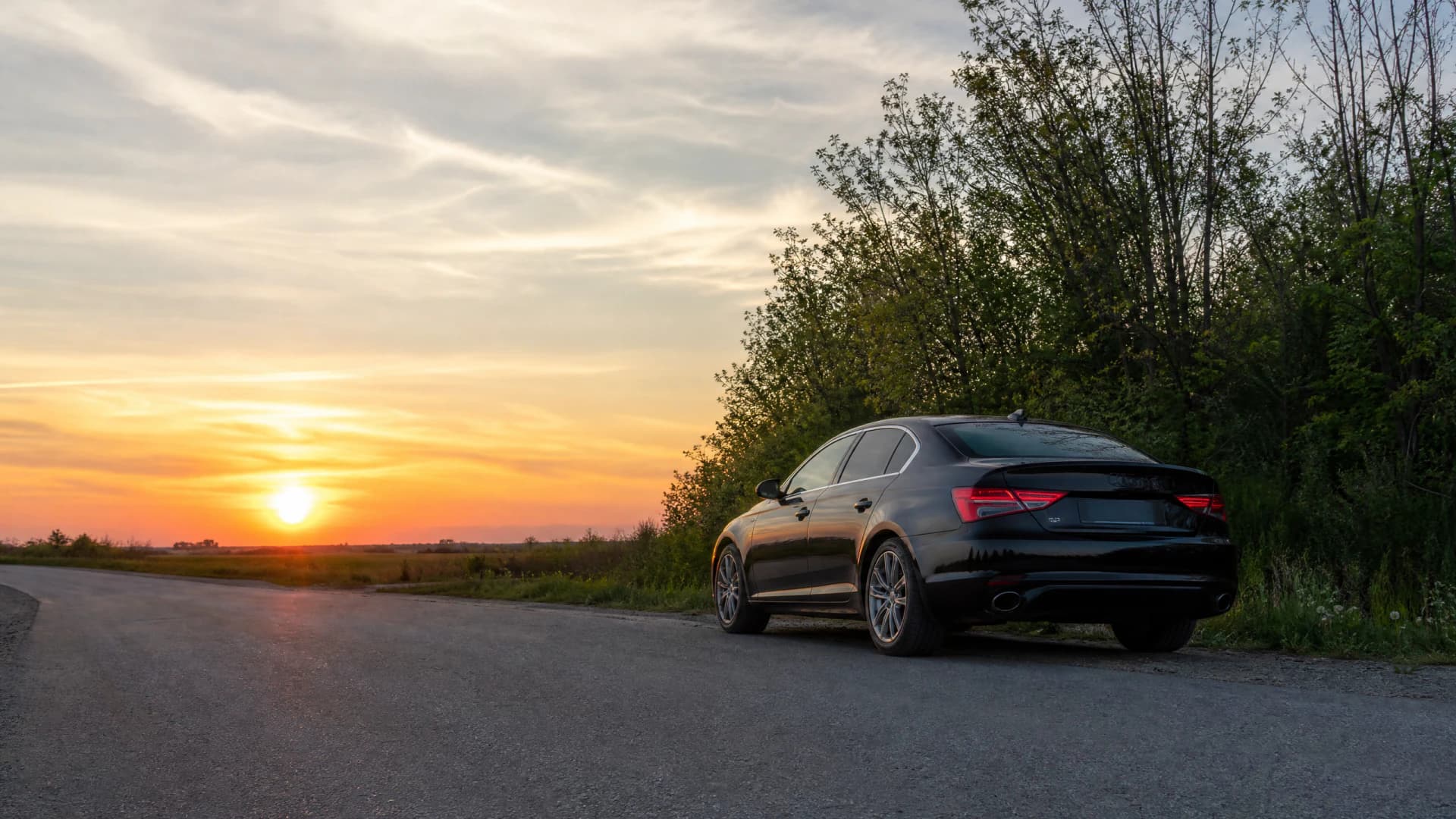
Dropping comp and collision on one vehicle does not change the liability limits or mandatory coverages on your other cars — each vehicle's physical-damage coverage is independent.



How Dropping Coverage Affects Your Policy
Removing comp and collision from one vehicle triggers a mid-term policy change. Your carrier re-rates the policy, and your premium drops — but not always by the full amount you were paying for that vehicle's physical-damage coverage. Multi-car policies calculate premiums using household-level factors: the number of drivers, the garaging address, the combined liability limits. Dropping coverage on one car reduces the total premium, but the reduction reflects the carrier's re-rating of the entire policy, not a simple line-item subtraction.
Oregon requires 30 days' notice to cancel or reduce coverage on a vehicle. Contact your carrier, specify which vehicle you want to move to liability-only, and confirm the new premium and effective date. The change takes effect on the date the carrier processes it, not retroactively. If the vehicle is financed or leased, your lender will require you to maintain comp and collision until the loan is paid off — dropping coverage without lender approval violates your financing agreement and can trigger forced-placed insurance at a much higher cost.
If you own the vehicle outright, the decision is yours. You're trading the financial protection comp and collision provide for the premium savings. If the car is damaged or stolen after you drop coverage, you pay for repairs or replacement yourself. That trade-off makes sense when the vehicle's value is low enough that the maximum payout would not cover the cumulative cost of premiums over a reasonable time horizon.
14.7%
Oregon Uninsured Motorist Rate
Nearly 15% of Oregon drivers carry no insurance. Uninsured motorist coverage — mandatory in Oregon — protects you when an at-fault driver has no liability policy. This coverage applies regardless of whether you carry comp and collision on your own vehicle.
Insurance Information Institute, 2023
When Liability-Only Makes Sense
Liability-only coverage works for vehicles whose replacement cost you can afford to absorb without financial strain. If losing that vehicle would force you to finance a replacement or go without transportation, keeping full coverage — even on a low-value car — may be worth the premium.
Oregon households with multiple vehicles often keep one older car as a backup or errand vehicle. That car sees limited use, lower annual mileage, and less exposure to collision risk than the primary drivers. Dropping comp and collision on a vehicle driven 3,000 miles a year reduces your premium while maintaining the liability protection Oregon requires. If the car is damaged, you repair it out of pocket or retire it — but you're not paying for physical-damage coverage on a vehicle whose value does not justify the cost.
Compare Carriers Before You Drop
Before removing comp and collision from any vehicle, compare what you're currently paying against what other carriers charge for the same coverage. Oregon's insurance market includes 25 carriers writing personal auto policies, and premiums vary significantly by carrier, vehicle, and household profile.
Request quotes from carriers that write multi-vehicle policies in Oregon and specify your current coverage levels. Compare the cost of keeping full coverage on all three vehicles against the cost of moving one to liability-only. That math may still favor dropping coverage, but comparing carriers first ensures you're not overpaying for coverage that remains worth keeping. Use Oregon's online comparison tools or work with an independent agent who can quote multiple carriers at once.
The Vehicle-Value Threshold
A conventional threshold: when a vehicle's value falls below ten times the annual cost of comprehensive and collision premiums, the coverage delivers diminishing return. A total loss nets you $2,200 after a $1,000 deductible — less than three years of premiums. The coverage paid, but the benefit was modest relative to what you've spent over time.
Oregon households insuring multiple vehicles often apply this threshold vehicle-by-vehicle. The two daily drivers — a 2019 SUV and a 2021 sedan — carry full coverage because their values justify the premium. The 2008 sedan drops to liability-only because its value does not. The policy continues to cover all three vehicles; the older car simply carries fewer coverages. If that car is damaged, you pay for repairs out of pocket or replace it. If it's stolen, you receive nothing for the vehicle itself — but your liability, PIP, and uninsured motorist protections remain in place.
Get Your Free Quote
Get My Oregon Car Insurance QuoteFrequently Asked Questions
Can I drop full coverage on one car and keep it on another?
Yes. Oregon allows you to carry different coverage levels on each vehicle insured under the same policy. You can drop comprehensive and collision on an older car while maintaining full coverage on newer vehicles. Every car must still meet Oregon's mandatory liability, PIP, and uninsured motorist minimums.
What happens if I total a car after dropping collision coverage?
You receive no payout for your own vehicle. Collision coverage pays for damage to your car regardless of fault; without it, you pay for repairs or replacement out of pocket. Your liability coverage still protects you if you're at fault and damage another vehicle.
Do I need my lender's permission to drop full coverage?
Yes, if the vehicle is financed or leased. Lenders require comprehensive and collision coverage until the loan is paid off. Dropping coverage without lender approval violates your financing agreement and can trigger forced-placed insurance at a much higher cost.
How much does my premium drop when I remove comp and collision?
The reduction depends on your carrier's rating structure and the vehicle's characteristics. Removing comp and collision from one vehicle on a multi-car policy reduces your total premium, but the amount reflects the carrier's re-rating of the entire policy, not a simple line-item subtraction. Request a quote showing the new premium before making the change.
Can I add comp and collision back later if I change my mind?
Yes. Contact your carrier to add coverage back at any time. The carrier will re-rate your policy, and the new premium takes effect on the date you request the change. Most carriers allow you to adjust coverage levels mid-term without penalty.
Does dropping full coverage affect my other vehicles' coverage?
No. Each vehicle on your policy carries its own physical-damage coverage. Dropping comp and collision on one car does not change the coverage levels on your other vehicles. Your liability limits, PIP, and uninsured motorist coverage apply policy-wide and remain in place for all insured vehicles.