
Multi-Car Insurance Coverage — Oregon
Free to compare
Oregon Multi-Car Policies Carry Per-Vehicle Mandates
You added a second vehicle to your Oregon policy expecting the multi-car discount to lower your combined premium. Instead, the total jumped more than you anticipated. The structural reality: Oregon requires Personal Injury Protection (PIP) and uninsured motorist coverage on every vehicle, and those mandates apply per car, not per policy. The multi-car discount reduces your liability premium, but it does not eliminate the per-vehicle cost of PIP and uninsured coverage on the second, third, or fourth car.
This article clarifies how Oregon's mandatory coverages interact with multi-vehicle policies, what the multi-car discount actually applies to, and how to structure coverage across your household's cars without overpaying for duplicated protection or underpaying and leaving a vehicle uninsured.
“Oregon's per-vehicle PIP and uninsured-motorist requirements mean adding a second car costs more than the liability discount alone suggests.”

See What Oregon Drivers Pay for the Coverage They Need
Get My Oregon Car Insurance Quote$25,000 / $50,000 / $20,000
Oregon Minimum Liability Limits
Oregon requires $25,000 bodily injury per person, $50,000 bodily injury per accident, and $20,000 property damage. These minimums apply to every vehicle registered in the state, whether you own one car or four.
Oregon Driver and Motor Vehicle Services Division
PIP and Uninsured Motorist Coverage Apply Per Vehicle
Oregon mandates Personal Injury Protection and uninsured motorist coverage on every registered vehicle. When you add a second car to your policy, you are not simply adding liability coverage at a discounted rate. You are adding a second set of PIP and uninsured-motorist premiums. The multi-car discount applies to your liability premium, but PIP and uninsured coverage are priced per vehicle, and the discount typically does not reduce those components.
This is the structural blocker most households miss when they compare single-car to multi-car quotes. A household with one car pays one PIP premium and one uninsured-motorist premium. A household with three cars pays three of each. The liability discount saves money, but it does not offset the full cost of the additional mandatory coverages.
If your household has drivers who commute separately or use different vehicles for work, you need PIP on each car. If one vehicle sits unused most of the week, you still carry the per-vehicle PIP and uninsured mandate unless you remove the car from the policy entirely and surrender its registration.
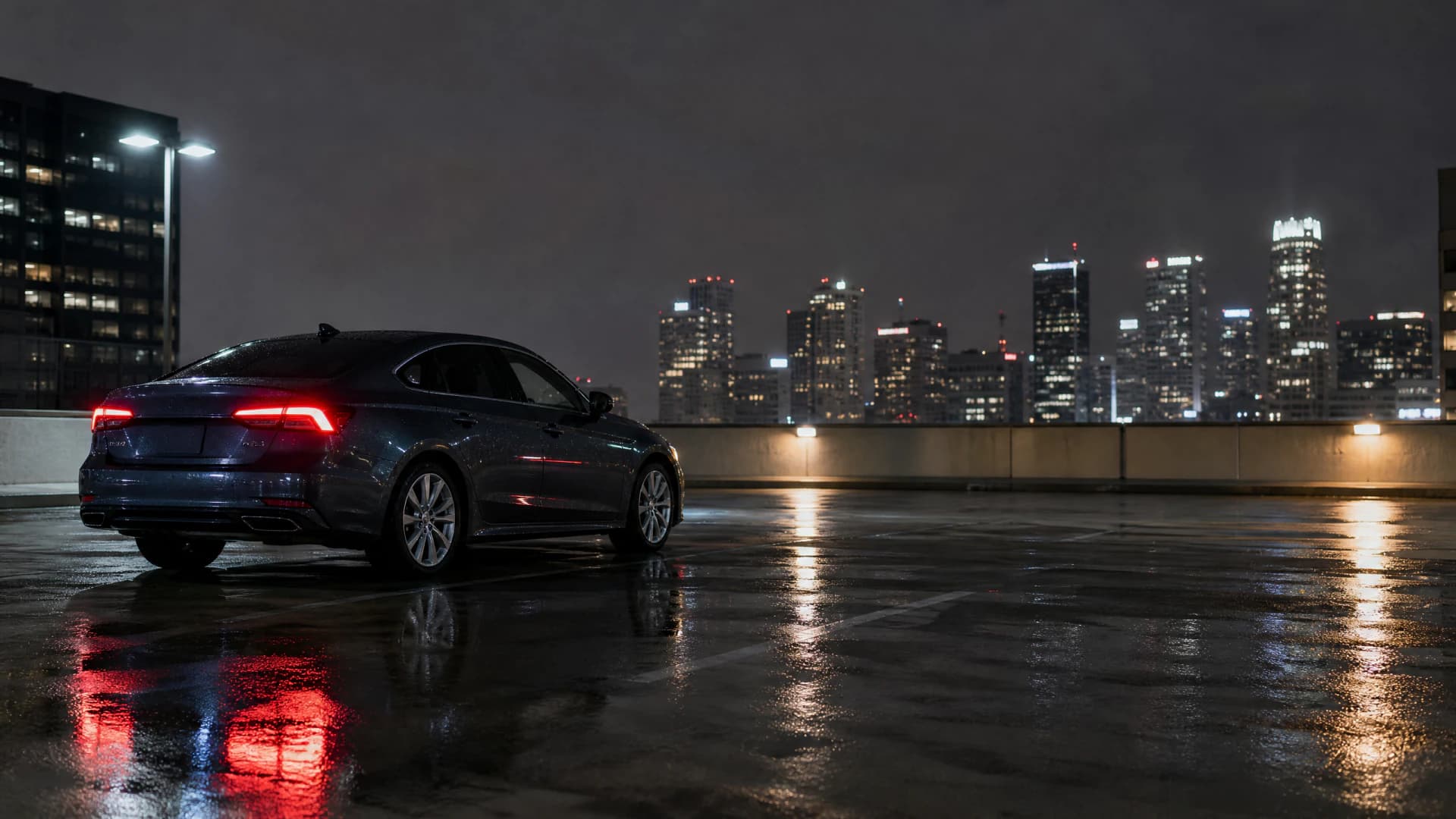
Oregon's per-vehicle PIP and uninsured-motorist requirements mean adding a second car to your policy costs more than the liability discount alone suggests.
Related Articles



Adding a Vehicle Mid-Term Re-Rates the Entire Policy
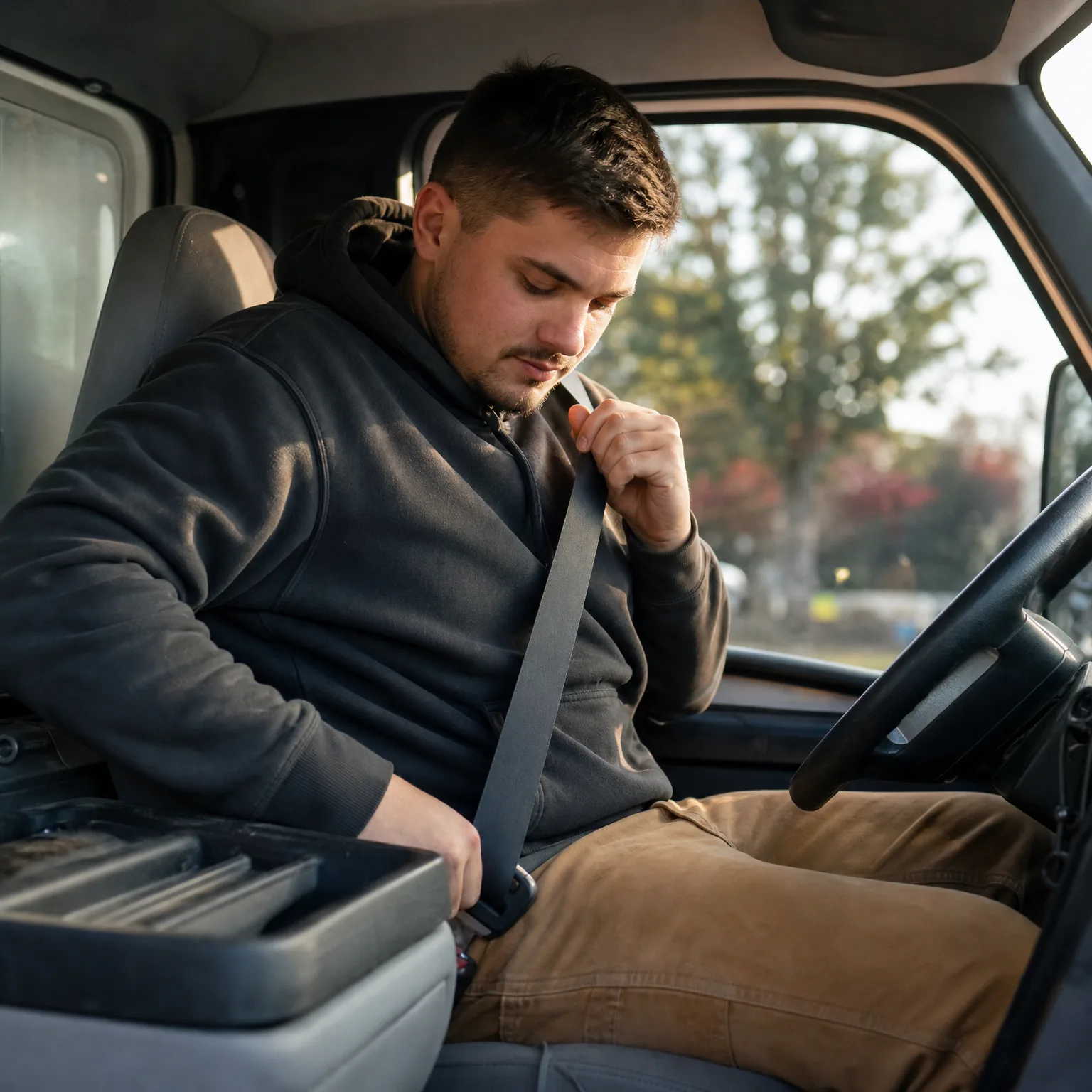
When you add a vehicle to an existing Oregon policy, the carrier re-rates the entire policy, not just the new car. Your liability premium recalculates with the multi-car discount applied across all vehicles, but your PIP and uninsured-motorist premiums increase by the per-vehicle cost of the new car. The total premium change reflects both the discount on liability and the added cost of the mandatory coverages.
Most carriers provide a grace period during which a newly purchased vehicle is automatically covered under your existing policy. That grace period is typically 14 to 30 days, but it varies by carrier. If you do not report the new vehicle within the grace window, the carrier can deny a claim on that car. The grace period does not extend your time to pay the additional premium; it simply protects you from a coverage gap while you complete the paperwork.
If you remove a vehicle from the policy, the carrier re-rates again. Your liability premium decreases, but you lose the multi-car discount if you drop below two vehicles. Your PIP and uninsured-motorist premiums decrease by the per-vehicle cost of the removed car. Removing a rarely-driven vehicle saves the per-vehicle PIP and uninsured cost, but only if you also surrender the vehicle's registration or transfer it to storage coverage.
14.7%
Oregon Uninsured Motorist Rate
Nearly 15% of Oregon drivers carry no insurance, which is why the state mandates uninsured motorist coverage on every vehicle. That coverage protects you when an at-fault driver cannot pay for the damage they caused.
Insurance Information Institute, 2023
Structuring Coverage Across Multiple Vehicles
If your household has two drivers and two cars, the simplest structure is one policy covering both vehicles. Both cars qualify for the multi-car discount on liability, and you pay two sets of PIP and uninsured-motorist premiums. If one driver has a violation or a DUI on their record, some carriers will quote the policy with that driver excluded from one vehicle, which lowers the premium on the excluded car but prohibits that driver from operating it.
If your household has more vehicles than drivers, consider whether every car needs full coverage. A rarely-driven vehicle garaged at your home still requires Oregon's minimum liability, PIP, and uninsured coverage to maintain registration, but you can drop collision and comprehensive on that car if its value does not justify the premium. The multi-car discount still applies to the liability portion, and you avoid paying collision premiums on a car that sits unused most of the month.
Compare Carriers That Write Multi-Vehicle Policies in Oregon
Not every carrier offers the same multi-car discount percentage, and not every carrier prices PIP and uninsured coverage the same way. Compare Oregon carriers that write multi-vehicle policies and request quotes that break out liability, PIP, uninsured motorist, collision, and comprehensive premiums separately. That breakdown shows you where the multi-car discount applies and where the per-vehicle mandates add cost.
Carriers writing multi-vehicle policies in Oregon include State Farm, Geico, Progressive, Allstate, Farmers, USAA, Nationwide, Liberty Mutual, Travelers, American Family, and others. Request quotes from at least three carriers, and confirm that every vehicle on the policy is garaged at the same address and titled to a member of the household. If a vehicle does not meet those requirements, ask whether it qualifies for the multi-car discount or whether it must sit on a separate policy.
What the Multi-Car Discount Actually Covers
The discount applies to bodily injury and property damage liability. Most carriers also apply it to collision and comprehensive premiums, though the percentage varies by carrier. The discount does not typically reduce PIP or uninsured-motorist premiums, because those coverages are mandated per vehicle and priced independently of the number of cars on the policy.
To qualify for the multi-car discount, every vehicle must sit on the same policy, and in most cases every vehicle must be garaged at the same address. A car titled to a household member who maintains a separate policy does not count toward your multi-car discount, even if that person lives at the same address. If you and your spouse each have a separate policy and you combine them after marriage, the combined policy qualifies for the discount, but only if both vehicles transfer to the same policy number.
Get Your Free Quote
Get My Oregon Car Insurance QuoteFrequently Asked Questions
Does the multi-car discount apply to PIP and uninsured motorist coverage in Oregon?
No. The multi-car discount typically applies to liability, collision, and comprehensive premiums, but not to PIP or uninsured motorist coverage. Oregon mandates PIP and uninsured coverage on every vehicle, and those premiums are priced per car regardless of how many vehicles sit on the policy.
How long do I have to add a newly purchased vehicle to my Oregon policy?
Most carriers provide a grace period of 14 to 30 days during which a newly purchased vehicle is automatically covered under your existing policy. The grace period varies by carrier, so confirm the window with your insurer and report the new vehicle before it expires to avoid a coverage gap.
Can I insure multiple vehicles on one policy if they are garaged at different addresses?
Most carriers require every vehicle on a multi-car policy to be garaged at the same address to qualify for the multi-car discount. If a vehicle is garaged elsewhere, ask your carrier whether it can remain on the same policy or whether it must move to a separate policy.
What happens to my premium if I remove a vehicle from my Oregon multi-car policy?
Your liability premium decreases, and you lose the multi-car discount if you drop below two vehicles. Your PIP and uninsured-motorist premiums decrease by the per-vehicle cost of the removed car. The carrier re-rates the entire policy when you remove a vehicle.
Do I need full coverage on every vehicle on my Oregon multi-car policy?
No. Oregon requires liability, PIP, and uninsured motorist coverage on every registered vehicle, but collision and comprehensive are optional. If a rarely-driven vehicle has low value, you can drop collision and comprehensive on that car and keep only the state-mandated coverages.