
Oregon Car Insurance Requirements — Multi-Vehicle Households
Free to compare
What Brings Multi-Car Households to This Page
You own two or more vehicles in Oregon and need to understand what coverage the state requires on each one. You're not dealing with a violation or a filing — you're structuring a compliant policy for a household with multiple cars. The question is whether Oregon's mandatory coverages apply per vehicle or per policy, and how that structure changes what you pay when you add a second or third car.
Oregon requires liability insurance on every registered vehicle: $25,000 bodily injury per person, $50,000 per accident, and $20,000 property damage. The state also mandates personal injury protection and uninsured motorist coverage. Those mandates apply per vehicle, not per policy. A household with three cars carries three sets of PIP and uninsured-motorist coverage, even when all three vehicles sit on one policy. That structure matters when you're deciding whether to combine policies or keep them separate.
“Oregon's per-vehicle PIP and uninsured-motorist mandates push multi-car costs higher than the discount saves in most households.”
See What Oregon Drivers Pay for the Coverage They Need
Get My Oregon Car Insurance Quote$25,000 / $50,000 / $20,000
Oregon Minimum Liability Limits
Oregon requires $25,000 bodily injury per person, $50,000 per accident, and $20,000 property damage on every registered vehicle. These are the floor, not a recommendation — most multi-car households carry higher limits to protect household assets.
Oregon DMV
Oregon's Per-Vehicle Mandate Structure
Oregon law requires personal injury protection and uninsured motorist coverage on every vehicle you register. PIP pays medical expenses for you and your passengers regardless of fault. Uninsured motorist coverage pays when the at-fault driver has no insurance or insufficient limits. Both coverages are mandatory, and both apply per vehicle.
In states with per-policy mandates, a household with three cars on one policy pays for PIP and uninsured motorist once. In Oregon, you pay three times — once for each vehicle. That per-vehicle structure increases the cost of adding a second or third car more than households in other states experience. The multi-car discount offsets some of that increase, but it does not eliminate the per-vehicle mandate cost.
When you add a vehicle to an existing Oregon policy, the carrier re-rates the entire policy. The new vehicle brings its own liability, PIP, and uninsured-motorist premium. The multi-car discount applies to the combined policy, but the discount percentage applies to a base that now includes mandatory coverage for every vehicle. A household moving from one car to two does not simply double the premium — the per-vehicle mandates push the combined cost higher than twice the single-vehicle rate in most cases.
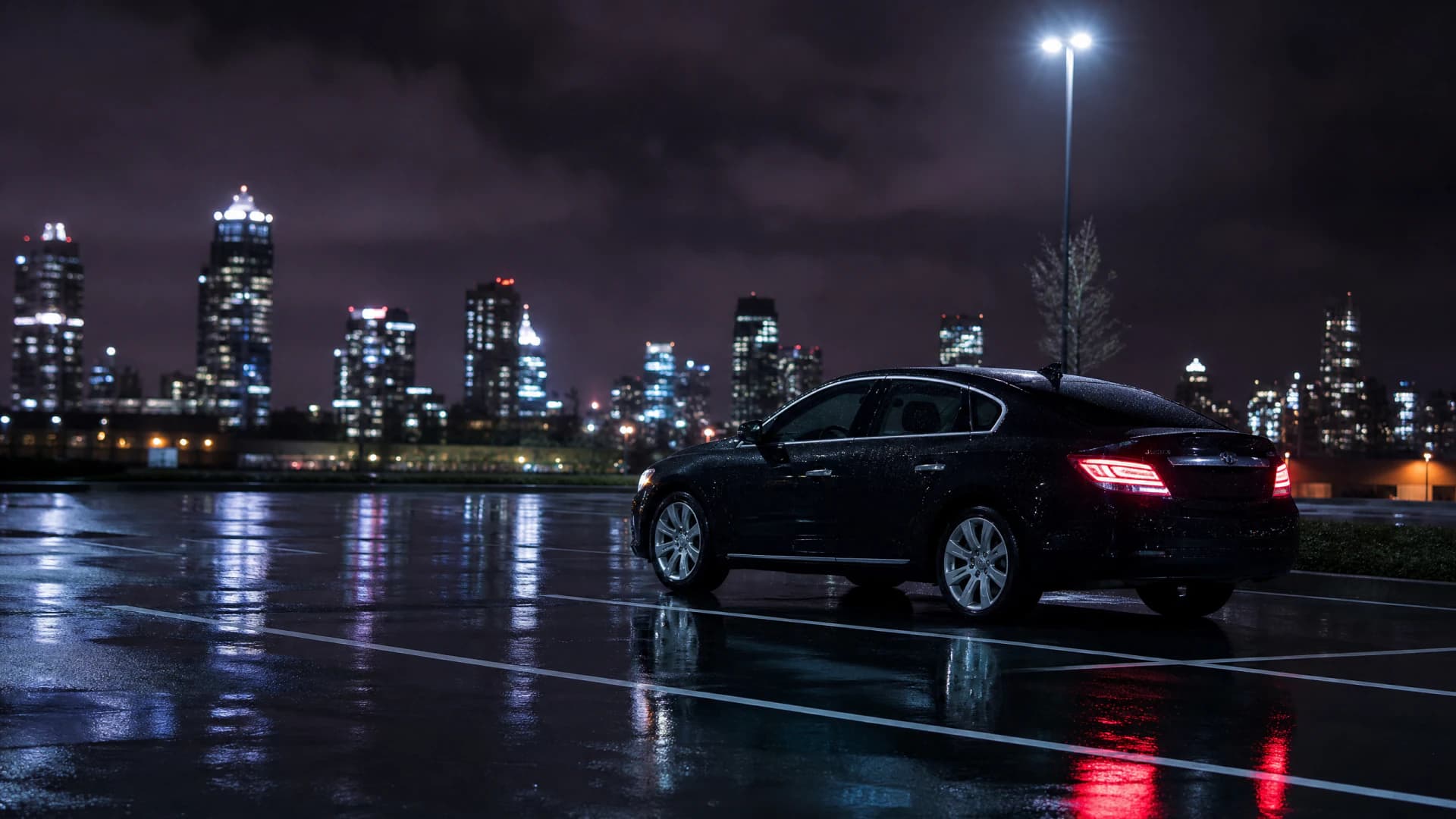
Oregon's per-vehicle PIP and uninsured-motorist mandates mean adding a second car costs more than the multi-car discount saves in most households.
Related Articles



Same-Policy Requirements and Household Structure
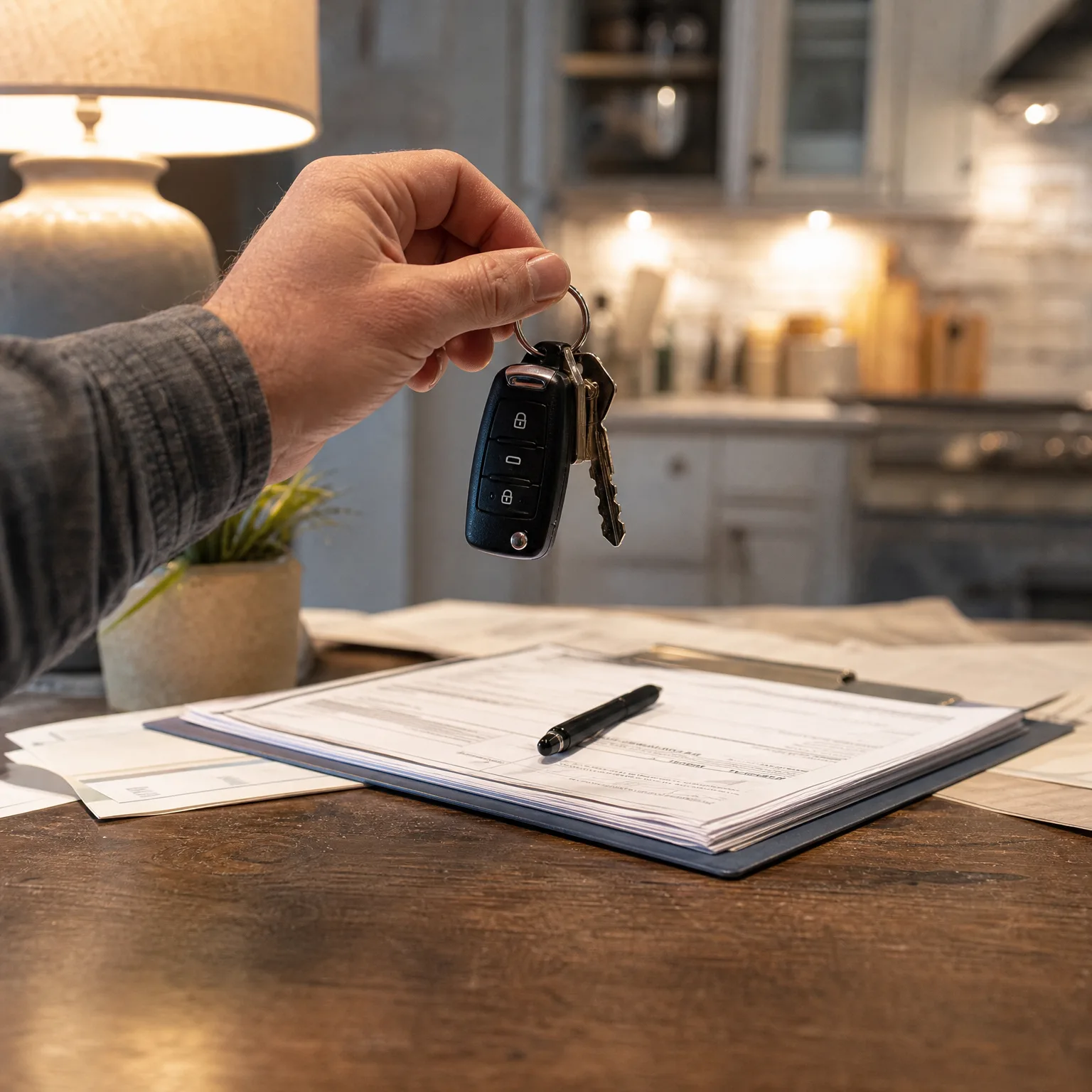
The multi-car discount requires every vehicle to sit on the same policy. Most carriers also require the vehicles to share a garaging address. A car garaged at a second address — a college student's apartment, a vacation property, or a work location in another county — may not qualify for the same-policy discount. Some carriers allow a vehicle garaged at a different address if the owner is a named insured on the policy, but many do not. Verify the garaging rule with the carrier before adding a vehicle kept at a second location.
A vehicle titled to someone outside the household cannot sit on your policy in most cases. Oregon carriers require every vehicle on a multi-car policy to be owned by a named insured or a household member. A roommate's car, a friend's car, or a vehicle titled to an adult child who no longer lives in the household does not qualify. If you're adding a household member's car after marriage or a move, the vehicle must be re-titled or the owner must be added as a named insured on the policy.
Households with a rarely-driven vehicle — a classic car, a project car, or a seasonal vehicle — can sometimes lower the combined premium by insuring that vehicle on a separate agreed-value or storage policy rather than adding it to the multi-car policy. The multi-car discount applies to the frequently-driven vehicles, and the rarely-driven car avoids the per-vehicle PIP and uninsured-motorist mandates that apply to registered, plated vehicles. This structure works only when the rarely-driven vehicle is not registered for road use during the storage period.
14.7%
Oregon Uninsured Motorist Rate
14.7% of Oregon motorists drive without insurance. That rate is why Oregon mandates uninsured motorist coverage on every vehicle — the per-vehicle mandate protects you when the at-fault driver has no coverage.
Insurance Information Institute, 2023

Adding a Vehicle Mid-Term
Oregon carriers give you a grace period to report a newly-purchased vehicle — typically 14 to 30 days, depending on the carrier. During the grace period, the new vehicle is covered under your existing policy's liability and physical-damage limits. After the grace period expires, an unreported vehicle is not covered. If you have an accident in an unreported vehicle after the grace period, the carrier can deny the claim.
When you report the new vehicle, the carrier re-rates the entire policy effective the date you acquired the vehicle. The new premium reflects the added vehicle's liability, PIP, uninsured-motorist, and any physical-damage coverage you select. The multi-car discount applies to the updated policy. You pay the difference between the old premium and the new premium for the remainder of the policy term, prorated to the date you acquired the vehicle. Most carriers bill the difference immediately; some spread it across the remaining payment schedule.
Compare Carriers That Write Multi-Car Policies in Oregon
Oregon has 24 carriers writing auto insurance for multi-car households. Carriers structure the multi-car discount differently, and not every carrier writes every household situation. A household with a teen driver, a vehicle with a loan, or a driver with a recent ticket may find fewer carriers willing to write the policy, and the carriers that do write it price it differently. Compare quotes from at least three carriers that write your household's specific situation.
Use the Oregon car insurance comparison tool to see which carriers write multi-car policies for your household structure. Enter every vehicle, every driver, and every coverage selection you're considering. The tool shows you which carriers write your household and what each one charges for the same coverage. Compare the combined premium, not just the per-vehicle rate — the carrier with the lowest single-vehicle rate does not always have the lowest multi-car rate after the discount applies.
How Multi-Car Policies Work in Oregon
The multi-car discount reduces the per-vehicle premium when you insure multiple cars on one policy. The discount applies to each vehicle after the first. Carriers structure the discount differently — some apply a percentage to each additional vehicle, others reduce the base rate across the policy. Either way, the discount requires every vehicle to sit on the same policy. A car titled to a household member on a separate policy does not count toward the multi-car discount, even if both policies are with the same carrier.
Oregon households combining two existing policies into one multi-car policy usually lower their combined premium, but not always. The combined policy re-rates every vehicle based on the household's combined driving history. If one spouse has a clean record and the other has a recent accident or ticket, the combined policy rates both drivers on both vehicles. That cross-rating can push the combined premium higher than keeping the policies separate, even with the multi-car discount applied.
Get Your Free Quote
Get My Oregon Car Insurance QuoteFrequently Asked Questions
Does Oregon require the same coverage on every vehicle in a multi-car policy?
Oregon requires $25,000/$50,000/$20,000 liability, PIP, and uninsured motorist coverage on every registered vehicle. You can carry different physical-damage coverage (collision, comprehensive, deductible amounts) on each vehicle based on the vehicle's value and your budget. The state mandates apply per vehicle, not per policy.
Can I insure two cars on one policy if they are titled to different people?
Most Oregon carriers require every vehicle on a multi-car policy to be owned by a named insured or a household member. A vehicle titled to someone outside the household cannot sit on your policy in most cases. If you're adding a household member's car after marriage or a move, the vehicle must be re-titled or the owner must be added as a named insured.
How long do I have to report a newly-purchased vehicle to my Oregon auto policy?
Oregon carriers typically give you 14 to 30 days to report a newly-purchased vehicle, depending on the carrier. During the grace period, the new vehicle is covered under your existing policy's limits. After the grace period expires, an unreported vehicle is not covered, and the carrier can deny a claim.
Does combining two policies into one multi-car policy always save money in Oregon?
Combining two policies into one multi-car policy usually lowers the combined premium, but not always. The combined policy re-rates every vehicle based on the household's combined driving history. If one driver has a recent accident or ticket, the combined policy rates both drivers on both vehicles, which can push the combined premium higher than keeping the policies separate.
Can I get the multi-car discount if one vehicle is garaged at a different address?
Most Oregon carriers require every vehicle on a multi-car policy to share a garaging address. A car garaged at a second address may not qualify for the same-policy discount. Some carriers allow a vehicle garaged at a different address if the owner is a named insured on the policy, but many do not. Verify the garaging rule with the carrier before adding the vehicle.