
Oregon Minimum vs Full Coverage — Multi-Car Households
Free to compare
The Multi-Car Coverage Decision
You own two or three vehicles. One is financed and requires comprehensive and collision. You need to decide: does every car on your policy need full coverage, or can you carry minimum liability on the older vehicle and full coverage on the financed one? Oregon law allows this split. Your lender may not.
The structural reality: Oregon requires $25,000 bodily injury per person, $50,000 per accident, and $20,000 property damage as the liability floor for every registered vehicle. The state also mandates uninsured motorist coverage and personal injury protection. That baseline applies to every car. Full coverage—comprehensive and collision—is optional unless your lienholder requires it. Multi-car policies let you assign different coverage levels to different vehicles on the same policy, but the way carriers rate each vehicle and apply the multi-car discount varies.
“The multi-car discount reduces liability premiums for all vehicles, but comprehensive and collision are rated individually per car.”

See What Oregon Drivers Pay for the Coverage They Need
Get My Oregon Car Insurance Quote$25,000 / $50,000 / $20,000
Oregon Liability Minimum
Every vehicle registered in Oregon must carry at least $25,000 bodily injury per person, $50,000 per accident, and $20,000 property damage. Uninsured motorist and personal injury protection are also mandatory.
Oregon DMV
What Minimum Coverage Actually Covers
Minimum coverage in Oregon means liability only: you pay for damage you cause to others. If you hit another car, your $20,000 property damage limit pays for their repairs up to that cap. If you injure someone, your $25,000 per person and $50,000 per accident bodily injury limits cover their medical bills and lost wages within those thresholds. Uninsured motorist coverage steps in when the other driver has no insurance or insufficient limits. Personal injury protection covers your own medical expenses and lost wages regardless of fault.
Minimum coverage does not pay to fix your own vehicle. If you total your paid-off sedan in a single-vehicle crash, you receive nothing for the car. If someone hits you and they carry only minimum limits, your uninsured motorist property damage coverage may help, but comprehensive and collision are the only coverages that repair or replace your own vehicle after a crash, theft, weather damage, or vandalism.
For a household with multiple vehicles, this creates a per-vehicle decision. The financed car must carry comprehensive and collision because the lender holds the title. The paid-off car does not. You can structure one policy with full coverage on the financed vehicle and minimum liability on the older one.
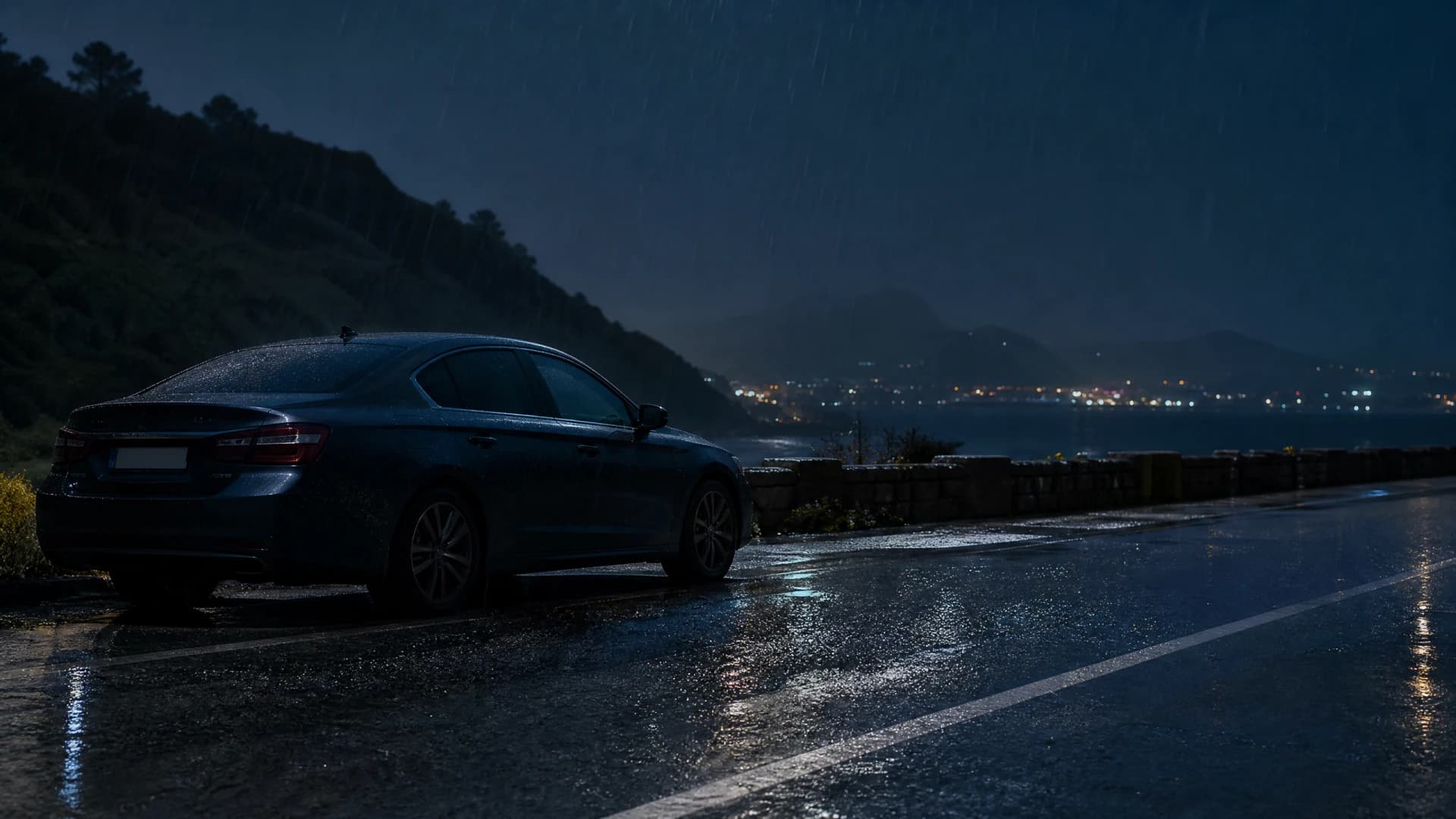
The multi-car discount applies to the entire policy, but each vehicle is rated individually. Dropping collision on one car does not reduce the premium for the other.
Related Articles
When Minimum Coverage Makes Sense for One Vehicle
A conventional threshold: if a vehicle's actual cash value falls below ten times the annual collision premium, collision coverage costs more over time than the vehicle is worth. Dropping collision and banking the premium difference often makes financial sense.
Comprehensive is cheaper than collision and covers theft and weather damage. Oregon's winter weather and rural areas with higher animal-strike risk make comprehensive worth keeping even on older vehicles, depending on where you garage the car. Collision is the expensive coverage. Most multi-car households drop collision first, keep comprehensive and the liability minimum, then drop comprehensive only when the vehicle's value falls below the annual premium.
Lienholders require full coverage until the loan is paid. If you finance one vehicle and own another outright, the financed car must carry comprehensive and collision. The paid-off car does not. You structure the policy with split coverage levels: full on the financed vehicle, minimum or minimum-plus-comprehensive on the older one. Carriers write this structure on a single multi-car policy without issue.
14.7%
Oregon Uninsured Motorist Rate
Nearly 15% of Oregon drivers carry no insurance. Uninsured motorist coverage is mandatory in Oregon and protects you when an at-fault driver has no policy or insufficient limits to cover your damages.
Insurance Information Institute, 2023
How Carriers Rate Multi-Car Policies with Mixed Coverage
The multi-car discount applies to liability premiums across all vehicles on the policy. When you add a second vehicle, the carrier reduces the liability portion of the premium for both cars. The discount does not apply to comprehensive or collision. Those coverages are rated per vehicle based on the vehicle's value, age, and your deductible. Dropping collision on one vehicle removes that vehicle's collision premium but does not reduce the other vehicle's collision cost.
Some carriers re-rate the entire policy when you add or remove a vehicle mid-term. Others prorate the change. If you buy a third car and add it to your existing two-car policy, the multi-car discount may increase slightly, but the new vehicle's comprehensive and collision premiums are added at full individual-vehicle rates. The total policy premium rises, even with the discount, because you are insuring another car. Removing a vehicle mid-term reduces the premium by that vehicle's individual cost, adjusted for the remaining term.
Compare Carriers for Multi-Car Split-Coverage Policies
Not every carrier prices multi-car policies the same way. Some apply a larger multi-car discount but rate individual vehicles higher. Others offer a smaller discount on a lower base rate. A household with one financed vehicle on full coverage and two older vehicles on minimum liability should compare total policy premiums across carriers, not just the discount percentage. The carrier with the best rate for a single vehicle may not offer the best rate for three vehicles with mixed coverage levels.
Oregon licenses 25 carriers that write multi-vehicle policies for standard-risk households. Oregon's carrier roster includes State Farm, GEICO, Progressive, Allstate, Farmers, USAA, Nationwide, and others. Request quotes that reflect your actual vehicle lineup: one vehicle with comprehensive and collision, the others with liability only. The total premium is the number that matters, not the per-vehicle breakdown. Some households save by moving all vehicles to one carrier; others save by keeping the financed vehicle on one policy and the older vehicles on another, though this forfeits the multi-car discount.
How Full Coverage Changes the Policy
Comprehensive covers non-collision events: theft, vandalism, weather, fire, animal strikes. Oregon's vehicle theft rate sits at 296.5 per 100,000 population as of 2024. If your car is stolen and you carry only minimum liability, you recover nothing. Comprehensive pays the actual cash value of the vehicle minus your deductible. Collision covers crashes regardless of fault. If you slide into a guardrail on I-5 in winter weather, collision pays to repair your car. Minimum liability does not.
Each vehicle on your policy is rated separately for comprehensive and collision. The carrier evaluates the vehicle's value, age, theft risk, and your deductible choice. When you add a second vehicle to your policy, the multi-car discount reduces the liability premium for both vehicles, but the comprehensive and collision premiums reflect each vehicle's individual risk. Dropping full coverage on the older vehicle lowers that vehicle's premium but does not change the financed vehicle's comprehensive and collision cost.
Get Your Free Quote
Get My Oregon Car Insurance QuoteFrequently Asked Questions
Can I carry full coverage on one car and minimum coverage on another on the same Oregon policy?
Yes. Oregon law requires every vehicle to meet the $25,000/$50,000/$20,000 liability minimum plus uninsured motorist and personal injury protection. You can add comprehensive and collision to one vehicle and carry only the minimum on others. Lienholders require full coverage on financed vehicles, but paid-off cars do not.
Does dropping collision on one vehicle lower the premium for my other cars?
No. Each vehicle's comprehensive and collision premiums are rated separately based on that vehicle's value, age, and risk. Dropping collision on one car removes that vehicle's collision cost but does not reduce the other vehicles' premiums. The multi-car discount applies only to liability coverage.
What happens if I total my car and I only carry minimum liability?
You receive nothing for your own vehicle. Minimum liability covers damage you cause to others, not your own car. Collision coverage is the only way to recover your vehicle's value after an at-fault crash. If the other driver is at fault and carries insurance, their liability coverage pays for your car.
Is comprehensive worth keeping on an older vehicle if I drop collision?
Often yes. Comprehensive is cheaper than collision and covers theft, vandalism, weather damage, and animal strikes. Oregon's vehicle theft rate and winter weather make comprehensive valuable even on older vehicles. Compare the annual premium to the vehicle's value minus your deductible.
How does Oregon's uninsured motorist requirement protect multi-car households?
Oregon requires uninsured motorist coverage on every policy. With 14.7% of Oregon drivers uninsured, this coverage pays for your injuries and vehicle damage when an at-fault driver has no insurance or insufficient limits. It applies to every vehicle on your policy.
Can I insure three vehicles on one policy with different coverage levels?
Yes. Multi-car policies let you assign different coverage levels to each vehicle. One car can carry full coverage, another minimum plus comprehensive, and a third minimum liability only. The multi-car discount applies to the liability portion across all three vehicles.