
Cheap Full Coverage Car Insurance — Oregon
Free to compare
You Own Two or More Cars and Need Full Coverage
You just bought a second vehicle, or you're combining policies after a household change, and you need full coverage on both cars. You know Oregon requires liability, personal injury protection, and uninsured motorist coverage, but you're not sure whether adding the second vehicle to your existing policy saves money or whether starting a new policy makes more sense. The carrier quoted you a rate for the second car, but the combined premium jumped more than you expected.
The structural reality: the multi-car discount applies only when every vehicle sits on the same policy and typically requires all vehicles to share a garaging address. If one car is titled to a household member on a separate policy, or if the vehicles are garaged at different addresses, the discount may not apply at all. This article clarifies how Oregon's coverage requirements apply across multiple vehicles, what the multi-car discount actually requires, and how to structure your policy to avoid overpaying.
“The multi-car discount applies to the combined premium, not to each vehicle individually.”
See What Oregon Drivers Pay for the Coverage They Need
Get My Oregon Car Insurance Quote$25,000/$50,000/$20,000
Oregon Minimum Liability Limits
Oregon requires $25,000 bodily injury per person, $50,000 bodily injury per accident, and $20,000 property damage. Personal injury protection and uninsured motorist coverage are also mandatory. These minimums apply to every vehicle on your policy.
Oregon Department of Motor Vehicles
Full Coverage Means Liability Plus Collision and Comprehensive
Full coverage is not a single product. It is a combination of Oregon's mandatory coverages — liability, personal injury protection, and uninsured motorist — plus collision and comprehensive coverage that protect your own vehicles. Collision pays for damage to your car after an accident regardless of fault. Comprehensive pays for theft, vandalism, weather damage, and animal strikes. Neither collision nor comprehensive is required by Oregon law, but lenders require both when you finance or lease a vehicle.
When you add a second vehicle to your policy, the carrier re-rates the entire policy. The multi-car discount applies to the combined premium, not to each vehicle individually. A smaller discount on a lower base rate can beat a larger discount on a higher one, which is why comparing carriers that write multi-vehicle policies in Oregon matters more than chasing a single discount percentage.
Oregon's mandatory uninsured motorist coverage is critical when you own multiple vehicles. 14.7% of Oregon motorists drive uninsured, and uninsured motorist coverage pays your medical bills and vehicle damage when an uninsured driver hits you. The coverage applies per vehicle, so adding a second car increases the policy's total uninsured motorist limit.
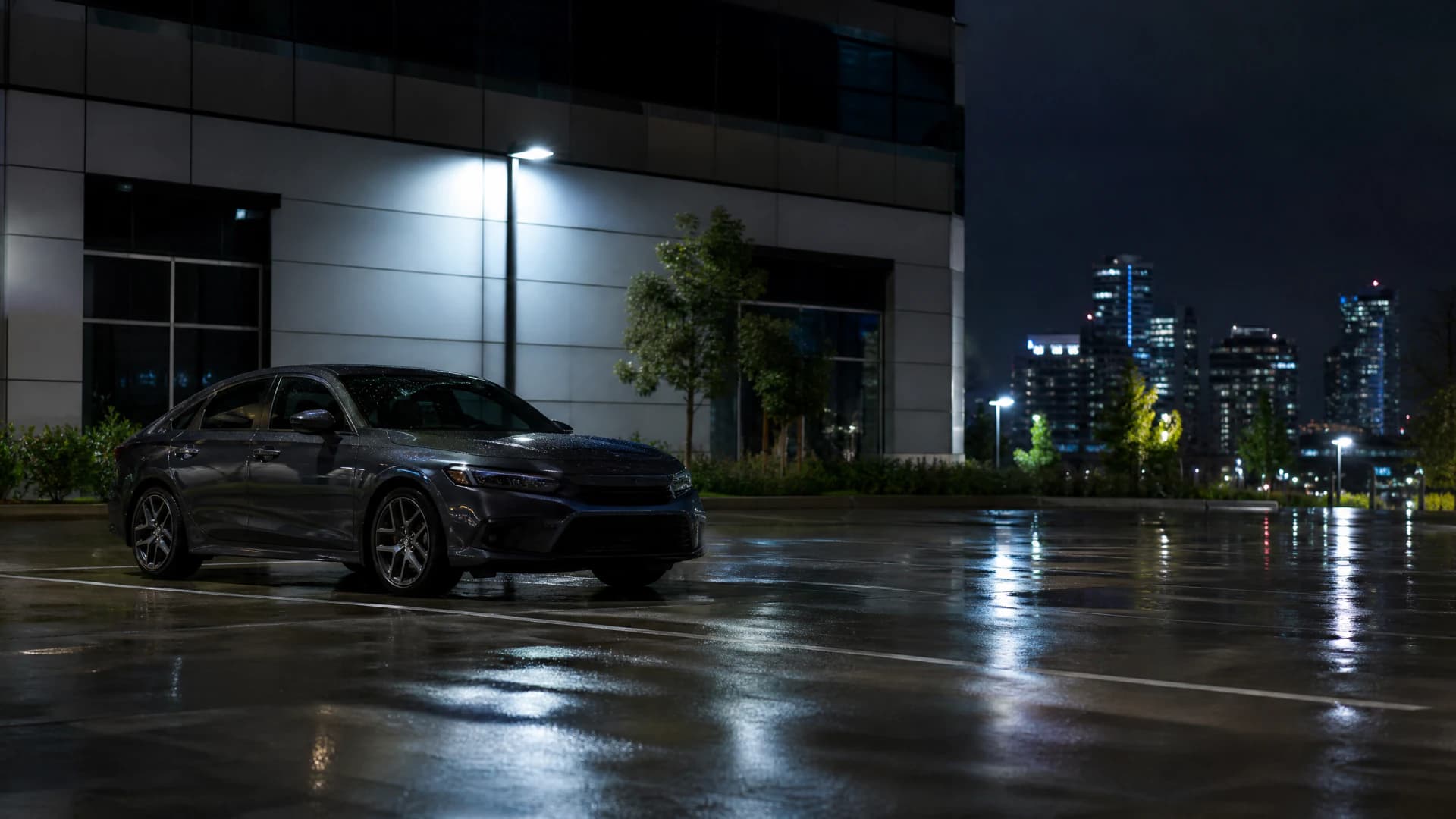
The multi-car discount requires every vehicle on the same policy. A vehicle titled to a household member on a separate policy does not count toward the discount, even if you live at the same address.



Adding a Vehicle Mid-Term Re-Rates the Policy
When you add a second vehicle to an existing policy mid-term, the carrier does not simply add a flat amount to your premium. The carrier re-rates the entire policy based on the combined risk of both vehicles. The new premium reflects the multi-car discount, but it also reflects the rating territory, the vehicle's value and theft rate, and the coverage selections you choose for the second car. If the second vehicle is a high-theft model or is garaged in a higher-rate ZIP code, the combined premium may increase more than you expected even with the discount applied.
Most carriers provide a grace period — typically 14 to 30 days — during which a newly-purchased vehicle is automatically covered under your existing policy at the same coverage level as your current vehicles. You must report the new vehicle to the carrier within that window to maintain coverage. If you miss the window and do not report the vehicle, the carrier can deny a claim on the unreported car. The grace period does not extend the multi-car discount automatically; you must formally add the vehicle to the policy and accept the re-rated premium.
If you are combining two existing policies after marriage or a household move, the carrier will cancel one policy and re-rate the other to include both vehicles. The combined premium is almost always lower than the sum of the two separate premiums, but not always. If one policy carried a preferred-tier discount and the other did not, combining the policies may move both vehicles to the standard tier and eliminate the preferred discount. Compare the combined quote to the sum of the two separate premiums before you commit.
28 carriers
Oregon Multi-Vehicle Carriers
28 carriers write auto insurance in Oregon and accept multi-vehicle policies. Not all carriers offer the same multi-car discount structure, and some carriers specialize in households with three or more vehicles. Compare carriers that write your household's vehicle count.
Oregon Division of Financial Regulation
Collision and Comprehensive Deductibles Across Multiple Vehicles
When you carry collision and comprehensive coverage on two or more vehicles, you choose a separate deductible for each vehicle. The deductible is the amount you pay out of pocket before the carrier pays a claim. A $500 or $1,000 deductible is standard. Choosing a higher deductible lowers your premium, but you pay more at claim time. If you own an older vehicle with a low market value, dropping collision and comprehensive on that vehicle and carrying them only on the newer car can lower your total premium without leaving you underinsured.
The rule of thumb: if the vehicle's market value is less than ten times the annual collision and comprehensive premium for that vehicle, consider dropping both coverages. You are paying more in premiums over the vehicle's remaining life than you would recover in a total-loss claim. This decision applies per vehicle, not to the policy as a whole. You can carry full coverage on one car and liability-only on another on the same policy.
Compare Carriers That Write Multi-Vehicle Policies in Oregon
Not every carrier structures the multi-car discount the same way. Some carriers apply the discount to the entire policy premium. Others apply it only to the liability portion, leaving collision and comprehensive premiums unchanged. A carrier that applies the discount to the full premium may deliver a lower combined rate even if the discount percentage is smaller. The only way to know is to compare quotes from carriers that write multi-vehicle policies in Oregon and accept your household's vehicle count and driver profile.
Oregon licenses 28 carriers that write multi-vehicle auto insurance policies, including Allstate, American Family, Farmers, Geico, Liberty Mutual, Progressive, State Farm, and USAA. Compare at least three carriers that write your household's vehicle count and coverage selections. Request quotes that include the multi-car discount and confirm that every vehicle qualifies for the discount under the carrier's same-policy and garaging-address requirements. The comparison tool on this site connects you to carriers licensed in Oregon that write multi-vehicle policies.
How to Structure Coverage Across Multiple Vehicles
Start by confirming that every vehicle is titled to the same person or persons, or that the carrier allows household members to share one policy. Most carriers require all vehicles on a multi-car policy to be owned by the policyholder, the policyholder's spouse, or a household relative. A roommate's car, a vehicle titled to an adult child who lives elsewhere, or a car owned by a non-relative does not qualify. If the vehicles are titled to different people and the carrier will not combine them, you cannot access the multi-car discount.
Next, confirm that every vehicle is garaged at the same address. The garaging address is the location where the vehicle is parked overnight most of the time, and it determines the policy's rating territory. If one vehicle is garaged at a second home, a college campus, or a workplace parking lot, the carrier may require a separate policy for that vehicle. Some carriers allow a single policy to cover vehicles garaged at different addresses within the same state, but the multi-car discount may not apply to the vehicle at the second address.
Get Your Free Quote
Get My Oregon Car Insurance QuoteFrequently Asked Questions
Does Oregon require full coverage car insurance?
Oregon requires liability insurance, personal injury protection, and uninsured motorist coverage. Collision and comprehensive coverage are not required by Oregon law, but lenders require both when you finance or lease a vehicle. Full coverage is the combination of Oregon's mandatory coverages plus collision and comprehensive.
How much does it cost to insure two cars in Oregon?
The cost depends on the vehicles' value, your driving record, your location, and the coverage selections you choose. The multi-car discount lowers the combined premium compared to insuring each vehicle on a separate policy, but the discount structure varies by carrier. Compare quotes from carriers that write multi-vehicle policies in Oregon to see your actual rate.
Can I insure two cars on one policy if they are titled to different people?
Most carriers require all vehicles on a multi-car policy to be owned by the policyholder, the policyholder's spouse, or a household relative. A roommate's car or a vehicle titled to a non-relative typically does not qualify. If the vehicles are titled to different people and the carrier will not combine them, you cannot access the multi-car discount.
What is the multi-car discount in Oregon?
The multi-car discount is a premium reduction carriers offer when you insure two or more vehicles on the same policy. The discount applies only when every vehicle sits on the same policy and typically requires all vehicles to share a garaging address. The discount structure varies by carrier.
Do I need uninsured motorist coverage on every vehicle?
Oregon requires uninsured motorist coverage on every auto insurance policy. The coverage applies per vehicle, so adding a second car increases the policy's total uninsured motorist limit. 14.7% of Oregon motorists drive uninsured, and uninsured motorist coverage pays your medical bills and vehicle damage when an uninsured driver hits you.
Can I drop collision and comprehensive on one vehicle but keep them on another?
Yes. You can carry full coverage on one vehicle and liability-only on another on the same policy. If an older vehicle's market value is low, dropping collision and comprehensive on that vehicle and carrying them only on the newer car can lower your total premium without leaving you underinsured.
How long do I have to add a new vehicle to my policy?
Most carriers provide a grace period of 14 to 30 days during which a newly-purchased vehicle is automatically covered under your existing policy. You must report the new vehicle to the carrier within that window to maintain coverage. If you miss the window, the carrier can deny a claim on the unreported car.