
Oregon Requires PIP Unless You Decline It
Oregon law mandates Personal Injury Protection coverage on every auto insurance policy. Most Oregon drivers carry PIP without realizing they made an active choice — the coverage sits on the policy by default, and declining it requires a signed waiver submitted to your carrier.
This creates a structural quirk: PIP is both mandatory and optional. The state requires carriers to include it, but drivers can refuse it. The waiver process is straightforward, but the decision has consequences most drivers do not anticipate until they need medical care after a crash. Understanding what PIP covers, what the waiver commits you to, and how declining it changes your financial exposure is the difference between informed choice and accidental risk.
Compare car insurance rates in your state
Get quotes from licensed carriers — no obligation, no spam, results in minutes.
Get Your Free QuoteOregon PIP Minimum Per Person
Oregon Revised Statutes 742.518
What PIP Covers and Why Oregon Mandates It
PIP pays your medical expenses, lost wages, and essential services after a crash, regardless of who caused it. The coverage applies immediately — you file a claim with your own carrier, not the at-fault driver's insurer.
Oregon mandates PIP because the state uses a fault-based liability system. In a fault state, the at-fault driver's liability coverage pays your damages, but liability claims take time to settle. PIP bridges that gap — it pays your medical bills and lost wages while you wait for the liability claim to resolve. Without PIP, you pay out of pocket or rely on health insurance, which often carries deductibles and copays that PIP would have covered.
The coverage applies to you, your household members, and passengers in your vehicle. It also covers you as a pedestrian or cyclist struck by a vehicle. PIP does not cover vehicle damage — that falls under collision or the at-fault driver's property damage liability. PIP is medical and wage-loss coverage only.
Declining PIP shifts all immediate medical costs to you. Health insurance may cover some expenses, but deductibles, copays, and non-covered services become your responsibility until a liability settlement pays out.
How to Decline PIP in Oregon
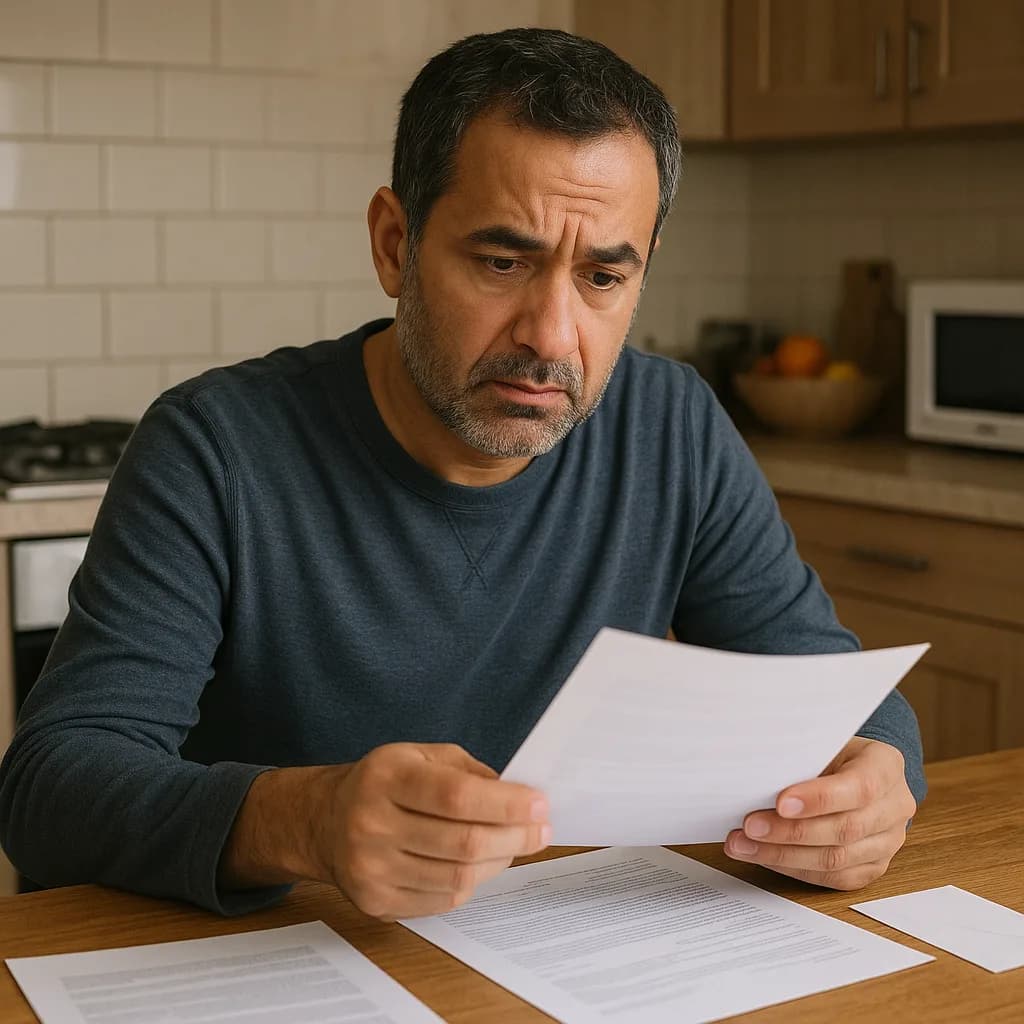
To decline PIP, contact your carrier and request a PIP waiver form. The form states that you understand Oregon law requires carriers to offer PIP, that you are declining the coverage, and that you accept responsibility for medical expenses and lost wages after a crash. Sign the form and return it to your carrier. Once processed, your policy no longer includes PIP, and your premium drops by the amount PIP would have cost.
The waiver applies to your entire household. If you decline PIP, no one listed on your policy carries PIP coverage, including household members who drive your vehicles. You can reinstate PIP at your next renewal by requesting it from your carrier. Some carriers allow mid-term additions, but most require you to wait until the policy renews. If you decline PIP and later want it back, contact your carrier before the renewal date to ensure the coverage appears on the renewed policy.
Related Articles






What Happens When You Decline PIP
Declining PIP removes the immediate medical and wage-loss safety net. After a crash, you pay your own medical bills until the at-fault driver's liability insurance settles your claim. If you caused the crash, you pay all your own medical costs — the at-fault driver's liability coverage does not pay your expenses when you are at fault. Health insurance may cover some medical costs, but deductibles, copays, and non-covered services remain your responsibility.
Oregon's uninsured motorist rate sits at 14.7%, meaning roughly one in seven drivers carries no liability coverage. If an uninsured driver hits you and you declined PIP, you pay your medical bills out of pocket unless you carry uninsured motorist coverage with a medical payments component. Even when the at-fault driver carries liability insurance, settling a liability claim takes weeks or months. PIP pays within days of filing; liability claims require investigation, negotiation, and often legal representation.
Lost wages create a second gap. Without PIP, you rely on sick leave, short-term disability, or savings to cover lost income. If the crash leaves you unable to work for weeks, the financial pressure mounts before a liability settlement arrives. Declining PIP trades immediate premium savings for delayed reimbursement and out-of-pocket risk.
Oregon Uninsured Motorist Rate
14.7%
Roughly one in seven Oregon drivers carries no liability coverage. If an uninsured driver causes a crash and you declined PIP, you pay your medical bills out of pocket unless you carry uninsured motorist coverage with a medical component.
Insurance Research Council, 2023
When Declining PIP Makes Sense
Declining PIP makes sense for drivers with strong health insurance and sufficient savings to cover deductibles and copays after a crash. If your health plan carries a low deductible, covers emergency care and follow-up treatment without prior authorization, and reimburses lost wages through short-term disability, PIP may duplicate coverage you already carry. Some drivers decline PIP to lower their premium when they rarely drive, carry multiple vehicles on one policy, or have access to employer-sponsored accident insurance that covers crash-related expenses.
Declining PIP does not make sense for drivers without health insurance, drivers with high-deductible health plans, or households with tight budgets that cannot absorb unexpected medical costs. PIP pays immediately; health insurance requires you to meet deductibles and copays before coverage kicks in. If you carry passengers regularly — family members, carpool participants, or friends — declining PIP removes their medical coverage as well. Passengers injured in your vehicle rely on your PIP unless they carry their own auto policy with PIP.
Compare Carriers That Write Multi-Vehicle Policies in Oregon
Oregon's PIP requirement applies to every vehicle on your policy. If you insure two or more vehicles, PIP costs compound across the policy, but so does the protection. Carriers price PIP differently — some charge a flat per-vehicle rate, others scale PIP cost by the vehicle's use and the driver's profile. When you compare carriers, ask how PIP is priced on a multi-vehicle policy and whether declining PIP on one vehicle affects the household's coverage.
Use Oregon Car Insurance Requirements' comparison tool to see which carriers write multi-vehicle policies in Oregon and how PIP pricing varies by household structure. Enter your household's vehicle count, driver profiles, and coverage preferences to see quotes that reflect Oregon's PIP mandate and your decision to keep or decline the coverage.