
Car Impound for No Insurance — Oregon
Free to compare
When Oregon Officers Can Impound Your Vehicle
Oregon law allows officers to impound your vehicle at the scene of a traffic stop if you cannot provide proof of insurance and the officer has reason to believe you are driving uninsured. The impound authority is immediate—no court hearing required before the tow truck arrives. The trigger is not simply forgetting your insurance card at home; it is driving a vehicle that the officer determines has no active coverage.
The distinction matters because Oregon's impound statute applies when the vehicle itself is uninsured, not when you merely lack proof of a valid policy. If you hold an active policy but left your insurance card at home, you can typically avoid impound by providing proof to the officer electronically or by calling your carrier. If no policy exists, the vehicle is subject to immediate impound, and you face a 365-day license suspension, an $85 reinstatement fee, and a one-year SR-22 filing requirement.
“Oregon officers can impound your vehicle immediately if you cannot prove the car itself is insured, even if you hold a valid policy on another vehicle.”

See What Oregon Drivers Pay for the Coverage They Need
Get My Oregon Car Insurance Quote365 days
Oregon Uninsured Suspension
Driving without insurance in Oregon triggers an automatic 365-day license suspension administered by the Driver and Motor Vehicle Services Division. The suspension begins on the violation date, not the conviction date, and remains in effect until you reinstate with proof of insurance and pay the $85 reinstatement fee.
Oregon DMV Driver Sanctions Unit
What Counts as Proof of Insurance in Oregon
Oregon accepts three forms of proof at a traffic stop: a physical insurance card issued by your carrier, an electronic display of your policy on your phone, or verbal confirmation from your carrier to the officer. The officer may call your carrier directly to verify coverage if you provide the carrier name and policy number. What the officer cannot accept is a promise to provide proof later, an expired card, or a declaration card from a policy that has lapsed.
If you recently purchased a vehicle and added it to your existing policy, Oregon carriers typically extend automatic coverage for a grace period—often 14 to 30 days—but that grace period does not excuse you from carrying proof. You must obtain an updated insurance card or electronic proof showing the newly added vehicle before driving it. If you are stopped during the grace period without updated proof, the officer may still impound the vehicle if they cannot verify coverage on the spot.
For households insuring multiple vehicles on one policy, every driver must carry proof for the specific vehicle they are operating. A card showing your sedan does not prove coverage for your spouse's truck, even if both sit on the same policy. Oregon law requires proof specific to the vehicle being driven, not proof of household coverage generally.

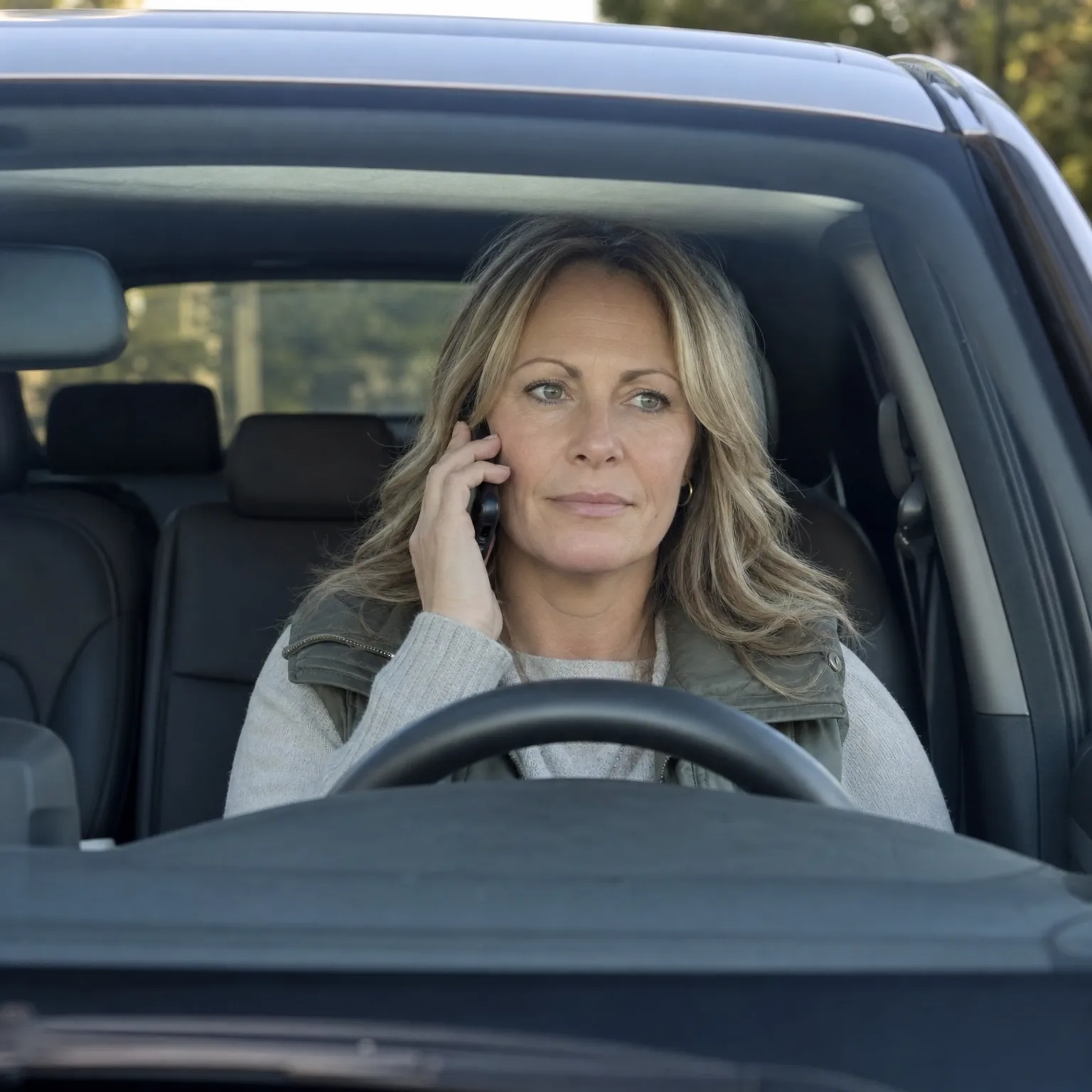
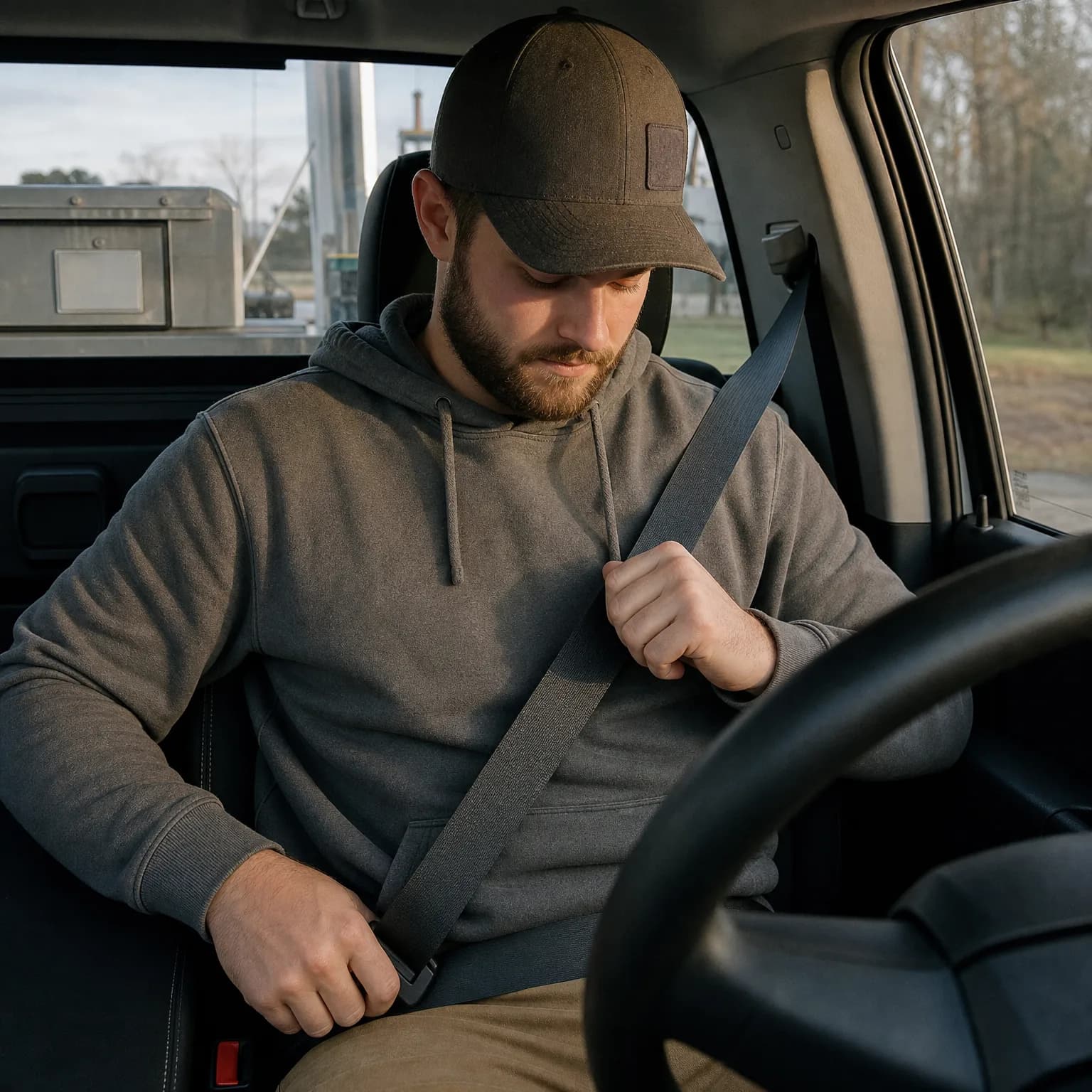
Oregon officers can impound your vehicle immediately if you cannot prove the car itself is insured, even if you hold a valid policy on another vehicle.





The License Suspension and SR-22 Requirement
Oregon's Driver and Motor Vehicle Services Division suspends your license for 365 days the moment you are cited for driving without insurance. The suspension is administrative, not criminal, and runs independently of any court case. Even if you later prove you held coverage at the time of the stop, the suspension remains in effect until you complete the reinstatement process, which requires proof of current insurance, payment of the $85 reinstatement fee, and filing an SR-22 certificate.
The SR-22 is a certificate your insurance carrier files electronically with the DMV certifying that you carry at least Oregon's minimum liability coverage: $25,000 per person for bodily injury, $50,000 per accident for bodily injury, and $20,000 for property damage. Oregon requires you to maintain the SR-22 filing for one year from the reinstatement date. If your policy lapses at any point during that year, your carrier notifies the DMV, and your license is suspended again immediately. For multi-vehicle households, the SR-22 applies to the driver, not the vehicle, so you must maintain continuous coverage on at least one policy—whether it covers one car or several—for the full year.
Carriers writing SR-22 policies in Oregon include Allstate, American Family, Bristol West, Dairyland, Farmers, GAINSCO, Geico, Infinity, Kemper, Liberty Mutual, National General, Progressive, Root, State Farm, The General, and USAA. Not all carriers charge the same base rate for SR-22 filers, so comparing quotes across carriers that write your household's vehicles is the fastest way to find coverage that fits your budget.
$85
Oregon Reinstatement Fee
Oregon charges a flat $85 reinstatement fee to restore your license after a suspension for driving without insurance. The fee is non-negotiable and must be paid in full before the DMV will lift the suspension, even if you later prove you held coverage at the time of the stop.
Oregon DMV

How Multi-Vehicle Households Avoid Impound
Households insuring two or more vehicles face a higher impound risk because each car must carry its own proof of coverage, and any lapse on one vehicle can trigger impound even if the other vehicles remain insured. The most common failure mode: a household adds a third vehicle mid-term, the carrier issues an updated policy, but the driver of the new vehicle continues carrying the old insurance card showing only the first two cars. At a traffic stop, the officer sees no proof for the vehicle being driven and impounds it, even though the household policy covers all three.
To avoid this, request updated insurance cards immediately when adding a vehicle, and ensure every driver in the household carries proof for the specific car they operate. Most Oregon carriers offer electronic proof through a mobile app, which updates automatically when you add or remove a vehicle. For households where multiple drivers share vehicles, every driver should have access to the app or carry a physical card for each car they might drive. Oregon law does not recognize a grace period for proof—only for coverage—so updated documentation is not optional.
What to Do If Your Car Is Impounded
If your vehicle has already been impounded, act within 48 hours to minimize storage fees. Contact an Oregon carrier that writes SR-22 policies and purchase coverage immediately. Most carriers can issue an SR-22 certificate electronically within one business day, and some offer same-day filing. Once you have proof of coverage, retrieve the vehicle from the impound lot by paying all towing and storage fees and presenting the insurance card or electronic proof.
Do not wait for the court date to resolve the ticket before retrieving the vehicle. The impound and the citation are separate processes, and storage fees continue accruing regardless of the court outcome. For multi-vehicle households, prioritize retrieving the impounded car if it is the primary commuter vehicle or if losing it would strand other household members. If the impound fees exceed the vehicle's value, you may choose to surrender the car to the lot, but that decision does not erase the license suspension or the SR-22 requirement—you still must reinstate your license to drive any other vehicle legally.
How the Impound Process Works
The officer calls a contracted tow company, which transports the vehicle to an impound lot. You receive a notice listing the impound reason, the lot address, and the daily storage fee.
To retrieve the vehicle, you must provide proof of insurance to the impound lot, pay all towing and storage fees in full, and show valid identification proving ownership or authorization. The lot will not release the vehicle without proof of active coverage. If you cannot afford the fees within 30 days, the lot may place a lien on the vehicle and eventually sell it at auction to recover costs. For households with multiple vehicles, losing one car to impound can strand other drivers if the impounded vehicle was the primary commuter car.
Get Your Free Quote
Get My Oregon Car Insurance QuoteFrequently Asked Questions
Can I avoid impound if I show proof of insurance later?
No. Oregon law allows officers to impound the vehicle at the scene if you cannot provide proof when stopped. Showing proof later may help resolve the citation in court, but it does not reverse the impound or waive the towing and storage fees you already incurred.
Does Oregon require SR-22 for all uninsured driving violations?
Yes. Oregon requires SR-22 filing for one year after any conviction for driving without insurance. The SR-22 certifies that you carry at least the state's minimum liability coverage: $25,000 per person, $50,000 per accident for bodily injury, and $20,000 for property damage.
What happens if my insurance lapses during the SR-22 period?
Your carrier notifies the Oregon DMV immediately, and your license is suspended again. You must purchase new coverage, file a new SR-22, pay another $85 reinstatement fee, and restart the one-year SR-22 filing period from the new reinstatement date.
Can I retrieve my car from impound without insurance?
No. Oregon impound lots will not release a vehicle impounded for lack of insurance until you provide proof of active coverage. You must purchase a policy, obtain an insurance card or electronic proof, and present it to the lot along with payment for all towing and storage fees.
Do I need separate insurance cards for each vehicle in my household?
Yes. Oregon law requires proof specific to the vehicle being driven. A card showing one car does not prove coverage for another, even if both sit on the same policy. Request updated cards or use your carrier's mobile app to display proof for the correct vehicle at a traffic stop.
How long does the SR-22 filing requirement last in Oregon?
Oregon requires SR-22 filing for one year from the date you reinstate your license after a suspension for driving without insurance. The filing period begins when you pay the $85 reinstatement fee and provide proof of coverage, not when the violation occurred.