
Out-of-State Insurance After Moving — Oregon
Free to compare
The Coverage Gap Most Oregon Movers Hit
You moved to Oregon last week. Your car still carries insurance from the state you left. You assume the policy stays active until you decide to switch, but Oregon law and your carrier's underwriting rules create a narrow window you may not know exists. The state gives you 30 days from the date you establish residency to register your vehicles and obtain Oregon insurance. Your carrier, however, may terminate your out-of-state policy the moment you report a permanent address change, leaving you without coverage before you expected to act.
This article walks the timeline, clarifies what Oregon considers residency, names the specific carrier behavior that creates the gap, and sequences the steps to switch coverage without a lapse. If you own multiple vehicles, the registration and insurance deadlines apply to every car you brought with you.
“Oregon gives you 30 days to switch, but your carrier may cancel the moment you report a permanent move.”

See What Oregon Drivers Pay for the Coverage They Need
Get My Oregon Car Insurance Quote30 days
Oregon Residency Insurance Window
Oregon law requires you to register your vehicles and obtain Oregon insurance within 30 days of establishing residency. The clock starts when you take a job, enroll children in school, register to vote, or take other actions that demonstrate intent to stay. Missing the deadline can result in fines and registration penalties.
Oregon DMV residency requirements
What Oregon Considers Residency
Oregon defines residency by intent to stay, not by the number of days you have been in the state. You become a resident when you take actions that demonstrate you are making Oregon your home: accepting employment, enrolling dependents in school, registering to vote, obtaining an Oregon driver license, or filing Oregon taxes. The 30-day insurance and registration window begins on the date you take the first of those actions, not the date you cross the state line.
If you moved for a temporary work assignment or plan to return to your prior state within six months, Oregon may not consider you a resident. In that case, your out-of-state insurance and registration can remain valid. The distinction matters because carriers and the DMV apply different tests. Oregon DMV looks at your intent. Your carrier looks at your garaging address and the state where the vehicle is principally kept.
When you report a permanent Oregon address to your out-of-state carrier, most will cancel the policy or require you to transfer to an Oregon policy immediately. The carrier's underwriting rules are often stricter than the state's residency definition. You may still be within Oregon's 30-day window, but your carrier may not wait that long.
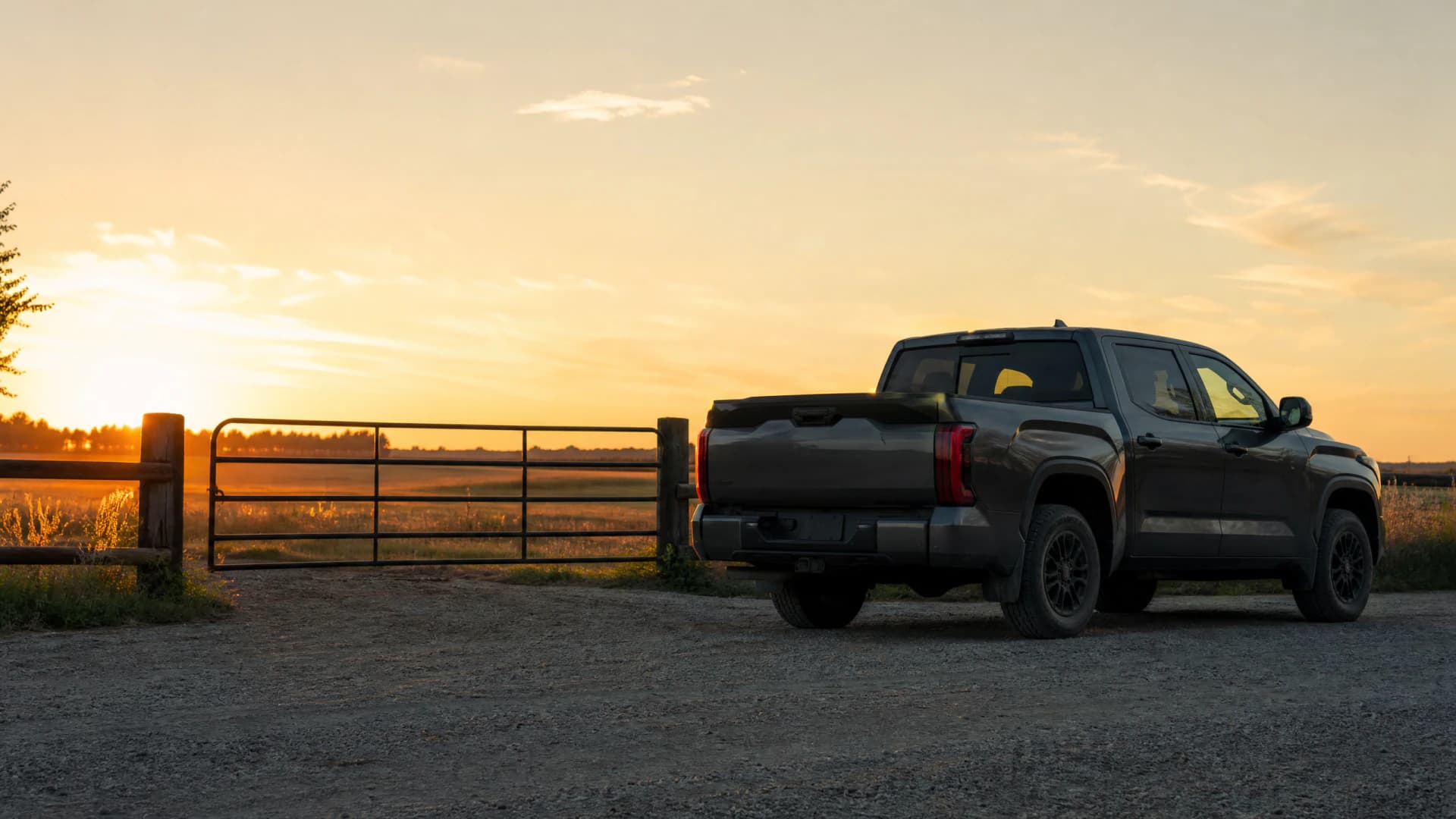
Your out-of-state carrier will cancel your policy when you report a permanent Oregon move, often before Oregon's 30-day deadline expires.
Related Articles







What Happens If You Miss the Deadline
If you drive in Oregon beyond 30 days without Oregon insurance and registration, you are operating illegally. Oregon law enforcement can issue a citation for failure to carry proof of insurance, which carries fines and potential license suspension. If you are involved in a crash during that period, your out-of-state policy may deny the claim on the grounds that the vehicle was garaged in a state where the policy was not written. The carrier's policy terms typically require you to notify them of a permanent address change, and failure to do so can void coverage.
Oregon DMV will assess late registration fees and penalties if you register after the 30-day window. The longer you wait, the higher the penalty. If your out-of-state registration expires while you are in Oregon, you cannot legally drive the vehicle until you complete Oregon registration and obtain Oregon insurance. For households with multiple vehicles, each unregistered car compounds the penalty.
14.7%
Oregon Uninsured Motorist Rate
Nearly 15% of Oregon drivers operate without insurance, one of the higher uninsured rates in the country. This makes uninsured motorist coverage particularly important. Oregon mandates UM coverage, but you can select limits that match or exceed your liability limits for better protection.
Insurance Research Council, 2023

Carrier Behavior When You Report a Move
Carriers write policies based on the state where the vehicle is garaged. When you report a permanent move to Oregon, your out-of-state carrier must either transfer you to an Oregon policy or cancel your coverage. Not all carriers write policies in Oregon. If your current carrier does not operate in Oregon, they will cancel your policy and provide a notice period, typically 10 to 30 days depending on state law and the carrier's terms. If the carrier does write in Oregon, they may offer to transfer your policy, but the premium will be re-rated based on Oregon's rating factors, and the coverage will be rewritten to meet Oregon's mandatory coverage requirements.
Some carriers allow you to keep an out-of-state policy active for a short grace period if you are in the process of moving, but this is not guaranteed and varies by carrier. Do not assume your policy will remain active simply because you have not yet registered in Oregon. The safest approach is to treat the move as an immediate trigger and obtain Oregon coverage before you report the address change.
Next Step for Multi-Vehicle Households
If you are moving multiple vehicles into Oregon, request quotes that include all cars on one policy. Oregon carriers offer multi-car discounts when every vehicle is listed on the same policy and garaged at the same Oregon address. The discount typically ranges from a modest percentage to a more substantial reduction depending on the carrier and the number of vehicles. Combining all vehicles on one Oregon policy simplifies registration, ensures consistent coverage across your household, and maximizes the discount.
Compare Oregon carriers that write policies for your household size and vehicle count. Not all carriers offer the same multi-car discount structure, and some may have restrictions on the number of vehicles they will insure on a single policy. Use the comparison tool to request quotes from multiple Oregon carriers, confirm that all mandatory coverages are included, and verify that the multi-car discount applies to your household. Bind the Oregon policy before you cancel your out-of-state coverage to avoid any gap.
How to Switch Without a Coverage Gap
Contact Oregon carriers that write policies for households with multiple vehicles. Request quotes for all cars you are bringing into the state. Oregon requires minimum liability limits of $25,000 per person for bodily injury, $50,000 per accident for bodily injury, and $20,000 for property damage. Oregon also mandates personal injury protection and uninsured motorist coverage. Confirm that the quote includes these mandatory coverages. If you currently carry collision and comprehensive on your out-of-state policy, request the same coverage levels on the Oregon quote so you can compare accurately.
Once you select a carrier, bind the Oregon policy with an effective date that matches or precedes the date you plan to cancel your out-of-state coverage. Provide proof of the new Oregon policy to the DMV when you register your vehicles. Oregon accepts electronic proof of insurance. After the Oregon policy is active, contact your prior carrier to cancel the out-of-state policy. Most carriers will refund the unused premium on a pro-rata basis. If you own multiple vehicles, all must be listed on the Oregon policy and registered in Oregon within the same 30-day window.
Get Your Free Quote
Get My Oregon Car Insurance QuoteFrequently Asked Questions
Can I keep my out-of-state insurance after moving to Oregon?
No. Oregon requires you to obtain Oregon insurance within 30 days of establishing residency. Your out-of-state carrier will cancel or require you to transfer to an Oregon policy when you report a permanent address change. Driving in Oregon with out-of-state insurance beyond the 30-day window is illegal and can result in fines, license suspension, and claim denials.
When does the 30-day Oregon insurance deadline start?
The 30-day deadline starts when you establish residency, not when you cross the state line. Oregon considers you a resident when you take actions that demonstrate intent to stay: accepting a job, enrolling children in school, registering to vote, or obtaining an Oregon driver license. The clock starts on the date of the first action.
What happens if my out-of-state carrier cancels my policy before I get Oregon insurance?
You will have a coverage gap. If you drive during that gap, you are uninsured and can be cited for failure to carry proof of insurance. If you are in a crash, you will be personally liable for damages. Obtain Oregon insurance before you report your move to your current carrier to avoid this gap.
Do I need to register all my vehicles in Oregon at the same time?
Yes. Oregon requires you to register every vehicle you own within 30 days of establishing residency. All vehicles must be listed on your Oregon insurance policy and registered with Oregon DMV within the same 30-day window. Late registration for any vehicle results in penalties.
Will my Oregon insurance cost more than my out-of-state policy?
It depends on your prior state and your driving record. Oregon mandates personal injury protection and uninsured motorist coverage, which some states do not require. Oregon's average annual auto insurance expenditure per insured vehicle is $1,084.54. Your actual premium will vary based on your coverage selections, vehicle, location within Oregon, and driving history. Request quotes from multiple Oregon carriers to compare.
Can I get a multi-car discount on my Oregon policy?
Yes. Oregon carriers offer multi-car discounts when you insure multiple vehicles on the same policy. The discount applies when all vehicles are garaged at the same Oregon address and listed on one policy. The discount amount varies by carrier. Compare quotes to find the carrier that offers the best multi-car discount for your household.