
Uninsured Motorist Coverage Requirements — Oregon
Free to compare
Oregon Requires UM Coverage Unless You Reject It
You're reviewing your Oregon auto insurance policy and trying to understand whether uninsured motorist coverage is required or optional. The answer is both: Oregon law requires every carrier to include UM coverage at the same limits as your liability coverage, but you have the legal right to reject it in writing. Most drivers never see the rejection form because carriers include UM coverage automatically at policy issue and renewal.
This creates a structural quirk. The coverage is mandatory by default, meaning your policy includes it unless you actively opt out. If you want to remove UM coverage, you must complete a rejection form provided by your carrier. Without that signed rejection, the coverage stays on your policy and you pay for it. The rejection is not automatic, and carriers are not required to prompt you to decline.
“Oregon requires UM coverage at the same limits as your liability coverage, but you can reject it in writing.”

See What Oregon Drivers Pay for the Coverage They Need
Get My Oregon Car Insurance Quote14.7%
Oregon Uninsured Drivers
Nearly one in seven Oregon drivers operates without insurance, based on 2023 Insurance Research Council data. That rate is higher than the national average and explains why Oregon mandates UM coverage by default.
Insurance Research Council, 2023
What Uninsured Motorist Coverage Pays For
Uninsured motorist coverage pays your medical bills, lost wages, and pain-and-suffering damages when you're hit by a driver who carries no liability insurance. It also covers you if the at-fault driver's liability limits are too low to cover your injuries, though that second scenario falls under underinsured motorist coverage, which Oregon bundles with UM.
Oregon requires UM coverage at the same limits as your liability coverage. If you carry the state minimum liability limits of $25,000 per person and $50,000 per accident for bodily injury, your UM coverage must match those limits unless you reject it or select lower limits in writing. You cannot carry UM coverage higher than your liability limits.
UM coverage does not pay for vehicle damage in Oregon. It covers bodily injury only. If an uninsured driver damages your car, you file a claim under your own collision coverage if you carry it, or you sue the at-fault driver directly. Oregon does not require uninsured motorist property damage coverage, and most carriers do not offer it as a standalone product in this state.
You cannot remove UM coverage by ignoring it. Oregon law requires your carrier to include it unless you sign a rejection form.
Related Articles



Why Most Households Keep UM Coverage
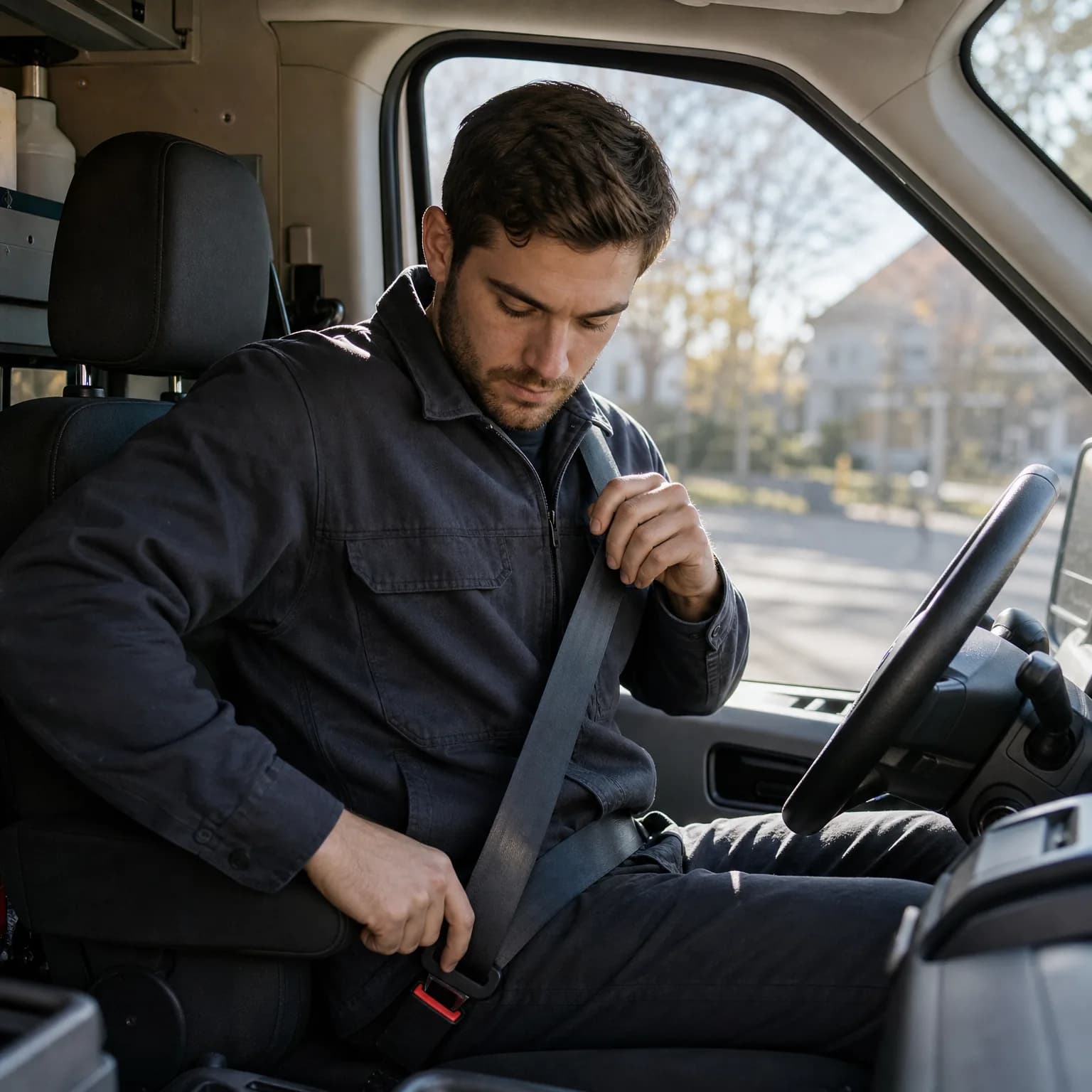
Oregon's 14.7% uninsured driver rate means you face a roughly one-in-seven chance that the driver who hits you carries no insurance. If that driver causes $50,000 in medical bills and you rejected UM coverage, you pay those bills yourself or sue the driver, who likely has no assets to collect against. UM coverage shifts that risk to your carrier.
Households insuring multiple vehicles face the same UM decision for every car on the policy. Oregon requires UM coverage at the same limits on every vehicle unless you reject it for the entire policy. You cannot reject UM coverage for one vehicle and keep it on another. The rejection applies to the policy as a whole, covering all listed vehicles and all household members who drive them.
If you carry liability limits higher than the state minimum, your UM limits must match unless you reject UM entirely or select lower UM limits in writing. You can reduce UM limits to the state minimum of $25,000 per person by requesting lower limits in writing, but you cannot remove UM coverage without a rejection form.
$25,000 / $50,000
Oregon Minimum UM Limits
Oregon requires uninsured motorist coverage at a minimum of $25,000 per person and $50,000 per accident for bodily injury. These limits match the state's minimum liability requirements and apply unless you reject UM coverage or select lower limits in writing.
Oregon Department of Motor Vehicles
UM Coverage and Multi-Vehicle Policies
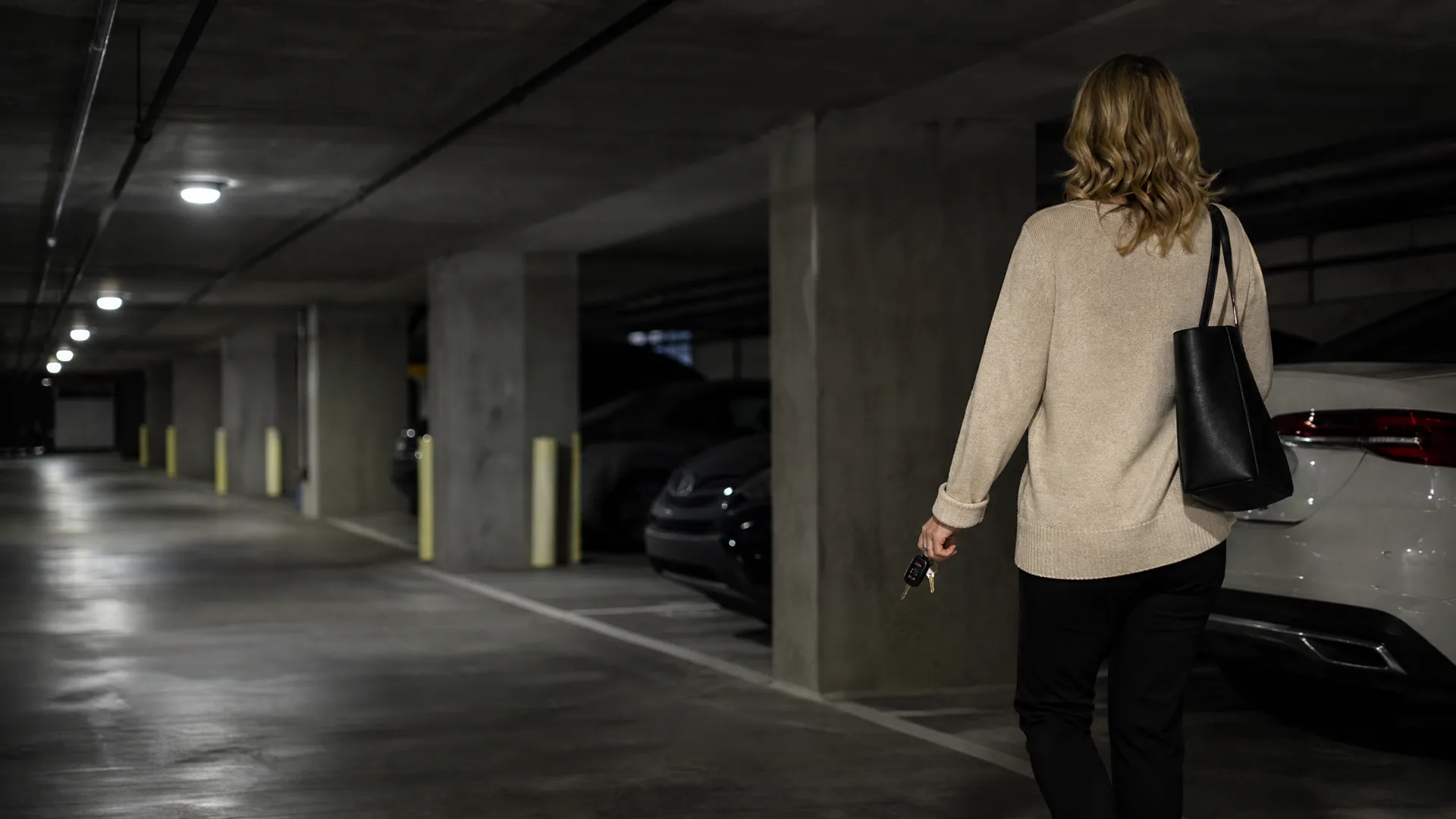
When you insure two or more vehicles on one Oregon policy, UM coverage applies to every vehicle and every household member listed on the policy. If your spouse is hit by an uninsured driver while driving your second car, your UM coverage pays their medical bills up to the policy limits. The coverage follows the policy, not the individual vehicle.
If you reject UM coverage, the rejection applies to the entire policy. You cannot keep UM coverage on one vehicle and reject it for another. Oregon law treats the rejection as a policy-level decision, not a vehicle-level one. This matters for households where one driver faces higher uninsured-driver risk due to commute route or parking location. The rejection is all-or-nothing.
Compare Carriers That Write Multi-Vehicle Policies in Oregon
Oregon carriers price UM coverage differently, and the cost difference becomes more visible when you insure multiple vehicles. Some carriers charge a flat per-vehicle fee for UM coverage; others calculate it as a percentage of your liability premium. When you're structuring coverage for two or more cars, request quotes with and without UM coverage to see the actual cost difference. The rejection form is always available, but you need the cost data to decide whether rejecting makes sense for your household.
Start by confirming your current UM limits and whether your policy includes underinsured motorist coverage as well. Oregon bundles UM and UIM coverage in most cases, so rejecting one removes both. Then compare quotes from carriers that write multi-vehicle policies in Oregon. Focus on carriers that price UM coverage transparently and offer the rejection form without friction. Your next step is to request quotes that show UM coverage as a separate line item so you can evaluate the cost against Oregon's 14.7% uninsured driver rate.
How to Reject Uninsured Motorist Coverage
Contact your carrier and request the uninsured motorist rejection form. Oregon law requires carriers to offer this form, but they are not required to send it automatically. You must ask for it. The form states that you understand UM coverage is available, that you are declining it, and that you accept the financial risk of being hit by an uninsured driver. Sign the form and return it to your carrier. The rejection takes effect on the date your carrier processes it, not the date you sign it.
Once you reject UM coverage, the rejection stays in effect for the life of the policy unless you request to add it back. You do not need to sign a new rejection form at each renewal. If you change carriers, the new carrier will include UM coverage automatically unless you submit a rejection form to them as well. The rejection does not transfer between carriers.
Get Your Free Quote
Get My Oregon Car Insurance QuoteFrequently Asked Questions
Can I remove uninsured motorist coverage from my Oregon auto policy?
Yes, but only by signing a rejection form provided by your carrier. Oregon law requires carriers to include UM coverage automatically unless you reject it in writing. Contact your carrier and request the rejection form. Once you sign and return it, UM coverage is removed from your policy.
Does Oregon require uninsured motorist coverage on every vehicle?
Oregon requires UM coverage at the policy level, not the vehicle level. If you insure multiple vehicles on one policy, UM coverage applies to all of them unless you reject it for the entire policy. You cannot reject UM coverage for one vehicle and keep it on another.
What happens if I'm hit by an uninsured driver in Oregon and I rejected UM coverage?
You pay your own medical bills and lost wages, or you sue the at-fault driver directly. If the driver has no assets, you likely recover nothing. Oregon's 14.7% uninsured driver rate means roughly one in seven drivers carries no insurance, making UM coverage a financial backstop most households keep.
Do Oregon UM coverage limits have to match my liability limits?
Yes, unless you reject UM coverage entirely or request lower limits in writing. Oregon law requires UM coverage at the same limits as your liability coverage by default. You can reduce UM limits to the state minimum of $25,000 per person and $50,000 per accident, but you cannot carry UM limits higher than your liability limits.
Does uninsured motorist coverage in Oregon pay for vehicle damage?
No. Oregon UM coverage pays only for bodily injury: medical bills, lost wages, and pain-and-suffering damages. If an uninsured driver damages your car, you file a claim under your own collision coverage if you carry it, or you sue the driver. Oregon does not require uninsured motorist property damage coverage.
If I reject UM coverage, do I need to sign a new rejection form every year?
No. The rejection stays in effect for the life of the policy unless you request to add UM coverage back. You do not sign a new rejection form at renewal. If you switch carriers, the new carrier will include UM coverage automatically unless you submit a rejection form to them as well.