
Proof of Car Insurance — Oregon
Free to compare
Three Proof Formats Oregon Accepts
Oregon law recognizes three forms of proof of insurance: a paper insurance card issued by your carrier, a digital proof displayed on your phone, and an SR-22 certificate filed electronically with the DMV. Each works in specific situations, and knowing which to use prevents delays at traffic stops, registration renewals, and DMV transactions.
Most drivers carry a paper card in the glove box and assume that covers every situation. It does not. Digital proof works for traffic stops under Oregon Revised Code 806.010, but some DMV offices require paper documentation for registration transactions. An SR-22 certificate proves coverage for drivers under a filing requirement, but it does not replace the insurance card you show an officer during a stop.
“An expired insurance card triggers a citation even when your policy renewed on time—the card date must match your current policy period.”

See What Oregon Drivers Pay for the Coverage They Need
Get My Oregon Car Insurance Quote$25,000 / $50,000 / $20,000
Oregon Minimum Liability Limits
Oregon requires $25,000 bodily injury per person, $50,000 per accident, and $20,000 property damage. Your proof of insurance must show coverage at or above these minimums.
Oregon Revised Code 806.080
What Counts as Valid Proof at a Traffic Stop
An officer who stops you for any reason will ask for your driver license, registration, and proof of insurance. Oregon law allows you to show a paper insurance card or a digital image on your phone. The digital proof must display your name, the policy number, the coverage effective dates, and the carrier name. A screenshot of your carrier's app, a photo of your card, or a PDF emailed by your agent all qualify as long as the required fields are visible.
The officer cannot cite you for no insurance if you show valid proof in either format. If your phone is dead or you cannot locate the digital file, the officer may issue a citation for failure to carry proof. You can resolve that citation by presenting proof to the court that coverage was active on the date of the stop, but the process takes time and often requires a court appearance.
Expired cards create problems even when your coverage never lapsed. If the card you show lists an expiration date that has passed, the officer may cite you for no insurance. Your carrier issues a new card when your policy renews, and you must carry the current one. Many drivers forget to swap the old card for the new one after renewal, and that oversight triggers a citation that requires proof of continuous coverage to dismiss.
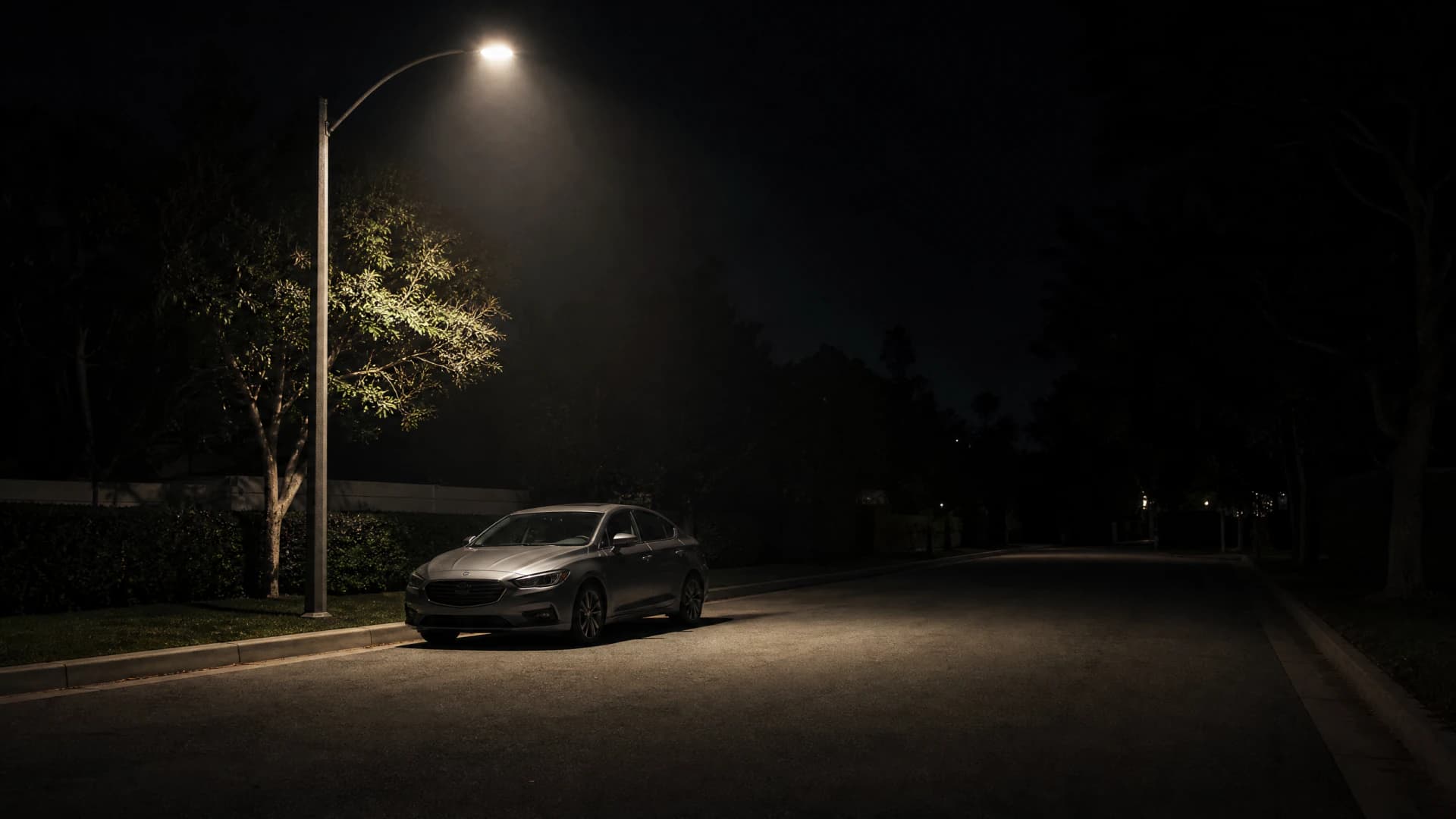
An expired insurance card triggers a no-insurance citation even when your policy renewed on time. The card date must match your current policy period.
Related Articles




SR-22 Certificate as Proof for High-Risk Drivers
Oregon requires an SR-22 certificate for drivers involved in a crash while uninsured, convicted of driving uninsured, convicted of DUII, or applying for a hardship permit. The SR-22 is a form your carrier files electronically with the DMV certifying that you carry at least the state's minimum liability coverage. The filing remains active for 3 years from the date the DMV requires it, and your carrier must notify the DMV immediately if your policy cancels or lapses.
The SR-22 certificate proves to the DMV that you meet the financial responsibility requirement, but it does not replace the insurance card you show an officer during a traffic stop. You still need a paper or digital card in your vehicle. If your policy cancels during the 3-year filing period, the DMV suspends your license until you file a new SR-22 with a different carrier.
Drivers under an SR-22 requirement who let coverage lapse face immediate suspension. The DMV does not send a warning letter. Your carrier notifies the DMV of the lapse electronically, and the suspension takes effect the same day. Reinstating your license after an SR-22 lapse requires a new SR-22 filing, payment of the $85 reinstatement fee, and proof that coverage has been continuous since the new filing date.
14.7%
Oregon Uninsured Motorist Rate
Approximately 14.7% of Oregon drivers operate without insurance. Carrying proof protects you from citations and demonstrates compliance with state law.
Insurance Research Council, 2023

What Happens When You Cannot Show Proof
If you cannot produce proof of insurance during a traffic stop, the officer will cite you for failure to carry proof under Oregon Revised Code 806.010. The citation requires a court appearance or payment of a fine. You can resolve the citation by presenting proof to the court that coverage was active on the date of the stop. The court typically dismisses the citation if you provide a letter from your carrier confirming continuous coverage, but you may still owe court fees.
Driving without insurance carries steeper penalties. If the officer determines that you have no active policy, you face a citation for driving uninsured under Oregon Revised Code 806.010. A first offense results in a fine, and the DMV suspends your license and registration until you file proof of insurance and pay the $85 reinstatement fee. A second offense within 5 years increases the fine and extends the suspension period. The DMV may also require an SR-22 filing for 3 years after reinstatement.
Keep Current Proof in Every Vehicle You Insure
Oregon households that insure two or more vehicles on one policy receive a separate insurance card for each vehicle. Each card lists the specific vehicle it covers, and you must carry the correct card in the corresponding vehicle. An officer who stops you while driving your second car will not accept the card for your first car, even though both vehicles sit on the same policy. Carriers mail updated cards when your policy renews, and you must replace the old cards in every vehicle you insure.
Digital proof simplifies multi-vehicle households because your carrier's app displays proof for every vehicle on your policy. You can pull up the correct vehicle's proof on your phone during a stop without searching through multiple cards. If you prefer paper cards, store the current card for each vehicle in its glove box and discard expired cards immediately after renewal to avoid confusion during a stop.
Compare Carriers and Confirm Proof Format
When you compare carriers for a multi-vehicle policy, confirm that the carrier files electronically with the Oregon DMV and offers a mobile app for digital proof. Electronic filing eliminates the need to bring paper proof to DMV transactions, and a mobile app ensures you can show proof during a traffic stop even if you forget your paper card. Carriers that write policies for households with multiple vehicles typically offer both features, but smaller regional carriers may not. Verify proof options before you bind coverage to avoid delays at registration renewal or during a stop.
DMV Registration and Title Transactions
Oregon operates an electronic insurance verification system that allows the DMV to confirm coverage directly with your carrier. Most major carriers file electronically, and when they do, the DMV pulls your coverage status automatically during registration transactions. You do not need to bring proof to the counter in those cases. If your carrier does not file electronically, the DMV clerk will ask for a paper insurance card or a printed copy of your digital proof. The clerk cannot accept a phone screen for non-electronically-filed policies.
If the DMV system shows a lapse or cannot verify coverage, the clerk will not complete your registration until you provide proof. Drivers who recently switched carriers or added a vehicle mid-term sometimes encounter verification delays because the new carrier has not yet updated the DMV database. Bringing a paper card or printed proof to the DMV counter resolves the issue immediately, even when your carrier files electronically.
Get Your Free Quote
Get My Oregon Car Insurance QuoteFrequently Asked Questions
Can I show proof of insurance on my phone in Oregon?
Yes. Oregon law allows you to show digital proof on your phone during a traffic stop. The digital proof must display your name, policy number, coverage dates, and carrier name. A screenshot, photo, or PDF all qualify as long as the required information is visible.
What happens if my insurance card is expired but my policy is active?
An officer may cite you for failure to carry proof even if your coverage never lapsed. Your carrier issues a new card when your policy renews, and you must carry the current card. You can resolve the citation by showing the court that coverage was continuous, but the process requires a court appearance or mailed documentation.
Do I need separate insurance cards for each vehicle on my policy?
Yes. Oregon carriers issue a separate card for each vehicle on your policy, and you must carry the correct card in each vehicle. An officer will not accept the card for your first car when you are driving your second car, even though both sit on the same policy.
Does an SR-22 certificate replace my insurance card?
No. The SR-22 is a certificate your carrier files with the DMV proving you carry minimum liability coverage. You still need a paper or digital insurance card to show an officer during a traffic stop. The SR-22 satisfies the DMV's financial responsibility requirement but does not serve as proof during enforcement.
What proof does the DMV need when I register a vehicle?
If your carrier files electronically with the Oregon DMV, the DMV verifies your coverage automatically and you do not need to bring proof. If your carrier does not file electronically, bring a paper insurance card or a printed copy of your digital proof to the DMV counter.
How long does Oregon require SR-22 filing after a DUII conviction?
Oregon requires SR-22 filing for 3 years after a DUII conviction, measured from the date the DMV imposes the requirement. Your carrier must maintain the filing for the full 3-year period, and any lapse triggers immediate license suspension.