
New Car Insurance Requirements — Oregon
Free to compare
What Happens to Insurance When You Buy a New Car in Oregon
You drove your new car off the lot, signed the financing paperwork, and now you're wondering whether you're actually insured. Oregon law gives you a 30-day grace period during which your existing auto insurance policy automatically extends to cover the newly purchased vehicle — but only if you already insure at least one car with the same carrier. If this is your first vehicle with that carrier, or if you have no active auto policy at all, the grace period does not apply. You must add the car to a policy before you drive it.
The grace period protects you at the same coverage level you carry on your existing vehicle. If your current car has liability-only coverage meeting Oregon's $25,000 per person, $50,000 per accident bodily injury and $20,000 property damage minimums, your new car receives that same liability-only protection during the 30 days. Your lender almost certainly requires comprehensive and collision coverage with a deductible cap and loss-payee endorsement. The automatic extension does not upgrade your coverage to meet loan requirements — you must contact your carrier and add the higher coverage before the grace period expires or risk a lender-forced policy at a much higher premium.
“The 30-day grace period covers you at your existing limits — not the comprehensive and collision your lender requires.”

See What Oregon Drivers Pay for the Coverage They Need
Get My Oregon Car Insurance Quote30 days
Oregon New-Vehicle Grace Period
Oregon extends your existing policy's coverage to a newly purchased vehicle for 30 days from the purchase date, provided you already insure at least one vehicle with the same carrier. The extension applies only at your current coverage level — not the higher limits your lender may require.
Oregon Department of Consumer and Business Services, Insurance Division
Oregon Minimum Coverage Requirements for a New Car
Oregon requires every registered vehicle to carry liability insurance with minimum limits of $25,000 bodily injury per person, $50,000 bodily injury per accident, and $20,000 property damage per accident. The state also mandates personal injury protection coverage and uninsured motorist coverage. These minimums apply whether the car is new or used, financed or owned outright.
A financed or leased vehicle triggers a second layer of requirements imposed by the lender or leasing company. Lenders universally require comprehensive and collision coverage to protect their collateral. They specify maximum deductibles — typically $500 or $1,000 — and require a loss-payee endorsement naming the lender as the first recipient of any claim payment. The lender's requirements sit on top of Oregon's statutory minimums. You must meet both to register the car and satisfy the loan contract.
If you fail to add the required coverage within the lender's notification window — usually 10 to 30 days from purchase — the lender will force-place a collateral protection policy on the vehicle. Force-placed insurance costs two to three times a standard policy premium, covers only the lender's interest in the car, and provides no liability protection for you. The lender adds the force-placed premium to your loan balance and you pay interest on it for the life of the loan.
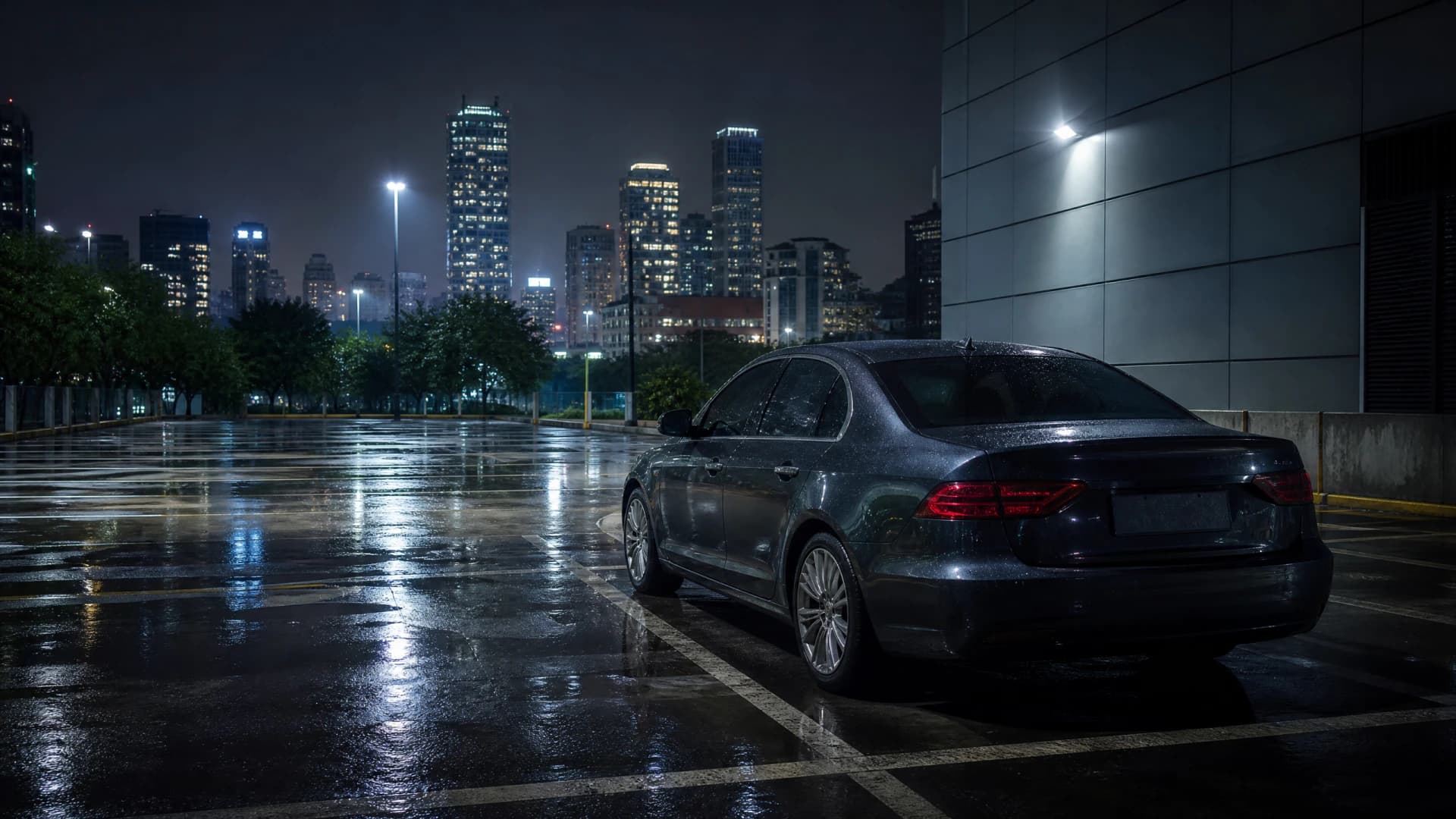
The 30-day grace period covers you at your existing policy's limits — not the comprehensive and collision coverage your lender requires. Add the new car to your policy within 10 days of purchase to avoid lender force-placement.
Related Articles


What Coverage Your Lender Requires and Why
Comprehensive coverage pays for damage to your car from events other than collision: theft, vandalism, hail, flood, fire, and animal strikes. Collision coverage pays for damage when your car hits another vehicle or object, or rolls over. Together they protect the lender's collateral regardless of fault. Oregon does not require either coverage by statute, but every auto lender in the state writes both into the loan contract as a condition of financing.
Lenders cap the deductible you may carry — typically $500 or $1,000 maximum — because a higher deductible increases the chance you will not repair minor damage and the car's value will decline below the loan balance. The loss-payee endorsement directs the carrier to pay collision and comprehensive claims jointly to you and the lender, ensuring claim proceeds go toward repair or loan payoff rather than unrelated expenses. The lender remains named loss payee until you pay off the loan and receive the title.
If you carry only Oregon's minimum liability coverage on your existing vehicle and add a financed car during the 30-day grace period, the new car receives only that liability coverage automatically. You are uninsured for comprehensive and collision claims during the grace period unless you contact the carrier and add those coverages before you drive the car off the lot. A total-loss accident during the grace period leaves you liable for the full loan balance with no collision payout.
$25,000 / $50,000 / $20,000
Oregon Minimum Liability Limits
Oregon requires $25,000 bodily injury coverage per person, $50,000 per accident, and $20,000 property damage per accident. These minimums apply to every registered vehicle. Personal injury protection and uninsured motorist coverage are also mandatory.
Oregon Revised Statutes 806.070

How Adding a Car Affects Your Multi-Vehicle Premium
Carriers apply a multi-car discount when you insure two or more vehicles on the same policy. The discount reduces the per-vehicle premium, but adding a higher-value or higher-risk vehicle increases the total household premium even after the discount. A household insuring a 10-year-old sedan and adding a new financed SUV will see a total premium increase despite the multi-car discount, because the SUV's comprehensive and collision coverage and higher liability exposure outweigh the per-vehicle savings.
Compare Carriers Before You Add the New Car
Request a revised quote from your current carrier showing the total premium with the new vehicle added. Then request quotes from at least two other carriers writing multi-vehicle policies in Oregon, providing the same vehicle details and coverage levels for all cars in your household. Compare the total annual premium across carriers, not the per-vehicle breakdown — a lower per-vehicle rate on a higher base premium often costs more than a higher per-vehicle rate on a lower base. Carriers weight vehicle age, safety features, theft rates, and garaging location differently. A carrier that rated your older car favorably may price the new car higher than a competitor.
If you financed the car, confirm each quoted policy includes the lender-required comprehensive and collision coverage, the correct deductible cap, and the loss-payee endorsement before you bind coverage. Submit the declaration page showing the lender as loss payee to the lender within their notification window — usually 10 to 30 days from purchase — to avoid force-placement. Keep a copy of the declaration page and the lender notification confirmation in your records.
How to Add a New Car to Your Oregon Policy
Contact your carrier within 10 days of the purchase date. Provide the vehicle identification number, purchase date, exact odometer reading at purchase, and the lender's name and address if financed. The carrier will generate a revised policy declaration showing the new vehicle, updated premium, and effective date. Request a loss-payee endorsement naming the lender if the car is financed — most carriers add this automatically when you provide lender information, but confirm it appears on the declaration page before you submit it to the lender.
The carrier re-rates your entire policy when you add the vehicle. A newer car with higher replacement cost, advanced safety features, or a theft-prone model shifts the combined risk profile of your household's vehicles. The multi-car discount applies to the new total premium, but the base rate reflects the updated vehicle mix. Carriers writing multi-vehicle policies in Oregon include State Farm, Geico, Progressive, Allstate, Farmers, USAA, Nationwide, and Liberty Mutual. If your current carrier quotes a sharp rate increase after adding the new car, compare the total household premium across carriers rather than moving only the new vehicle to a separate policy — splitting vehicles across policies forfeits the multi-car discount.
Get Your Free Quote
Get My Oregon Car Insurance QuoteFrequently Asked Questions
Does my Oregon car insurance automatically cover a new car I just bought?
Yes, if you already insure at least one vehicle with the same carrier. Oregon extends your existing policy to a newly purchased car for 30 days at the same coverage level you carry on your current vehicle. If your existing car has only liability coverage, the new car receives only liability coverage during the grace period — not the comprehensive and collision your lender requires.
How long do I have to add a new car to my Oregon insurance policy?
Oregon gives you 30 days from the purchase date to add the car to your policy if you already insure a vehicle with that carrier. Your lender typically requires proof of comprehensive and collision coverage within 10 to 30 days to avoid force-placement. Contact your carrier within 10 days of purchase to meet both deadlines.
What happens if I don't add my new car to my insurance within 30 days in Oregon?
After 30 days, the automatic coverage extension expires and the new car is uninsured. If the car is financed, your lender will force-place a collateral protection policy at two to three times the cost of a standard policy, covering only the lender's interest with no liability protection for you. The force-placed premium is added to your loan balance.
Do I need full coverage on a new car in Oregon?
Oregon requires only liability, personal injury protection, and uninsured motorist coverage by statute. If the car is financed or leased, your lender requires comprehensive and collision coverage as a condition of the loan. You must carry both to satisfy the lender and avoid force-placement.
Will adding a new car to my policy increase my premium in Oregon?
Yes. Adding a vehicle re-rates your entire multi-car policy based on the combined risk of all vehicles. A newer car with higher replacement cost increases the total premium even with the multi-car discount applied. Compare total household premiums across carriers before adding the car to find the lowest combined rate.
Can I insure my new car with a different company than my current car in Oregon?
Yes, but splitting vehicles across carriers forfeits the multi-car discount both policies would otherwise apply. Compare the total cost of insuring all vehicles on one policy versus separate policies. Most households pay less with all cars on the same policy.