
Clean-Record Multi-Car Insurance — Oregon
Free to compare
The Clean-Record Multi-Car Friction
You've kept every vehicle in your household violation-free. No tickets, no claims, no lapses. You're adding a second or third car and expect the multi-car discount to lower your combined premium—but the carrier quotes a rate higher than you calculated, or tells you the vehicles can't sit on the same policy. The friction isn't your driving record. It's policy structure.
Oregon law requires every registered vehicle to carry at least $25,000 per person and $50,000 per accident in bodily injury liability, plus $20,000 in property damage liability. Personal injury protection and uninsured motorist coverage are mandatory. Those minimums apply to each vehicle you own, whether you insure them separately or together. The multi-car discount—advertised as automatic savings when you add vehicles—depends on requirements most carriers don't surface until you're mid-quote: same policy, same garaging address, and sometimes same titleholder. When your household structure doesn't fit that template, the discount disappears or shrinks, even with a spotless record.
“A vehicle titled to a household member not named on your policy often disqualifies that car from the multi-car discount, even when both drivers share clean records.”

See What Oregon Drivers Pay for the Coverage They Need
Get My Oregon Car Insurance Quote$1,084.54
Oregon Average Annual Auto Premium
Oregon drivers paid an average of $1,084.54 per insured vehicle in 2023, one of the lowest state averages nationally. Multi-car households often pay less per vehicle when structured correctly, but household complexity can erase that advantage.
NAIC Auto Insurance Database Report 2023
What the Multi-Car Discount Actually Requires
The multi-car discount is not automatic when you own multiple vehicles. It applies when every vehicle sits on the same policy, issued to the same named insured, and typically garaged at the same address. A second car titled to your spouse, an adult child, or a household member living at a different address often fails one of those tests.
Oregon does not regulate the multi-car discount—carriers set their own rules. Some require every vehicle to share a primary garaging address. Others allow separate garaging locations within the same household but require all drivers to be listed on one policy. A few carriers block the discount entirely when a vehicle is titled to someone not listed as the primary policyholder, even if that person lives in the same household.
The result: a household with two clean-record drivers and two vehicles can receive different multi-car treatment depending on how titles are held, where the cars are garaged overnight, and which carrier writes the policy. The advertised discount—often described as 10% to 25% per vehicle—assumes a structure many households don't match.
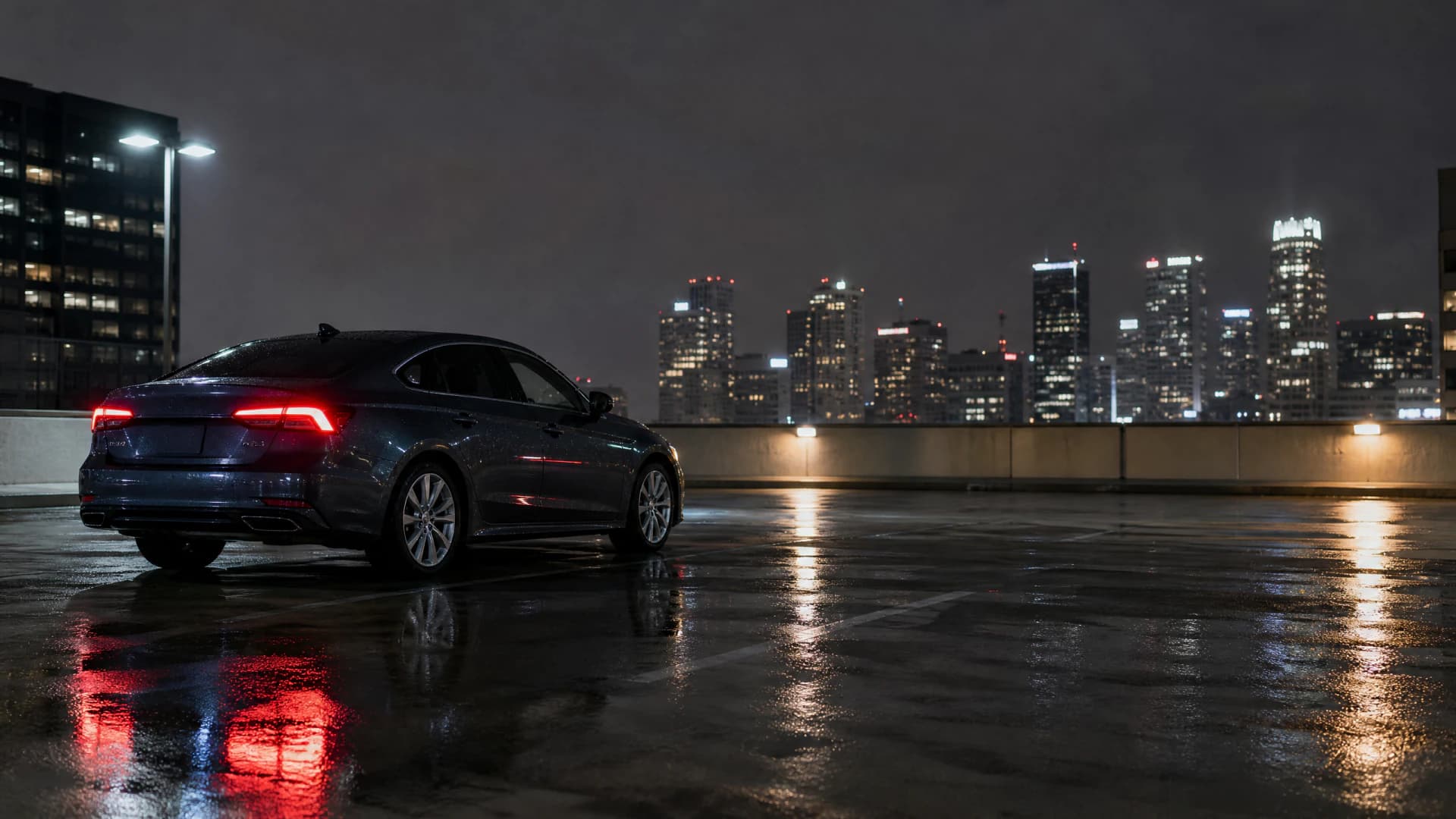
A vehicle titled to a household member not named on your policy often disqualifies that car from the multi-car discount, even when both drivers live at the same address and share clean records.





When Combining Policies Costs More Than Keeping Them Separate
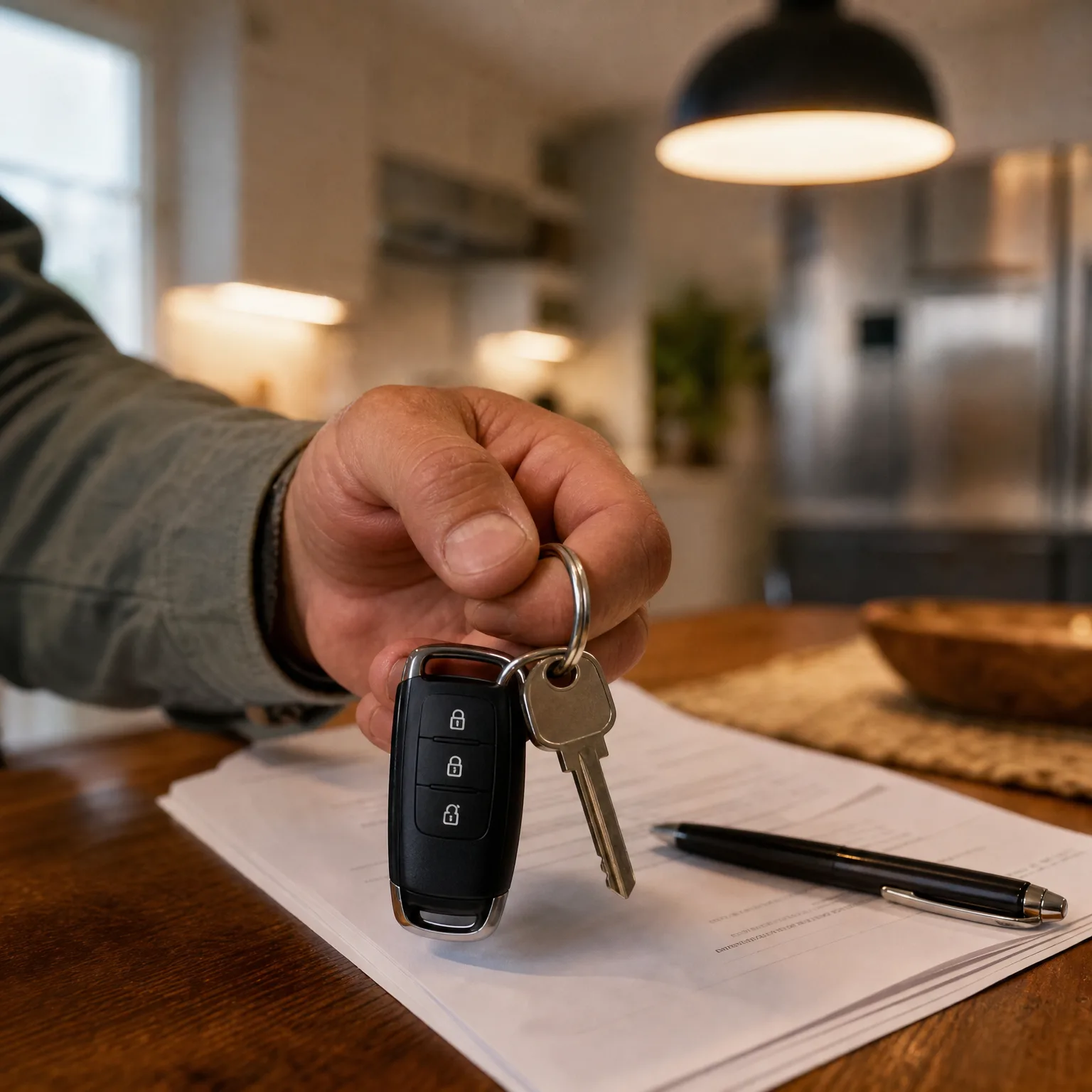
Combining two existing policies into one multi-car policy does not always lower the total premium. When one driver qualifies for a preferred-tier rate and the other does not—because of age, vehicle type, or credit—merging the policies can pull the preferred driver into a higher rating tier and erase the savings the multi-car discount would have delivered.
This happens most often when a household adds a young driver with their own vehicle, or when two adults with different insurance histories marry and try to combine policies. The carrier re-rates the entire household at the higher-risk driver's tier, and the multi-car discount—applied after the base rate is set—doesn't offset the tier increase. In those cases, keeping separate policies costs less.
Oregon allows carriers to use credit-based insurance scores, age, and vehicle characteristics in rating. A clean record protects you from surcharges, but it doesn't override tier placement. Before combining policies, get quotes for both structures: one combined policy with the multi-car discount, and two separate policies each optimized for its driver. The combined policy wins only when the discount exceeds the tier penalty.
25 carriers
Oregon Standard-Tier Auto Carriers
At least 25 carriers write standard and preferred auto insurance in Oregon, including State Farm, GEICO, Progressive, Allstate, Farmers, USAA, and Nationwide. Multi-car discount rules vary by carrier; comparing three to five quotes reveals which structure fits your household best.
Oregon auto insurance carrier roster
Adding a Vehicle Mid-Term and How It Re-Rates the Policy
When you add a vehicle to an existing Oregon policy mid-term, the carrier re-rates the entire policy—not just the new car. The multi-car discount applies to all vehicles, but so does any rating change triggered by the new vehicle's characteristics: its make, model, garaging location, and primary driver. A household adding a second car often sees a per-vehicle rate drop from the multi-car discount but a total premium increase larger than expected because the new vehicle's base rate is higher than the first car's, or because the new car's primary driver changes the household's overall risk profile.
Most Oregon carriers provide a grace period—typically 14 to 30 days—to add a newly purchased or leased vehicle to your existing policy without a lapse in coverage. You must notify the carrier within that window. Missing it can result in the new vehicle being uninsured from the purchase date, and a claim on that vehicle would be denied. The grace period does not freeze your premium; the carrier will backdate the coverage and bill you for the additional premium from the purchase date forward.
Compare Carriers That Write Your Household Structure
Not every Oregon carrier writes multi-car policies the same way. Some apply the multi-car discount only when every vehicle is titled to the primary policyholder. Others allow joint titles or household-member titles and still apply the discount. A few carriers offer tiered multi-car discounts—larger savings when you add a third or fourth vehicle. Comparing quotes from carriers that explicitly write your household structure—same garaging address or separate, same titleholder or split—reveals which carrier's rules align with your situation and deliver the lowest combined rate.
Request quotes that specify the multi-car discount amount per vehicle, the total premium with and without the discount, and any restrictions on garaging location or title. If a carrier cannot provide a combined-policy quote because of your household structure, get separate-policy quotes from that carrier and compare the total to the combined quote from a carrier that does allow it. The goal is the lowest defensible total premium across all vehicles, not the largest advertised discount percentage.
How to Structure Coverage Across Multiple Vehicles
Start by confirming who holds title to each vehicle and where each car is garaged overnight. If every vehicle is titled to the same person or married couple and garaged at the same address, most carriers will apply the multi-car discount automatically. If titles are split—one car titled to you, one to your adult child or a co-owner outside the household—ask the carrier whether both vehicles can sit on one policy and whether the discount applies to both. Some carriers allow it; others require separate policies.
When vehicles are garaged at different addresses—a college student's car at a dorm, a work vehicle parked at a job site, or a second home—most carriers still allow one policy but may reduce or eliminate the multi-car discount for the vehicle garaged elsewhere. A few carriers treat separate garaging addresses as separate households and require separate policies. Oregon does not mandate how carriers handle this; you'll need to compare carrier-specific rules and quote both combined and separate policies to see which structure costs less.
Get Your Free Quote
Get My Oregon Car Insurance QuoteFrequently Asked Questions
Does Oregon require the same liability limits on every vehicle I own?
Yes. Oregon requires every registered vehicle to carry at least $25,000 per person and $50,000 per accident in bodily injury liability, plus $20,000 in property damage liability. Personal injury protection and uninsured motorist coverage are also mandatory. These minimums apply to each vehicle whether you insure them on one policy or separately.
Can I get the multi-car discount if my spouse and I title our cars separately?
It depends on the carrier. Most Oregon carriers allow the multi-car discount when both vehicles are titled to a married couple and garaged at the same address, even if titles are held individually. Some carriers require the primary policyholder to be listed on every title. Compare quotes from multiple carriers to see which structure your household qualifies for.
Will adding a second car to my policy always lower my per-vehicle rate?
Not always. The multi-car discount typically reduces the per-vehicle rate, but the total premium can still increase if the new vehicle has a higher base rate, is garaged at a different location, or is driven by someone who changes the household's risk tier. Request a quote showing the total premium with and without the new vehicle to see the actual cost impact.
What happens if I buy a car and don't add it to my policy within the grace period?
Most Oregon carriers provide a 14- to 30-day grace period to add a newly purchased vehicle to your existing policy. If you miss that window, the new vehicle is uninsured from the purchase date, and any claim on that vehicle would be denied. The carrier will not backdate coverage beyond the grace period.
Is it ever cheaper to keep two separate policies instead of combining them?
Yes. When one driver qualifies for a preferred rate and the other does not—because of age, vehicle type, or credit—combining policies can pull the preferred driver into a higher tier and erase the multi-car discount savings. Get quotes for both a combined policy and two separate policies to see which structure costs less for your household.
Do I need to list every household member as a driver on my multi-car policy?
Oregon carriers typically require you to list every licensed household member as either a rated driver or an excluded driver. If a household member drives one of your vehicles and is not listed, the carrier can deny a claim involving that driver. Excluding a driver removes them from coverage entirely; they cannot drive any vehicle on the policy.